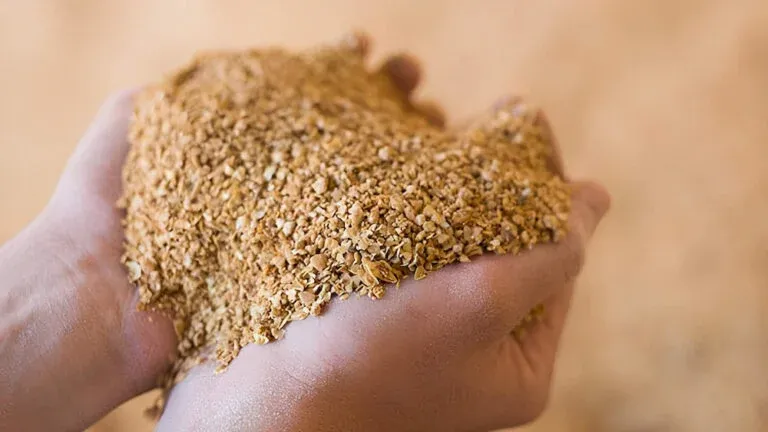

Amino acid fertilizer production involves more than converting protein into plant nutrients. The choice of raw material and processing method can affect amino acid quality, production cost, crop safety, and the performance of the final product.
Manufacturers generally use animal- or plant-based protein sources. Animal-derived materials can be cost-effective and rich in protein, but may require harsh processing and can result in higher salt, chloride and odor levels. Plant-based materials such as soybean meal, alfalfa and seaweed are often processed under milder conditions and can provide good crop tolerance.
Three main production methods are highlighted: acid hydrolysis, enzymatic hydrolysis and microbial fermentation. Acid hydrolysis is fast and economical but may damage sensitive amino acids and increase salt and chloride loads. Enzymatic hydrolysis uses proteolytic enzymes under mild conditions, helping preserve L-amino acids and bioactive peptides, although production costs are higher. Microbial fermentation uses beneficial microorganisms and can provide amino acids, peptides and other bioactive compounds, but requires longer processing and careful quality control.
Ultimately, manufacturers should select a process based on target market, budget, raw materials, crop safety requirements and product goals.
Read more: https://vanpolder.com/blog/crop-nutrition/amino-acid-fertilizer-production/




























Sign in to leave a comment.