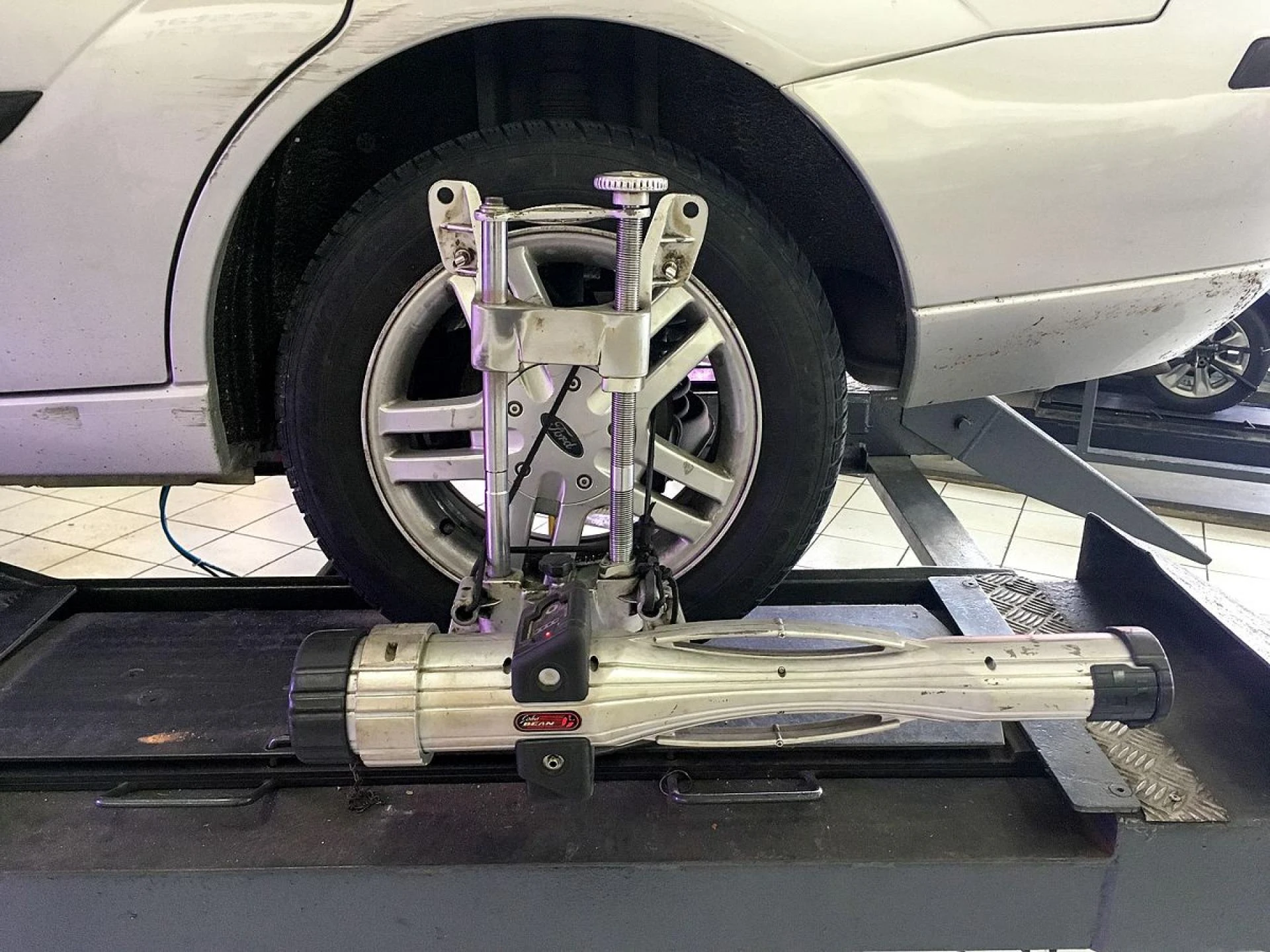

A car wheel alignment machine is a specialized tool used to measure and adjust the angles of a vehicle's wheels relative to each other and the vehicle's frame.
The primary angles that a wheel alignment machine measures and adjusts are:
Camber: Camber refers to the inward or outward tilt of the wheel when viewed from the front of the vehicle. Proper camber ensures that the tire wears evenly across its width and maintains optimal road contact.Toe: Toe alignment concerns the direction in the wheels point toward each other when viewed from above. If the wheels point toward each other, it's called "toe-in," and if they point away from each other, it's called "toe-out." Correct toe alignment ensures that the tires run parallel to each other and prevents uneven tire wear.Caster: Caster is the angle of the steering axis when viewed from the side of the vehicle. Proper caster alignment affects the vehicle's stability and steering returnability.Thrust Angle: Thrust angle alignment ensures that the rear wheels are parallel to the front wheels and that they track in the same direction. This prevents the vehicle from drifting or pulling to one side.Importance of Car Wheel Alignment:
Safety: Proper wheel alignment enhances vehicle stability, control, and handling, reducing the risk of accidents, especially during emergency maneuvers.Tire Longevity: Correct alignment ensures even tire wear, prolonging the life of your tires and saving you money on replacements.Fuel Efficiency: Misaligned wheels can lead to increased rolling resistance, reducing fuel efficiency. Proper alignment helps optimize fuel economy.Handling and Comfort: A well-aligned vehicle provides a smoother, more comfortable ride and more predictable handling.How a Car Wheel Alignment Machine Works:Vehicle Positioning: The first step is positioning the vehicle on a lift or alignment rack so that all four wheels are accessible.Sensor Attachment: The next step is attaching sensors or targets to the vehicle's wheels and suspension components. These sensors measure the angles of the wheels and transmit the data to the alignment machine.Alignment Machine Setup: The alignment machine is set up to receive and interpret the data from the sensors. It displays the current alignment angles and provides recommendations for adjustments.Alignment Adjustments: Based on the readings, technicians make adjustments to the vehicle's suspension components. This may involve adjusting the tie rods, control arms, or other relevant parts to bring the alignment angles within the manufacturer's specifications.Verification: After making adjustments, the alignment machine is used to verify that the alignment angles now meet the specified values.Printout and Documentation: A final alignment report is generated, showing the initial and final alignment angles. This report serves as a record of the work performed and helps demonstrate the vehicle's alignment status to the owner.Types of Car Wheel Alignment Machines:
There are various types of car wheel alignment machines available, ranging from basic manual systems to sophisticated computerized models. Some of the common types include:
Four-Wheel Alignment Machines: These machines measure and adjust all four wheels simultaneously, providing the most comprehensive alignment assessment.Front-End Alignment Machines: These machines focus on the front wheels and are often used for vehicles with non-adjustable rear suspensions.Computerized Alignment Machines: Advanced models use computer technology to provide precise measurements and alignment adjustments.










Sign in to leave a comment.