
In today's fast-changing global economy, it's important for everyone in various industries to stay updated on market trends. Hot-rolled coil (HRC) is a vital material in the steel industry, used in making things like cars and buildings. Understanding HRC prices is key for many people involved, like manufacturers, traders, and investors, as it affects their costs and profits. This blog aims to give a clear overview of HRC prices today, looking at what causes prices to go up or down, current trends, differences in prices between regions, and what experts predict for the future. By learning about HRC prices, readers can make better decisions in the steel market.
Understanding Hot-Rolled Coil (HRC) Prices
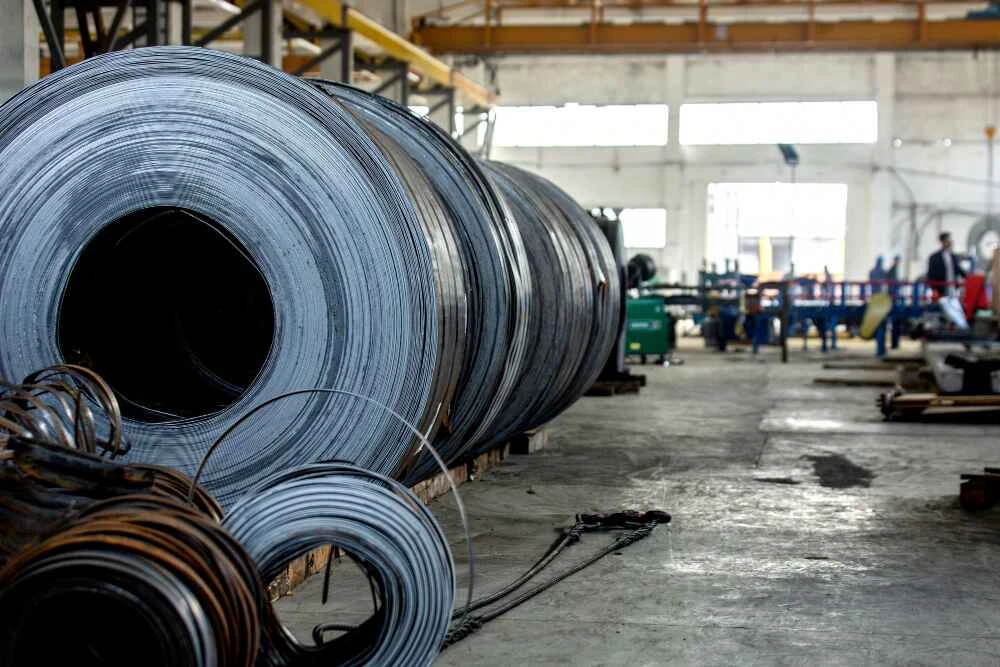
Hot-rolled coils (HRC) are a type of sheet product that looks like a wound steel strip. They are made at hot-rolling mills and are used in many industries. These include construction, machine industry, car manufacturing, and pipe production for general, construction, oil, gas, and special purposes. HRC is also used as a work-piece for making cold-rolled products.
Manufacturing Process of HRC
The production of HRC involves several steps:
Heating the slab: Steel slabs are heated above their recrystallization temperature in a reheating furnace, usually at 1,100°C to 1,200°C.Hydraulic descaling: Scale is removed from the surface of the feedstock using a hydraulic descaler.Rolling: The heated slab is passed through a series of rolling mills, which reduce its thickness and transform it into a long strip or coil.Monitoring cooling: The rolled strip is monitored for cooling to ensure uniform mechanical characteristics and low internal stresses.Winding: The finished product is wound onto downcoilers.Finishing: The coils are cut, accepted, packaged, labeled, and prepared for use.Applications of HRC in Various Industries
HRC is used in many industries due to its versatility and adaptability:
Construction: HRC is used to make structural sections for buildings, bridges, and other infrastructure projects due to its strength and durability.Automotive: HRC is used to manufacture car parts such as frames, wheels, and other structural components because it can withstand heavy loads and resist wear and tear.Pipe and tube making: HRC is used to produce large-diameter pipes for oil, gas, and other commodities, as well as process pipes, heat supply networks, water lines, and sewage lines.Industrial equipment manufacturing: HRC is used to produce components for heavy engineering and machine tool engineering, such as machine tool bodies and parts, mining equipment, roads, and handling equipment.Re-rolling: A significant portion of HRC production is used as a feedstock for cold-rolled steel products, which require narrow dimensional tolerance limits, plasticity, good surface quality, and the absence of rust and other flaws.Factors Influencing HRC Prices
Hot-rolled coil (HRC) prices are influenced by various factors. These include market demand and supply dynamics, raw material prices, economic indicators, and trade policies and tariffs. Understanding these factors is crucial for people in the steel industry, as they directly affect production costs, pricing strategies, and overall profitability.
Market Demand and Supply Dynamics
The balance between market demand and supply plays a critical role in determining HRC prices. When demand for HRC increases, perhaps due to a rise in construction projects or car manufacturing, prices tend to go up. Conversely, when demand weakens, prices usually drop. Supply factors also play a significant role. An oversupply of HRC in the market, often due to overproduction or reduced demand, can lead to price decreases. Additionally, supply chain disruptions, such as those caused by natural disasters or transportation issues, can limit the availability of HRC and drive prices up.
Raw Material Prices
Raw material costs, particularly iron ore and scrap metal prices, are fundamental in determining HRC prices. Iron ore is a primary ingredient in steel production, and its price can fluctuate based on mining output, geopolitical factors, and global demand. Similarly, scrap metal prices are influenced by recycling rates, availability, and demand. When the prices of these raw materials increase, the cost of producing HRC also rises, leading to higher HRC prices. Conversely, a decrease in raw material prices can lower production costs and, subsequently, HRC prices.
Economic Indicators
Economic indicators such as gross domestic product (GDP) growth, inflation rates, and interest rates significantly influence the steel industry and HRC prices. During periods of economic growth, increased industrial activity and infrastructure development boost demand for steel products, including HRC, pushing prices higher. Inflation can also impact HRC prices by increasing the cost of inputs and production. Interest rates affect borrowing costs for companies. Lower interest rates can stimulate investment in infrastructure and manufacturing, driving up demand for HRC. Conversely, higher interest rates can slow economic activity and reduce demand for steel.
Trade Policies and Tariffs
Trade policies and tariffs are critical factors affecting HRC prices. Governments may impose tariffs on imported steel to protect domestic industries from foreign competition. These tariffs can raise the cost of imported HRC, leading to higher domestic prices. For instance, tariffs on steel imports in the United States have led to increased domestic HRC prices by limiting the availability of cheaper foreign steel. Conversely, tariffs on exported steel can reduce demand in international markets, potentially leading to lower HRC prices domestically. Trade agreements and policies also play a role. Favorable trade agreements can enhance market access and stabilize prices, while restrictive policies can create market volatility.
Other Influencing Factors
Several other factors can influence HRC prices, including energy costs, technological advancements, and environmental regulations. Energy costs, such as electricity and fuel, are significant components of steel production costs. Fluctuations in energy prices can directly impact HRC prices. Technological advancements in steel production can improve efficiency and reduce costs, potentially lowering HRC prices. Environmental regulations, aimed at reducing carbon emissions and pollution, can increase production costs for steel manufacturers, influencing HRC prices.
HRC prices are affected by a mix of market demand and supply dynamics, raw material prices, economic indicators, and trade policies and tariffs. People in the steel industry must closely monitor these factors to make informed decisions about production, pricing, and strategic planning. Understanding these influences helps stakeholders navigate market changes and optimize their operations for profitability and growth.
Current Trends in HRC Prices
Hot-rolled coils (HRC) are a type of sheet product widely used in various industries. The prices of HRC have been volatile in recent years, influenced by a combination of market demand and supply dynamics, raw material prices, economic indicators, and trade policies.
Historical Trends in HRC Prices
Historical trends in HRC prices show significant fluctuations. From 2015 to 2020, HRC prices ranged from roughly $500/ton to $1,000/ton. However, since the pandemic, prices have been more volatile, with significant spikes and drops.
Factors Contributing to Recent Price Changes
Several factors contribute to recent price changes in HRC:
Market Demand and Supply Dynamics: Weak demand and an excess of supply over demand have led to price decreases.Raw Material Prices: Fluctuations in raw material prices, such as iron ore and scrap metal, affect HRC prices.Economic Indicators: Economic indicators such as GDP growth, inflation rates, and interest rates influence the steel industry and, subsequently, HRC prices.Trade Policies and Tariffs: Trade policies and tariffs, such as those in the United States, impact HRC imports and exports, leading to price fluctuations.Regional Variances in HRC Prices
Regional variances in HRC prices are significant. For example, prices in the United States are generally higher than those in Europe, which are higher than those in China. These differences are justified by the presence of customs duties, higher in the United States and lower in Europe.
Comparison of HRC Prices in Different Regions
A comparison of HRC prices in different regions reveals significant disparities:
United States: Prices have fallen from $800-850/mt to $760-805/mt as of May 24, 2024.Europe: Prices have remained stable, with quotations ranging from €620-650 per tonne Ex-Works.China: Prices have been stable since the end of April, remaining at $550-555 per tonne.Analysis of Regional Market Factors Affecting Prices
Regional market factors affecting HRC prices include:
Demand and Supply Dynamics: Weak demand and an excess of supply over demand in the United States and Europe have led to price decreases.Raw Material Prices: Fluctuations in raw material prices, such as iron ore and scrap metal, affect global HRC prices.Economic Indicators: Economic indicators such as GDP growth, inflation rates, and interest rates influence the steel industry and, subsequently, HRC prices globally.Trade Policies and Tariffs: Trade policies and tariffs, such as those in the United States, impact HRC imports and exports, leading to price fluctuations globally.Implications of Regional Price Disparities for Global Trade
Regional price disparities in HRC prices have significant implications for global trade:
Trade Flows: Price disparities can influence trade flows, with countries with lower prices potentially gaining a competitive advantage.Investment and Production: Regional price disparities can impact investment and production decisions in the steel industry, as companies may choose to locate production facilities in regions with lower costs.Global Economic Stability: Regional price disparities can contribute to global economic instability, as they can lead to trade imbalances and economic shocks.HRC prices are influenced by a combination of market demand and supply dynamics, raw material prices, economic indicators, and trade policies. Regional variances in HRC prices are significant, with prices in the United States generally higher than those in Europe, which are higher than those in China. Understanding these factors is crucial for businesses operating in the steel industry to make informed decisions about production and pricing.
Conclusion
To sum up, HRC prices are affected by many things, from how much people want to buy to what's happening around the world. This blog has shown that keeping an eye on these factors is important for businesses. By understanding HRC prices and what drives them, people can adjust their plans to take advantage of good opportunities and handle challenges. Looking ahead, it's clear that HRC prices will keep changing, but with a good grasp of the basics and what's coming up, businesses can set themselves up for success in the steel industry.
To Get Real Time Price of HRC visit: https://pricevision.ai/



























Sign in to leave a comment.