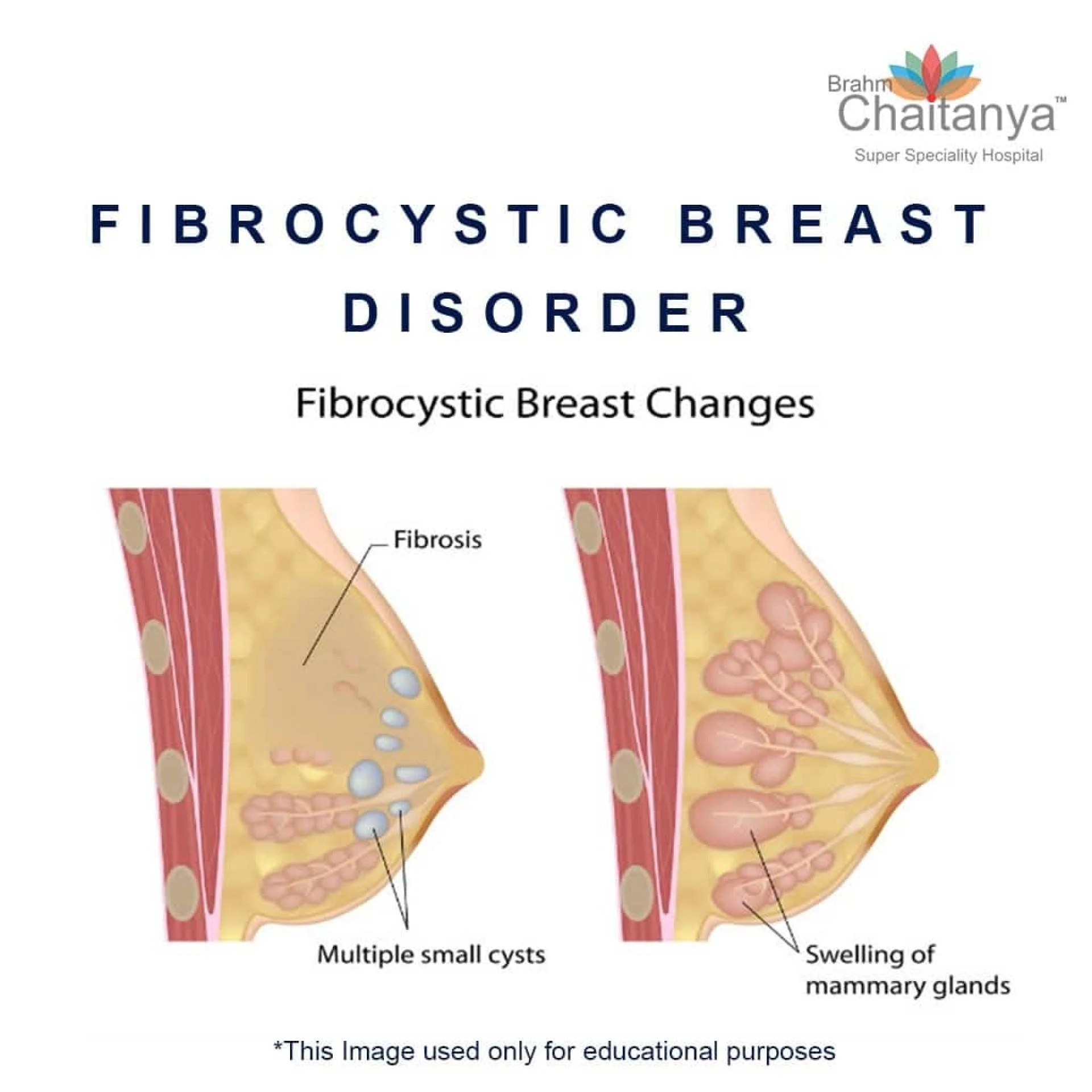

Fibrocystic breast disease is a state in which women experience lumpy breasts. Lumpy or fibrocystic breasts aren’t dangerous. Due to its excessive occurrence, this phenomenon is termed a fibrocystic condition, not a disease.
Fibrocystic breast changes are common and occur in more than 60% of women. Although it is considered benign, it may cause pain and tenderness sometimes, especially in the upper area of the breast. The conditions get extreme right before the menstrual cycle, and the pain and lumpiness increase.
Symptoms of FBDThe women with fibrocystic conditions have reported experiencing the following symptoms:
Swelling in one or both breasts, especially in the upper part of the breast.Pain and discomfort in one or both breasts.Unsimilar changes in both breasts.Increased pain before periods.Discharge of dense, green or brown, non-bloody liquid from one or both nipples.The intensity of pain may or may not be the same in both breasts. The lumps and the tissues may differ in size, and the size of both breasts may quibble.
All the conditions mentioned above are normal and don’t require the immediate attention of a doctor or a surgeon. However, the symptoms of breast cancer can hide under the signs of FBD. Women with this condition should seek their doctors immediately if there’s ever a sign of blood coming out from their nipples. This can be one of the symptoms of breast cancer.
Who Gets FBD?Fibrocystic breasts are a naturally occurring condition; any woman can get it. Mainly, these conditions occur in the aged between 35 – 55. However, these conditions either stops or gets improved after menopause.
FBD & Breast CancerFibrocystic breasts don’t intensify the chances of getting breast cancer. Still, it does make it hard for the doctors to scrutinize the breast changes and govern if the lumps are cancerous or not.
The National Institute of Cancer suggests that women aged 50 or more should get a mammogram every 24 months.
DiagnosisThe Fibrocystic breast condition can be diagnosed by examining the breast physically. Doctors usually recommend a mammogram or an MRI for a better understanding of the case and accurate results.
If some unusual cysts are found in the ultrasound report, the doctor will order a biopsy to check if those strange cysts are cancerous.
The biopsy is usually performed by extracting a small part from the lumpy tissues using the needle aspiration process. The tissues are then examined by the doctors to confirm the results.
Treatment of Fibrocystic Breast DiseaseFBD is a benign condition, and most women don’t feel the necessity of getting special medical treatment. Instead, they use home remedies and special diets to overcome the pain and distress.
Treatment by Home Remedies
FBD can be treated at home by using the following home remedies:
Wearing a tight, firm bra.Wearing a sports bra while sleeping and during the physical exerciseQuitting smokingLimiting the intake of caffeineUsing a heating pad or warm cushions to relieve the pain.Quitting hormone therapy.Avoiding fatty foods.Treatment by Vitamins & Supplements
Vitamins and special diets can help eliminate the lumps and reduce discomfort. It’s better to consult with a doctor about consuming these medicine alternatives.
Taking Primrose Oil as a supplement to increase fatty acids in your body. Balanced fatty acid cells can help in reducing pain and discomfort.
Vitamin E intake has proven to relieve breast pain during the periods. Research shows that taking Vitamin E twice a day can reduce breast pain and softens the lumps. Taking 500 mg tablets of Vitamin E twice can help women with FBD getting comfort and relief.










Sign in to leave a comment.