
Introduction
In a world where digital technology reigns supreme, the ability to convert analog signals into digital form is essential. Analog-to-digital conversion (ADC) plays a crucial role in various applications, from audio and video recording to medical devices and industrial automation. In this blog post, we will explore the techniques used for analog-to-digital conversion and the wide range of applications it encompasses. Let's dive in and uncover the inner workings of ADC and its significance in modern technology.
Analog-to-Digital Conversion Techniques
ADC techniques are diverse and cater to different requirements based on factors such as speed, accuracy, and cost. Here are some common techniques used for analog-to-digital conversion:
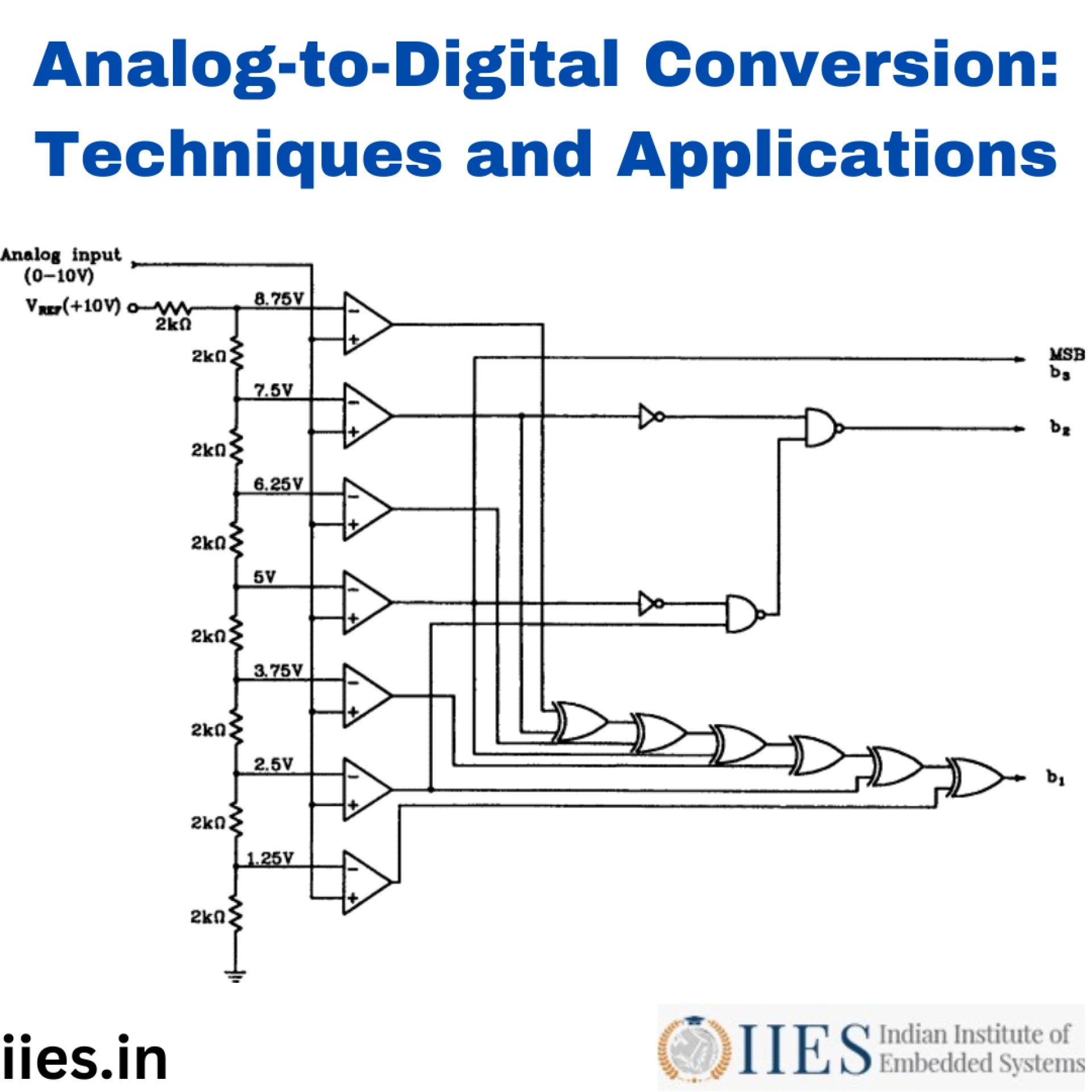
Ramp: The ramp ADC technique involves comparing a linearly increasing analog voltage (ramp) with the input voltage. By measuring the time it takes for the ramp to match the input voltage, the analog signal is converted into a digital value.Flash: Flash ADC is an extremely fast conversion technique that relies on a network of voltage dividers and comparators. Each comparator compares the input voltage with a unique voltage reference, generating a binary output based on the comparison results.Sigma-Delta: Sigma-delta ADC is known for its high resolution and accuracy. It oversamples the analog signal at a very high rate, followed by a process of noise shaping and decimation to extract the digital output.Successive Approximation: This technique involves iteratively approximating the analog input by comparing it with binary-weighted voltage references. Each bit of the digital output is determined by a comparison, starting from the most significant bit (MSB) to the least significant bit (LSB).Understanding these techniques provides a foundation for designing ADC systems and choosing the right approach based on specific requirements.
Analog-to-Digital Conversion Applications
ADC finds applications in a multitude of fields, enabling the efficient processing of analog signals in digital systems. Let's explore some of the prominent applications:
Audio and Video Recording: ADC is a crucial component in devices such as microphones, cameras, and audio recorders. By converting analog sound and visuals into digital format, it allows for easier storage, editing, and transmission of media.Medical Devices: In the healthcare industry, accurate measurement and analysis of analog signals are vital. ADC is used in devices like ECG machines, blood pressure monitors, and anesthesia systems to convert physiological signals into digital data for diagnostic and monitoring purposes.Industrial Automation: ADC plays a significant role in industrial automation systems, converting analog sensor readings (e.g., temperature, pressure, and level) into digital values for further processing and control. This facilitates efficient and precise monitoring of critical parameters in manufacturing and process control.Telecommunications: Analog-to-digital conversion is crucial for efficient transmission and reception of signals in telecommunications networks. Voice signals are converted into digital form to be transmitted over digital networks, ensuring clear and reliable communication.These are just a few examples of ADC applications that demonstrate its widespread use in various industries. The versatility and reliability of ADC continue to fuel advancements in digital technology.
Call-to-Action
Are you eager to dive deeper into the world of programming and embedded systems? Explore the Indian Institute of Embedded Systems (IIES) for comprehensive courses and workshops. Whether you're a beginner or an experienced professional, IIES offers a range of programs that cater to your individual needs. Take the next step towards mastering programming and advancing your career in the ever-evolving field of technology.
Conclusion
Analog-to-digital conversion is a critical process that enables the seamless integration of analog signals into digital systems. By exploring various ADC techniques and applications, we have gained a deeper understanding of their importance in modern technology. From audio and video recording to medical devices and industrial automation, ADC plays a pivotal role in multiple industries, shaping the way we perceive and interact with the world. As technology continues to evolve, the relevance and significance of analog-to-digital conversion will only continue to grow. Let us embrace the power of ADC and unlock the boundless possibilities it offers.



























Sign in to leave a comment.