
The Annapurna Circuit Trek is one of Nepal’s most iconic and diverse trekking routes, offering a mesmerizing journey through the heart of the Himalayas. Renowned for its stunning landscapes, rich cultural heritage, and varied ecosystems, this trek is a must-do for avid trekkers and nature enthusiasts. Here’s a comprehensive guide to help you prepare for this unforgettable adventure.
Overview of the Annapurna Circuit Trek
The Annapurna Circuit Trek, often referred to as the Annapurna Round, is a classic trek that circles the Annapurna Massif, traversing a range of altitudes and terrains. The circuit is approximately 160 to 230 kilometers (100 to 145 miles) long, depending on the exact route taken, and typically takes 15 to 21 days to complete. The trek offers a unique blend of high-altitude mountain scenery, lush valleys, traditional villages, and diverse flora and fauna.
Key Highlights
Diverse Landscapes: The trek showcases a variety of landscapes, from subtropical forests and terraced fields to arid deserts and high-altitude deserts.
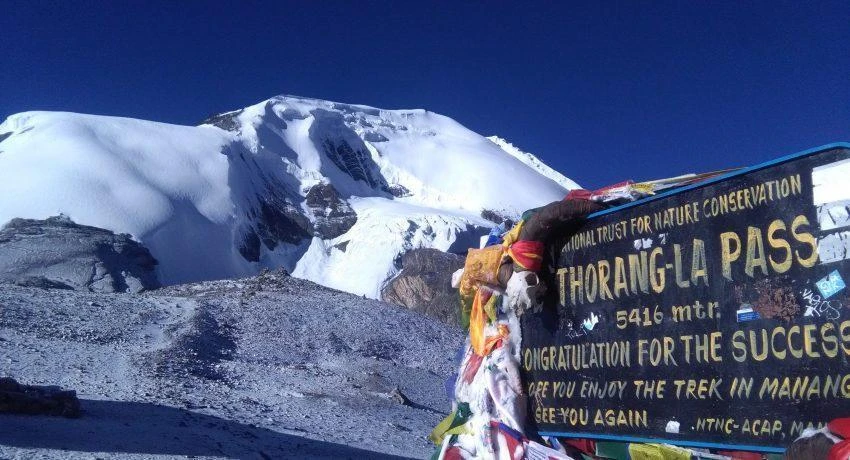
Thorong La Pass: At 5,416 meters (17,769 feet), Thorong La is one of the highest trekking passes in the world and a major highlight of the circuit.
Cultural Immersion: Experience the rich cultures of the Gurung, Magar, and Thakali communities as you pass through traditional villages and monasteries.
Stunning Views: Enjoy panoramic views of some of the world’s highest peaks, including Annapurna, Dhaulagiri, Machapuchare, and Manaslu.
Hot Springs: Relax in natural hot springs at Tatopani, a perfect way to soothe your muscles after days of trekking.
Detailed Itinerary
Day 1: Arrival in Kathmandu Arrive in Kathmandu and prepare for your trek. Use this time to acquire permits, meet your trekking guide, and explore the vibrant city.
Day 2: Drive to Besishahar and Trek to Bhulbhule Drive from Kathmandu to Besishahar, then start your trek to Bhulbhule. This is the beginning of your journey into the Annapurna region.
Day 3: Trek to Jagat Trek from Bhulbhule to Jagat, passing through charming villages and lush terraced fields.
Day 4: Trek to Dharapani Continue your trek from Jagat to Dharapani. As you ascend, you’ll begin to notice the changing landscape and increasing altitude.
Day 5: Trek to Chame Trek from Dharapani to Chame, the administrative center of the Manang District. The area offers stunning views of the surrounding peaks.
Day 6: Trek to Pisang Move from Chame to Pisang, where you can enjoy impressive views of the Annapurna range and explore the village.
Day 7: Trek to Manang Trek from Pisang to Manang, a beautiful village known for its unique culture and stunning views. This is also a key acclimatization stop.
Day 8: Acclimatization Day in Manang Take a day to acclimatize in Manang. Explore the surrounding area, visit the monastery, and enjoy the panoramic views.
Day 9: Trek to Yak Kharka Move from Manang to Yak Kharka, crossing the alpine meadows and enjoying the changing landscapes.
Day 10: Trek to Thorong Phedi Trek from Yak Kharka to Thorong Phedi, the base camp for the Thorong La Pass. Prepare for the challenging ascent the next day.
Day 11: Cross Thorong La Pass and Trek to Muktinath Rise early and cross Thorong La Pass, the highest point of the trek. Descend to Muktinath, a sacred site for both Hindus and Buddhists.
Day 12: Trek to Jomsom Trek from Muktinath to Jomsom, passing through the Mustang region’s unique landscapes and ancient caves.
Day 13: Fly to Pokhara Fly from Jomsom to Pokhara, where you can relax and enjoy the scenic beauty of the lakeside city.
Day 14: Explore Pokhara Take a day to explore Pokhara, visit the Peace Pagoda, or enjoy a boat ride on Phewa Lake.
Day 15: Drive or Fly Back to Kathmandu Return to Kathmandu by either flying or driving. Use this time to relax, shop for souvenirs, or explore more of the city.
Day 16: Departure Depart from Kathmandu, carrying with you the memories of an unforgettable trek.
Tips for Trekking the Annapurna Circuit
Permits and Fees: Obtain the Annapurna Conservation Area Permit (ACAP) and the TIMS (Trekkers’ Information Management System) card before starting the trek.
Acclimatization: Allow time for proper acclimatization to avoid altitude sickness. Follow a gradual ascent and stay hydrated.
Packing List: Pack layers of clothing suitable for varying weather conditions, including cold temperatures at higher altitudes. Don’t forget trekking poles, a good pair of boots, and a sleeping bag.
Health and Safety: Be aware of the symptoms of altitude sickness and be prepared to turn back if necessary. Make sure to have a basic first aid kit and any personal medications.
Respect Local Culture: Be mindful of local customs and traditions, especially when visiting religious sites and villages.
Conclusion
The Annapurna Circuit Trek offers a once-in-a-lifetime experience for those seeking adventure and natural beauty. With its diverse landscapes, cultural richness, and the challenge of crossing Thorong La Pass, the trek provides an unforgettable journey through one of Nepal’s most scenic regions. Whether you’re a seasoned trekker or an enthusiastic traveler, the Annapurna Circuit is sure to leave you with lasting memories and a deep appreciation for the majestic Himalayas.






















Sign in to leave a comment.