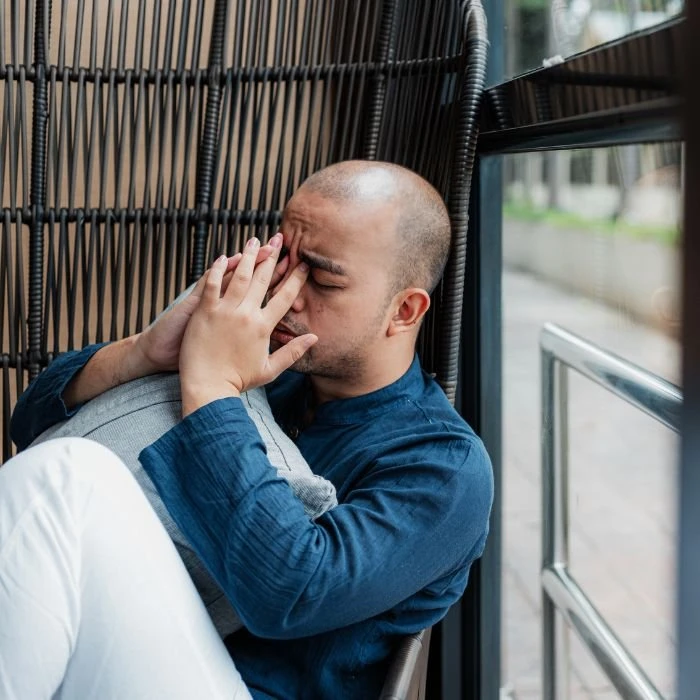

Introduction
Anxiety attacks and panic attacks are two very different things. They affect people in different ways, and they can happen for different reasons. If you're not sure which type of attack you are experiencing, it's important to know how to tell the difference between them so that you can get treatment for your condition quickly and effectively.
Anxiety Attack
Anxiety attacks are a sudden rush of intense fear or apprehension that can last anywhere from a few minutes to several hours. Anxiety attacks often cause chest pain, heart palpitations, shortness of breath and dizziness. They may also cause sweating and trembling.
Anxiety is an uncomfortable feeling caused by worrying about something in the future; it's different from fear which occurs when we confront things that may happen right now. Anxiety disorders are characterised by persistent worry about something (e.g., work performance) that causes physical symptoms such as irritability and restlessness; these feelings remain even after the cause has been removed or reduced in intensity.[1][2]
Panic Attack
A panic attack is a sudden rush of intense fear and anxiety, often with physical symptoms. Panic attacks can occur in people who have had previous episodes of having panic attacks.
People who experience panic attacks may feel:
Trembling or shakingShortness of breath or difficulty breathingNausea or abdominal pain (the feeling you've eaten something bad)Treatment
If you have an anxiety disorder, it's important to seek treatment as soon as possible. Your doctor will likely prescribe medication and/or psychotherapy.
Medication
There are a number of different types of medications that can be used for treating anxiety disorders. Your doctor will likely prescribe one or more types based on what works best for you:
Benzodiazepines (such as Xanax and Valium) — These drugs act on specific areas in the brain called GABA receptors, which help reduce anxiety by calm you down and slow down your heart rate. They're often used when other treatments don't work well enough or at all; however, they may not be safe in some cases due to side effects such as drowsiness or memory loss if taken too frequently over long periods of time (more than three months). Some people may also experience constipation while taking these drugs regularly over time due to their effect on gut function.* Antidepressants — Antidepressants such as Celexa*or Lexapro*are approved by the U.S Food & Drug Administration (FDA) specifically designed to not only treat depression but also other related disorders like OCD too!anxiety attack
An anxiety attack is a sudden and intense episode of fear, which can range from being mildly uncomfortable to extremely upsetting. Anxiety attacks can be very frightening and upsetting, causing you to feel like you are going crazy. They usually happen at night or when you wake up in the morning, but they can also happen during the day.
Anxiety attacks are different from panic attacks because they don't involve chest pain or sweating; however, both disorders share similar symptoms:
Shortness of breath (dyspnea)Palpitations (heart racing)SweatingIf this sounds familiar then it may mean that your body's fight-or-flight response has triggered an anxiety attack!
panic attack
Panic attacks are different from anxiety attacks.
Anxiety attacks can be very intense and scary, but they don't last for as long as a panic attack does. If you have ever experienced an anxiety attack, then you know exactly how scary it can be! Panic attacks can last anywhere from 5 minutes up to an hour or more; however, some people have reported having them even while they were asleep (which makes sense because stress is often the cause).
Panic attacks happen at any time of day—even when you're sleeping! They occur when your body feels overwhelmed by stress and takes over your mind so that everything becomes blurry except for what's directly in front of your face like someone yelling at you or something similar happening right now right now right now!!
anxiety attack v/s panic attack
Anxiety attacks and panic attacks are two different things. They're both mental health issues, but they're different.
Anxiety is a mental health issue, while panic is a mental health issue too. It's important to understand that these two disorders are not the same thing!
Treatment options for anxiety and panic attacks
Treatments for anxiety and panic attacks include medication, cognitive behavioural therapy (CBT), self-help techniques, exercise and yoga. Some of these treatments include acupuncture, acupressure and massage therapy.[1]
There are also breathing exercises that can help you manage your anxiety:
How to know if you are having an anxiety or panic attack.
If you are having a panic attack, you may feel that your heart is pounding more than usual and that your breathing rate is fast and shallow. You might also feel like you can't catch your breath, as though the air around you has been sucked out of the room.If you are having an anxiety attack, there will be no physical symptoms present; however, anxiety can still be very painful in its own way.Do you have anxiety or just nerves?
If you're suffering from anxiety, it's important to know that the symptoms of an anxiety attack are similar to those of a panic attack. However, there are some key differences between these two: Panic attacks tend to occur in response to an extreme emotional or physical stressor that triggers intense fear or worry within seconds or minutes. These types of events can include being on the verge of death; being trapped in an elevator; being unable to breathe due to smoke inhalation; or receiving bad news about one's health (for example: having cancer).
An anxiety attack lasts longer than a panic attack and may involve more severe symptoms like chest pain, shortness of breath and dizziness.Conclusion
If you have been suffering from anxiety or panic attacks, it's important to know the difference between them. Anxiety attacks are often caused by extreme emotions and thoughts that can be controlled with proper treatment. If your symptoms persist into the next day, seek medical attention immediately.
0







Sign in to leave a comment.