

API Penetration Testing Services for SaaS Companies
As technology continues to evolve, Software as a Service (SaaS) companies have become a pivotal part of the business landscape. SaaS offers convenience, scalability, and cost-effectiveness. However, with the increased reliance on Application Programming Interfaces (APIs) to connect various software components, security vulnerabilities have also risen. This is where API penetration testing services step in to safeguard the sensitive data and maintain the integrity of SaaS applications.
In the interconnected digital landscape, APIs act as bridges, enabling seamless communication between different software applications. For SaaS companies, APIs play a crucial role in delivering their services efficiently. However, the exposure of APIs to the internet exposes them to potential security threats. This is where API penetration testing services come into play.
Understanding API Penetration Testing
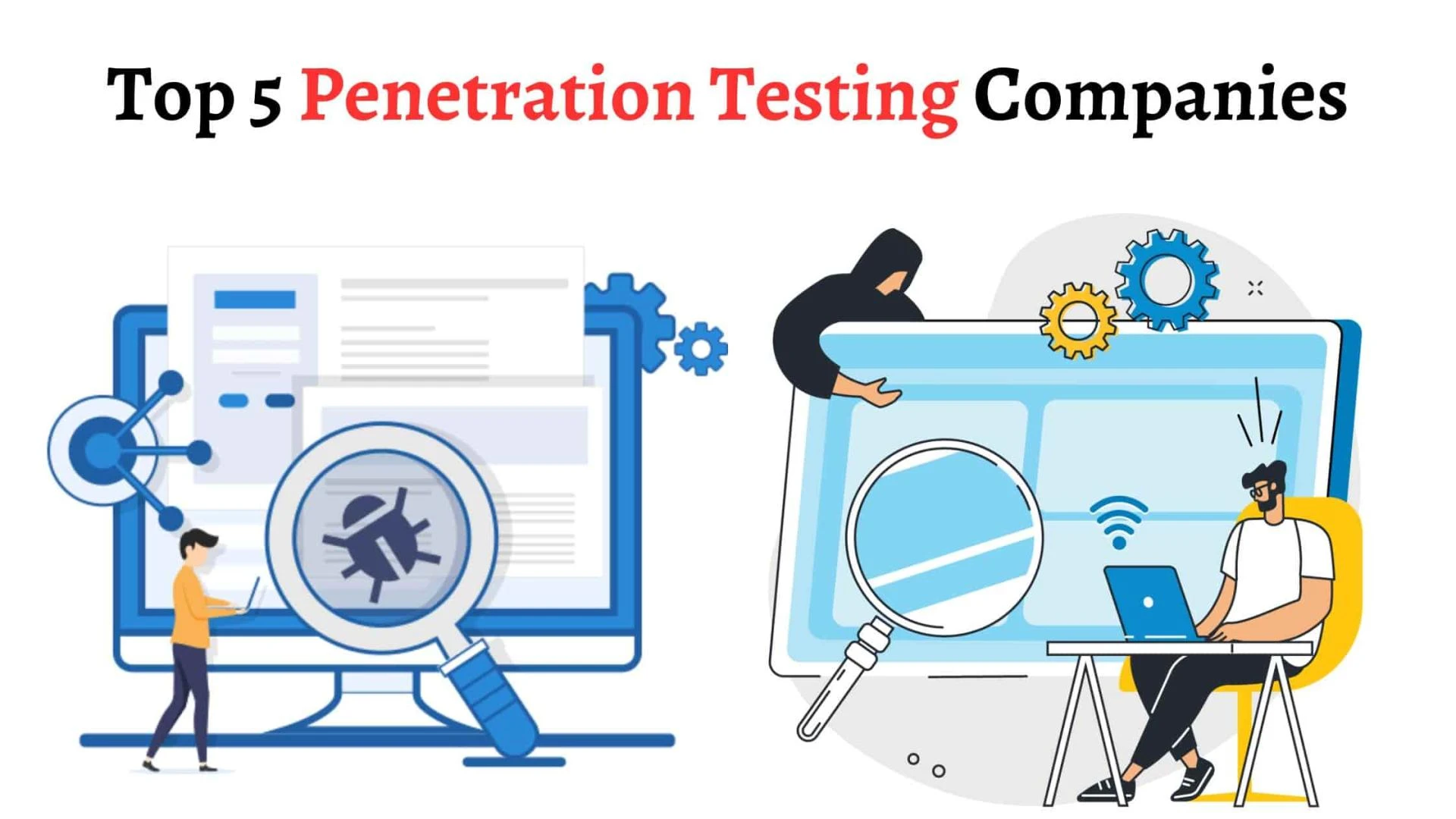
API penetration testing involves a systematic evaluation of the security posture of an application's APIs. It aims to identify vulnerabilities and weaknesses that could be exploited by malicious actors. By simulating real-world attack scenarios, security experts can uncover potential entry points and vulnerabilities in the API architecture.
Importance for SaaS Companies
SaaS companies handle vast amounts of sensitive user data, making them attractive targets for cyberattacks. Breaches can lead to severe consequences, including data leaks, financial loss, and reputational damage. API penetration testing helps SaaS companies proactively identify and address security vulnerabilities, minimizing the risk of breaches.
Common API Vulnerabilities
APIs are susceptible to a range of vulnerabilities, including SQL injection, cross-site scripting (XSS), authentication flaws, and improper error handling. API penetration testing aims to uncover these vulnerabilities by imitating hacker attacks, revealing potential weak points.
The API Penetration Testing Process
API penetration testing typically follows a well-defined process:
Pre-engagement: Defining the scope, goals, and limitations of the test.Reconnaissance: Gathering information about the target APIs.Threat Modeling: Potential risks and attack vectors must be identified.Vulnerability Analysis: Scanning for vulnerabilities and weaknesses.Exploitation: Attempting to exploit identified vulnerabilities.Post-Exploitation: Assessing the extent of the breach if exploited.Reporting: Documenting findings and suggesting remediation steps.Tools and Technologies
API penetration testers employ various tools such as Burp Suite, Postman, and OWASP ZAP. These tools aid in scanning for vulnerabilities, intercepting requests, and analyzing responses to identify security flaws.
Benefits of Regular Testing
Regular API penetration testing offers several advantages:
Early Threat Detection: Identifying vulnerabilities before they can be exploited.Regulatory Compliance: Meeting security requirements for industry regulations.Protecting Reputation: Preventing data breaches and maintaining trust.Cost Savings: Avoiding financial losses due to security incidents.Selecting the Right Penetration Testing Provider
Choosing a reputable penetration testing provider is crucial. Look for expertise, experience, and a track record of successful security assessments. The provider should tailor their testing approach to the unique needs of SaaS applications.
Challenges in API Penetration Testing
API testing can be complex due to dynamic inputs, diverse authorization mechanisms, and the need for comprehensive coverage. Overcoming these challenges requires skilled testers and a deep understanding of the application's architecture.
Ensuring Comprehensive Security
API security is a multi-layered endeavor. Beyond penetration testing, SaaS companies should implement strong authentication mechanisms, access controls, and encryption protocols to ensure comprehensive protection.
Best Practices for SaaS API Security
Implement these best practices to enhance API security:
Role-Based Access Control: Limit access based on user roles.Input Validation: Validate and sanitize user inputs thoroughly.Rate Limiting: Prevent excessive requests from a single source.Regular Updates: Keep APIs and dependencies up-to-date.Case Studies: Successful Security Implementations
Explore real-world examples of SaaS companies that improved their security posture through API penetration testing. These cases underscore the value of proactive security measures.
Future of API Penetration Testing
As technology evolves, API penetration testing will become even more essential. The rise of IoT, cloud computing, and interconnected systems will demand stronger API security practices.
Conclusion
API penetration testing is a vital component of ensuring the security and reliability of SaaS applications. By identifying vulnerabilities and addressing 0them proactively, SaaS companies can protect sensitive data and maintain their users' trust.









Sign in to leave a comment.