Architect SEO


Architect SEO Questions We Get Asked Most, Answered Plainly

Most architects we talk to about architect seo arrive with the same handful of questions, usually after a bad experience with a marketing provider or a lot of confusing reading online. So instead of an essay, here are those questions, in roughly the order people ask them, with short honest answers.
What is architect SEO, in one sentence?
Making sure that when someone searches for something connected to your kind of work, whether in Google or an AI tool like ChatGPT, your practice has a page that answers them and a reason for them to trust it.
That's it. Everything else is detail.
Is it different from normal SEO?
Yes, because the buying journey is different. A homeowner choosing an architect might research for weeks or months, mostly through search, before they email anyone. They search for planning rules, costs, timelines and what an architect actually does. A generic local business template, built for people who need a plumber this afternoon, doesn't fit that.
The techniques overlap. The priorities don't.
How much does it cost?
It depends, and anyone who quotes a single number without looking at your site is guessing. What moves the price is how competitive your area is, the state your website is in now, how many pages need writing, and how much tracking you want.
A small practice in a quieter area with a decent site needs much less than a firm covering half of London with a site that hasn't been touched in years. If a quote doesn't tell you what you get each month, ask until it does.
How long before we see results?
Longer than anyone enjoys. Early months are mostly groundwork you can't see: fixing the technical side, cleaning up your Google Business Profile, restructuring project pages. With Extension Architecture, a London practice we've worked with since 2016, the first three months were exactly that order: technical clean-up, then content and structure, then authority and AI visibility.
Realistically, think months rather than weeks, with the first meaningful movement somewhere around the third or fourth. Be suspicious of any promise faster than that.
Do we need a blog?
Not necessarily. A blog full of generic posts about design trends rarely does much. What tends to help more is a small number of useful pages: project pages that explain the property, the planning route and the outcome, and a few local pages covering what homeowners in your boroughs can usually do.
If you do write articles, answer real questions people ask before they hire an architect. Skip anything you'd be embarrassed to send to a client.
Do we need an SEO agency?
Not always. Plenty of practices handle the basics themselves: tidy their Google profile, rewrite their best project pages, ask for reviews. That can go a long way.
An SEO agency starts to make sense when you don't have the time, when the site has technical problems you can't fix, or when you've done the basics and want to scale. We run one, so weigh that, but our advice is the same either way: don't hire anyone who can't explain, in plain language, what they'll do in your first three months.
What about our Google Business Profile?
For a local practice it often matters more than the website. It's where people check your reviews, your photos and whether you look active. Keep the details correct, add real project photos, respond to reviews, and post when there's something worth saying. An abandoned profile tells people something, even if you didn't mean it to.
Can ChatGPT or Google's AI recommend us?
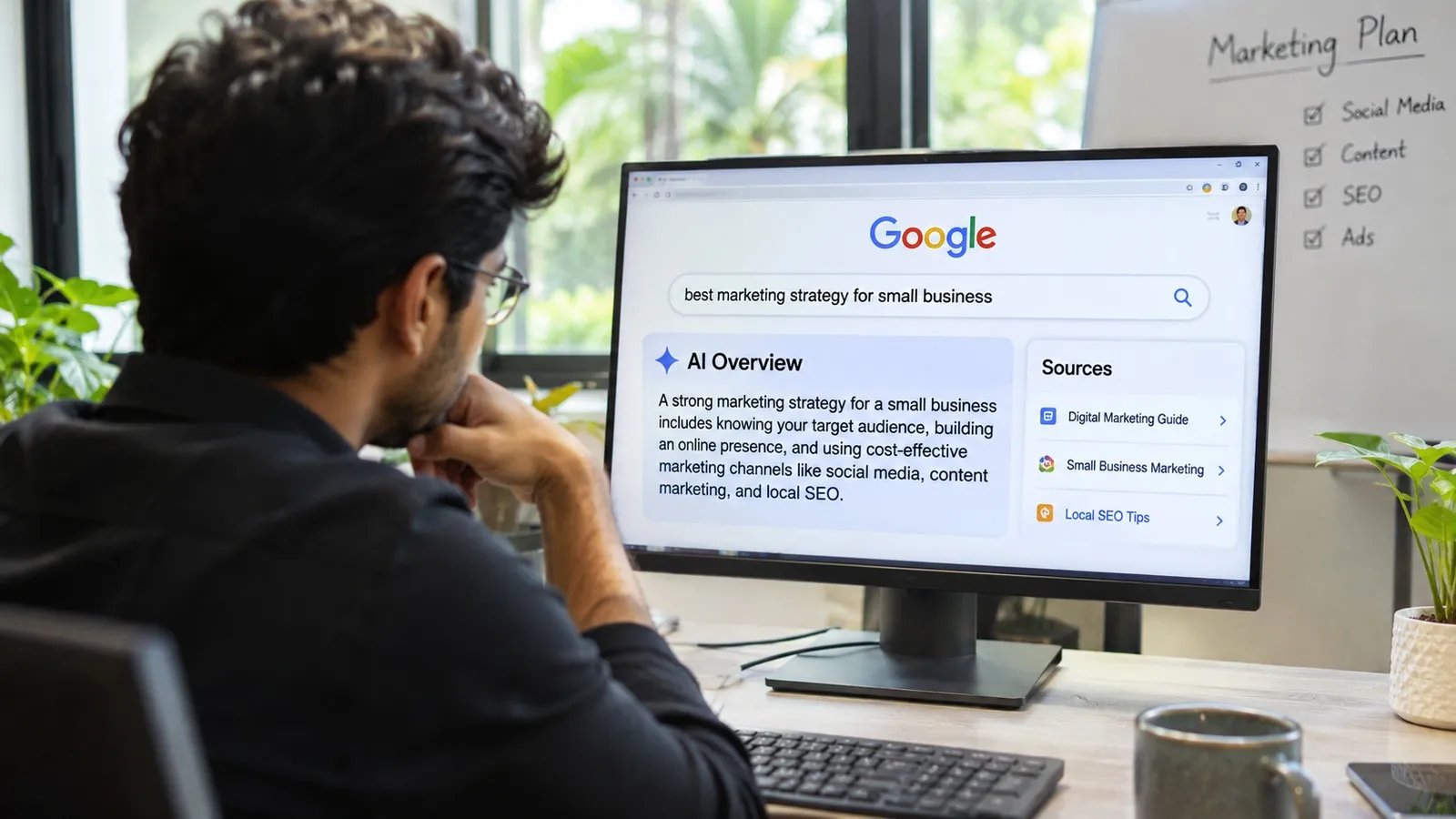
They can, and increasingly do. More homeowners now ask an AI tool something like "who should I use for a rear extension in this borough" and get a short list back. Whether you're on it depends on the same things that help in normal search: consistent business information, clear project pages, and content that answers questions directly.
You can check in five minutes. Ask a few versions of the question a client would ask and see what comes back. If you're missing, or the description is wrong, that tells you what to fix.
Most of our work comes from referrals. Is SEO still worth it?
Possibly less urgently, but often yes. Referrals usually check you online before they call. They look at your website and your reviews, and if both look thin, some quietly drop out. In that case your site's job is reassurance, and the work is lighter: good project pages, current reviews, accurate details.
It's also worth knowing where your last ten paid projects really came from. Ask your clients. The answer is sometimes surprising.
How do we know it's working?
Enquiries, not just traffic. A report full of rankings and visitor counts can look healthy while the phone stays silent. What matters is how many serious enquiries arrive, where they came from, and which pages they landed on.
One simple habit helps: add a "how did you find us?" line to your contact form and ask on the first call. After a few months you'll have your own data, independent of anyone's report.
What should we do first?
Open three of your project pages and ask whether a stranger could tell, from the text alone, what the property was, where it was and what the planning situation looked like. If not, start there.







Sign in to leave a comment.