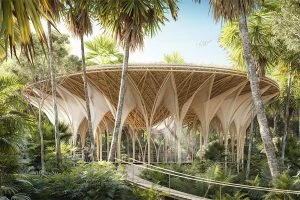

Robotics has been used in almost every field of science, medicine, and now architecture. Robotic arms are used in the fields of design and architecture along with building and construction. With the new digital era architects are now using large-scale robotic fabrication to use these robots to perform a variety of automated processes which can be done quickly and more efficiently than humans. These processes can often include welding, drilling, material handling, painting, and more.
How does robotic fabrication help in architecture?
These digital fabrication robots called Rob Units build structures by placing certain pieces on top of building materials such as bricks or wood in a range of patterns. These codes, parameters, and algorithms are written by the architects and fed into the design, the result, intricately detailed and high-end installations.
One of the biggest advantages that come with robotic fabrication is precision and consistency. Normally these elements can be miscalculated by the designers or have certain errors in construction. However, with robotic fabrication, you can even create a skyscraper with combined digital programsthat rely on exact repetition so that there are no errors.
This can help designers create anything from homes to freight containers and even buildings and offices directly at construction sites. The robots can even be used to adapt to construction tolerances to correct course.
The Bottom Line
Using robots for designing homes and buildings opens a world of possibilities beyond smaller installations and structures. These robots can be used alongside human builders and can take on dangerous tasks to build new structures safely and precisely. This will not only save a lot of time, labor, and investment in the long run but can create a range of impressive high-rise buildings in the future. It also lessens the number of accidents that human builders face onsite.










Sign in to leave a comment.