

Every new technology comes with the promise of making things easier for mankind. Particularly, the 4th industrial revolution has the promise of increased productivity and making humans better. But, looking at the trends keenly, this could remain a pipeline dream. Whereas the earlier concerns of some workers were that technology is taking over their jobs, it seems AI and robotics are becoming the new bosses. They aren’t just replacing human workers, the brilliant machines are monitoring humans, creating a more gruesome, stressful and risky work environment.
You may have heard tech leaders and the political class at conference speeches and public rallies hinting at a foreseeable automation crisis. A situation where robots or intelligent machines will slowly begin to replace human workers, and then take over their jobs completely. What they don’t tell you is that this is already happening. Companies are using intelligent algorithms to manage workers. The challenge is that these machines are overworking humans causing burnout, poor health, and injuries.
Take for instance HotSOS, a hotel housekeeping service by Amadeus. Like any other piece of technology, this software has been designed to make the work of housekeepers convenient by keeping track of which room they need to attend to. Yes, they no longer have to worry about misplacing paper schedules, but according to hotel cleaners at Philadelphia Marriot Downtown, the app has deprived them autonomy and made their work more tedious. It also monitors their speed at work and if they work slowly, they can have their pay cut or be fired.
In cases where a worker could plan their work depending on which floor the rooms are located or which rooms have guests and must be prioritized, they can’t do that anymore. The roles are now assigned on-demand through the software. The outcome is that a worker might crisscross different floors in a day and still end up cleaning occupied rooms at the last minute. Such a cleaner will not only be physically tired but also bear the brunt of customers who expect to find their rooms already cleaned when they return from their day’s errands.
This trend is in almost every industry. Even the software developers themselves are being managed by their creation, having the computer clicks and scrolls counted every second. Machines are listening to attendants at call centers, instructing them what they should say and the right way to say it, besides keeping them on their toes all day. So, we may have been waiting for the arrival of self-driving trucks, but robots are already here. They are serving as the foreman, middle managers, and supervisors.
For businesses, it’s undeniable that this kind of technology has a lot to offer. Consider the hotel communication app mentioned above. It enables managers to detect inefficiencies among workers that they couldn’t detect. First of all, human managers can’t be everywhere at the same time. But with this app, it’s easy to know where each cleaner is and what they are doing throughout their time at work. So, workers can hardly steal the company’s time by making long or frequent personal calls and lingering at the coffee machine. For businesses delivering items, the systems can also detect new and better routes that may increase the rate of delivery in a day.
Workers saw these inefficiencies as their opportunities to enjoy autonomy and some breathing space during work. Now, automation optimizes them out and the work can only feel intense, strenuous, and risky. So, today’s number one fear of most workers is not that technology will leave them jobless, it’s that it will create robots that will become their bosses.
One of the businesses where the effects of automating management are evident is Amazon. From the warehouse to delivery trucks, a great percentage of management is controlled by software. Computer programs determine when workers work, what they do, and how fast they do it. In case they fall behind, they can also get automatically fired. For instance, in the warehouses, the system assigns each worker the number of items they must process per hour, includes frequent reminders about their progress and the system can fire them if they don’t meet the set figures. Delivery trucks have a set number of packages, predetermined routes and all this is monitored through software.
What does it look like working under the watch of intelligent machines? In their quest to optimize sluggishness out of their processes, businesses are creating more pressure, burnout, injury, and even death. In 2019, various news outlets in America, including Buzzfeed, and ProPublica published stories about Amazon drivers, who in a rush to meet the one-day delivery target, had swayed other vehicles off the road and killed pedestrians. In another investigative story by The Atlantic, workers from different warehouses in the U.S were reported to have
sustained injuries related to stress. Besides knee pain and backaches, workers are also prone to emotional stress and poor work-life balance.
In 2014, Amazon
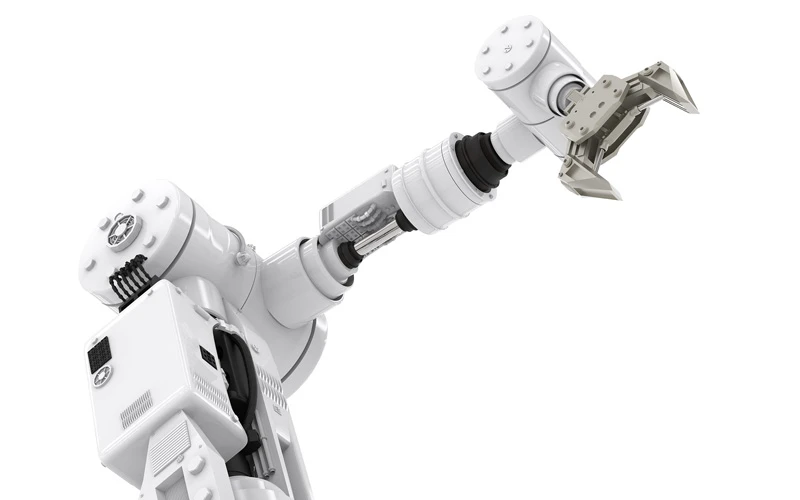
began using robots to carry shelves. Instead of having humans walking around the warehouse to find goods, the machine tool manipulator did this task. But the problem isn’t the fact that it stole some people’s jobs – workers had to compete with a machine in offloading the shelves. The machines did an efficient job such that the company had to hire more workers to keep up with the rate at which these machines were retrieving goods. Removing items from the crates carried by these robots is fast-paced and among the most gruesome tasks in the warehouse. So, workers aren’t just cautious about the robotics, but the programs that control the machine tool manipulators.
Now, let’s consider the call centers. You can forget about the intense monitoring for a moment, or the fact that representatives here have to work long hours without reasonable breaks. Ask yourself this; why does a machine have to train a human about empathy? That’s what applications such as Cogito and Google’s Agent Assist do. Is technology solving a crisis that it has contributed to? It’s ironic to put workers under intense pressure and deny them time for basic human needs then expect them to be invested in their job or show empathy.
Like every new technological advancement, the 4th industrial revolution promises some benefits. AI and robotics are expected to speed up things and improve productivity at a lower cost. But when what’s created controls the creator, there’s bound to be conflict. People don’t seem to care a lot about robots taking over their jobs, but the idea of being managed by these tools is unsettling. Some level of monitoring is allowed, and human managers always did it. But when it comes to systems that undermine personal space, overlook basic human needs or disregards labor regulations, it elicits some concern.
The examples of how these new workforce management technologies are affecting workers are endless. But software developers and businesses seem to be fascinated by the idea of maximizing returns by optimizing productivity.





Sign in to leave a comment.