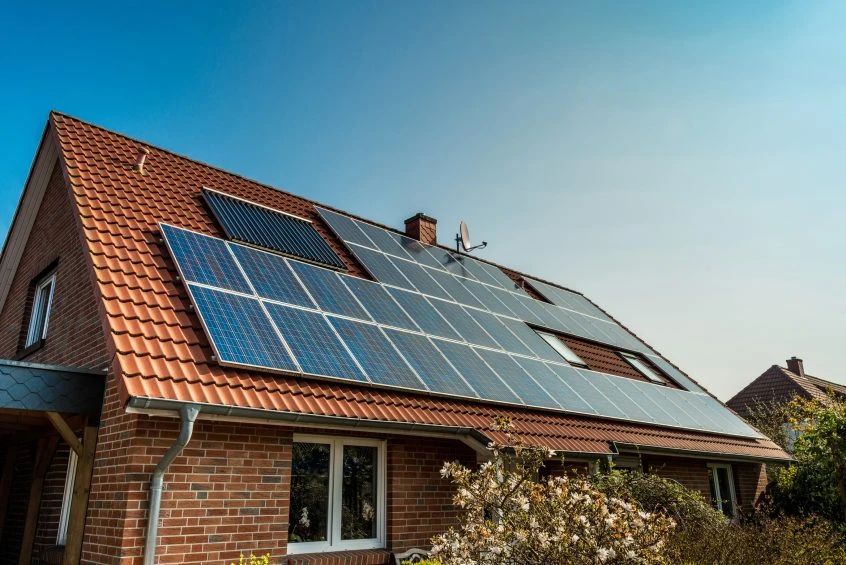

As the world grapples with the pressing need to address climate change, renewable energy sources are at the forefront of the conversation. Among these, solar parks stand out as a promising solution. But are they truly the green energy solution we've been searching for? Let's delve into the benefits and potential challenges of solar parks to understand their role in our sustainable future.
The Rise of Solar Parks
Solar parks, also known as solar farms or photovoltaic (PV) power stations, are large-scale installations where numerous solar panels are set up to generate electricity. These parks can range from a few acres to several square miles, capable of producing substantial amounts of power. The rise of solar parks is driven by several key factors:
Abundant Solar Energy: Solar energy is one of the most abundant and accessible renewable energy sources. The sun provides more energy in one hour than the entire world consumes in a year, making it an incredibly powerful resource.Declining Costs: The cost of solar technology has been decreasing steadily over the past decade. Advances in technology and increased production have made solar panels more affordable, encouraging the development of solar parks.Government Incentives: Many governments offer incentives such as tax credits, rebates, and grants to promote the adoption of solar energy. These incentives make it financially viable for investors to develop solar parks.Benefits of Solar Parks
Solar parks offer several significant benefits that make them a strong contender in the green energy landscape:
Clean Energy Production: Solar parks generate electricity without emitting greenhouse gasses or pollutants. This helps reduce the carbon footprint and mitigate the effects of climate change.Renewable Resource: Unlike fossil fuels, solar energy is renewable and inexhaustible. As long as the sun shines, solar parks can continue to produce energy.Energy Independence: Solar parks can reduce dependence on imported fossil fuels, enhancing energy security for countries. This is particularly beneficial for regions with high solar potential but limited fossil fuel resources.Job Creation: The development and maintenance of solar parks create jobs in various sectors, including manufacturing, installation, and maintenance. This can boost local economies and provide new employment opportunities.Land Utilization: Solar parks can be installed on underutilized or degraded land, such as former industrial sites or deserts, providing a productive use for otherwise idle land.Challenges and Considerations
Despite their numerous benefits, solar parks are not without challenges:
Land Use: Large-scale solar parks require significant land areas, which can lead to conflicts with agricultural use, natural habitats, and local communities. Proper site selection and land use planning are essential to minimize these impacts.Intermittency: Solar energy is intermittent, as it depends on sunlight. This can be mitigated with energy storage solutions and grid management, but it remains a challenge for consistent energy supply.Environmental Impact: The production and disposal of solar panels involve environmental considerations. Ensuring sustainable manufacturing practices and developing recycling programs for end-of-life panels are crucial.Conclusion
Solar parks present a compelling green energy solution with the potential to significantly reduce greenhouse gas emissions and promote sustainable development. However, their successful implementation requires careful planning, addressing land use conflicts, and investing in complementary technologies such as solar energy storage. As technology advances and costs continue to fall, solar parks will likely play an increasingly vital role in the global transition to renewable energy. Embracing this green energy solution could pave the way for a cleaner, more sustainable future.



























Sign in to leave a comment.