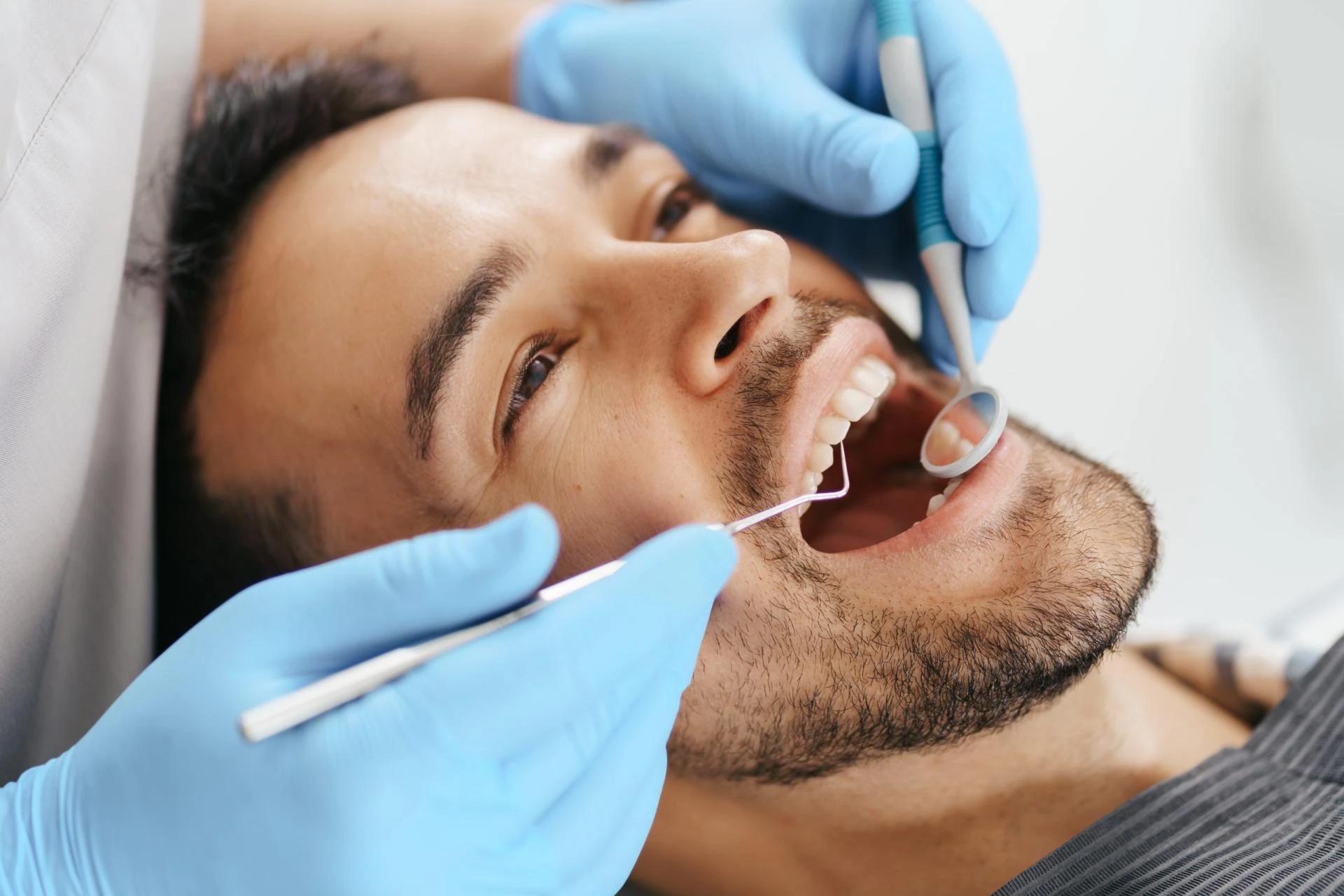

When was the last time you sat in a dentist’s chair for a routine checkup? If it’s been a while, you’re not alone. Many people push off dental appointments due to busy schedules, anxiety, or the belief that their teeth feel fine. But skipping visits could allow small problems to grow into painful or costly ones.
Most people have asked at some point how often should you go to the dentist, and the answer depends on a few personal factors. This guide breaks down expert advice, why visit frequency matters, and how to recognize when it’s time to book your next appointment.
What Dentists Typically Recommend
The general recommendation is to visit the dentist every six months. This schedule allows your dental team to:
- Professionally clean your teeth
- Monitor your gums
- Catch problems early (before they cause symptoms or damage)
- Offer advice on better oral hygiene
However, some people may need to visit more often. This includes individuals who:
- Have gum disease
- Are prone to cavities or tartar buildup
- Smoke or use tobacco
- Have chronic conditions like diabetes
- Are pregnant
- Wear braces, aligners, or dentures
If you fall into one of these groups, your dentist might suggest appointments every three to four months.
Why Every Six Months Makes Sense
Even if your teeth feel fine, it only takes a few months for plaque to harden into tartar, for cavities to develop, or for gum irritation to begin. A routine cleaning removes buildup that daily brushing and flossing can’t reach. And a professional checkup helps spot issues you may not see or feel.
Early treatment is often less invasive, less expensive, and more effective. Preventive visits also allow your dental team to track changes in your oral health over time.
Signs It’s Time to See the Dentist Sooner
While the six-month schedule works for many, there are times when you should go in sooner. If you notice any of the following, call your dentist:
- Tooth pain or sensitivity
- Bleeding when you brush or floss
- Puffy or swollen gums
- Persistent bad breath
- Loose teeth
- Jaw pain or clicking
- Sores or patches that won’t heal
These symptoms can indicate cavities, infections, gum disease, or even early signs of oral cancer. The sooner these are diagnosed, the better the outcome.
What Happens at a Routine Visit
Many people avoid the dentist simply because they’re unsure what to expect. A typical checkup includes:
- Teeth Cleaning
- A hygienist removes plaque and tartar, polishes your teeth, and flosses thoroughly.
- Dental Exam
- Your dentist checks for cavities, gum problems, alignment issues, and signs of decay or damage.
- X-rays (if needed)
- X-rays can reveal problems hidden below the surface, such as bone loss or abscesses.
- Oral Cancer Screening
- Most exams include a brief visual check of your mouth and tongue for unusual patches or sores.
- Home Care Tips
- Your provider may suggest better brushing techniques, new products, or diet changes.
Most checkups take about 45 minutes and are painless, efficient, and educational.
Dental Visit Needs by Age
Oral care needs change as we age. Here's what dentists recommend by life stage:
- Babies and toddlers: First visit by age 1, then every six months
- Children and teens: Continue twice-yearly visits, especially during orthodontic treatment
- Adults: Stay consistent to catch wear, decay, and gum issues
- Seniors: Visit regularly to monitor dry mouth, tooth wear, and dental restorations
Age-related changes make consistency even more important as we grow older.
What If You Don’t Have Dental Insurance?
One common reason people delay dental visits is cost. But many practices offer solutions such as:
- Low-cost membership plans
- Preventive care bundles
- Payment plans for treatments
- Discounts for cash-paying patients
These options make it easier to keep up with regular care without breaking your budget. Remember, preventive visits often cost far less than emergency treatments like extractions or root canals.
The Cost of Skipping Visits
Delaying dental appointments might seem harmless, but the risks grow the longer you wait. Problems like cavities and gum disease don’t go away on their own. Without early care, you may face:
- Expensive treatments like crowns, implants, or bridges
- Tooth loss
- Infections that affect your whole body
- Chronic bad breath or pain
Preventive care is the smartest way to protect your smile, your health, and your wallet.
Final Thoughts
So, are you going often enough? If it’s been more than six months since your last dental checkup, now is a great time to schedule one. Whether you have perfect teeth or you’re noticing small changes, regular visits help prevent future issues and keep your mouth in top shape.
Your dentist can help you find the best schedule based on your personal needs. What matters most is staying proactive and treating oral care as an essential part of your overall health routine.











Sign in to leave a comment.