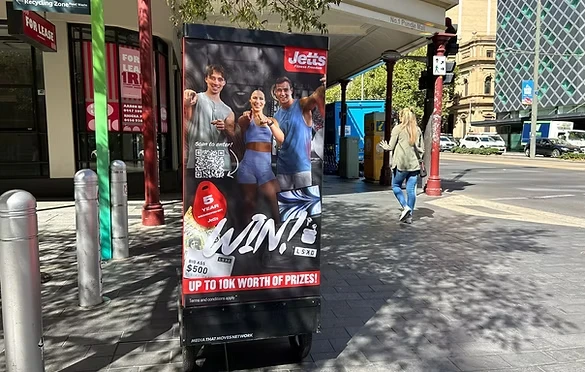
Many brands rely on static placements and digital channels to reach customers, but these methods often miss pedestrians and micro-audiences moving through dense urban corridors. To capture pockets of attention that traditional formats overlook, marketers need tactics that combine mobility with high-visibility creative. Bike billboards offer a low-cost, flexible alternative that navigates neighborhoods, events, and transit hubs while creating repeated impressions along targeted routes. For campaigns focused on local discovery, promotions, or event awareness, integrating mobile displays provides measurable reach and contextual relevance that static or purely digital tactics frequently fail to deliver in urban and suburban markets, as well as daily visibility.
The Mobile Advantage in Urban Contexts
Urban environments present fragmented attention: commuters, tourists, and locals move in short bursts between transit stops, shops, and public spaces. Fixed signage captures only those who pass a specific point, which limits frequency and reach within these micro-moments. Mobile solutions increase exposure by traveling through different corridors and stopping near high-footfall locations, giving brands repeated opportunities to be noticed. This mobility also enables route optimisation: campaigns can be concentrated in neighbourhoods with the highest conversion potential, or rotated across districts to maximise incremental impressions and engagement across diverse audience clusters during peak hours and events.
Cost Efficiency Compared to Traditional Formats
Out-of-home advertising budgets are often stretched by high rental fees for large static panels and digital placements. Many organisations find that allocating a portion of that budget to mobile formats delivers a better return on investment for local campaigns. Bike billboards require lower overhead, reduced permits, less site negotiation, and minimal installation, yet still reach dense pedestrian clusters and event crowds.
Targeting and Route Flexibility for Hyperlocal Campaigns
Precise targeting matters when campaigns aim to influence immediate purchase behaviour or event attendance. Mobile assets can be deployed to match specific times of day, neighbourhood demographics, or event schedules, creating alignment between message and context that static formats cannot match. For instance, promoting a lunchtime offer near office precincts or driving awareness of a weekend market in residential zones becomes feasible with a movable asset that mirrors audience movement.
Creative Engagement and Higher Recall Rates
Creativity gains traction when audiences encounter novelty during routine journeys. Bike billboards offer eye-level placement and the ability to pause at intersections or gather near events, boosting the chance that a passerby will register and remember the message. Compared to a digital screen flashed in passing, a well-designed mobile panel can linger in a viewer’s timeline through repeated exposures on multiple streets. This repeated-contact model supports stronger brand recall and better campaign metrics for activation-focused promotions and seasonal initiatives that depend on immediate visibility and memorability.
Integration with Multichannel Campaigns
For brands that already use digital and traditional channels, bike billboards serve as a strong physical complement, driving foot traffic and local awareness. Mobile exposure often amplifies digital conversion by creating contextual triggers. People who see an outdoor message are more likely to search, click, or visit when the ad is relevant to their immediate surroundings. Combining mobile routing with geotargeted digital ads and social amplification creates a cohesive funnel that moves audiences from discovery to action.
Conclusion
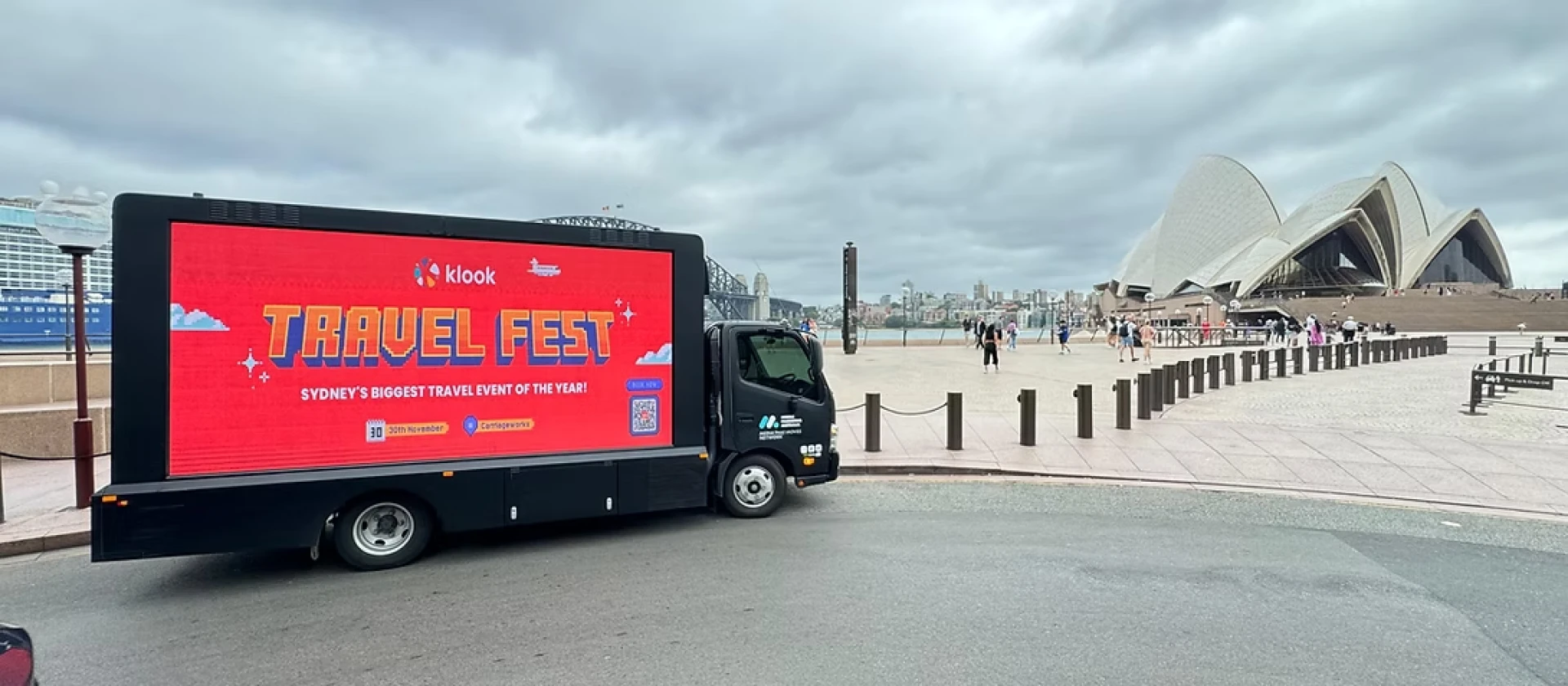
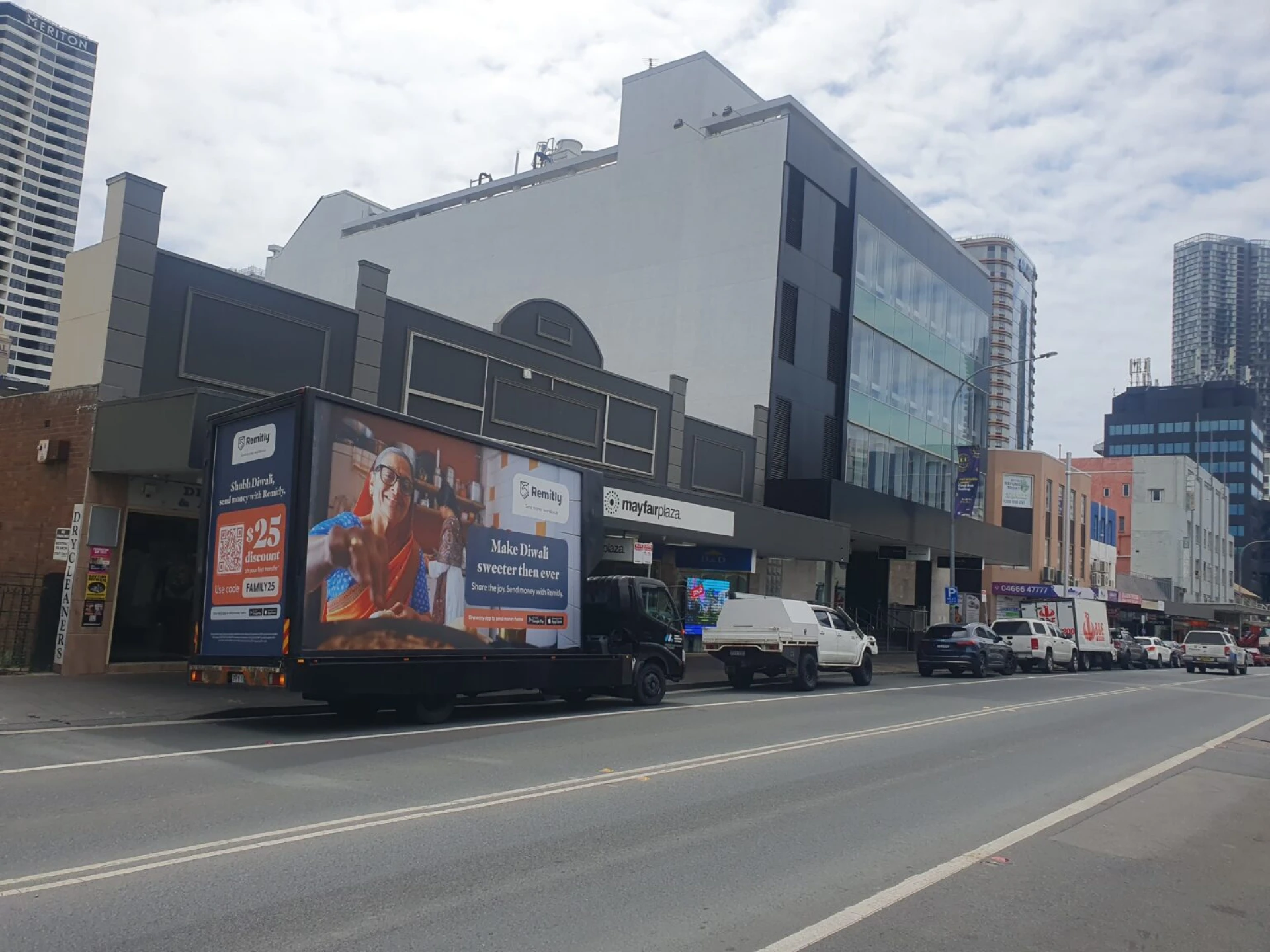
When local visibility, budget flexibility, and targeted reach are priorities, mobile placements deliver practical advantages that static and solely digital strategies often miss. By offering routeable presence, lower overhead, and strong creative impact, these solutions help brands capture micro-moments that drive footfall and immediate conversions. Marketers seeking to strengthen on-the-ground activation while complementing online efforts should consider adding mobile formats to their media mix, especially when pairing them with scalable platforms and analytics tools. For campaigns that require visible, location-specific reinforcement, combining bike billboards with a broader network that includes a digital advertising billboard can create a robust, multi-touch presence that drives both awareness and measurable outcomes.
Sign in to leave a comment.