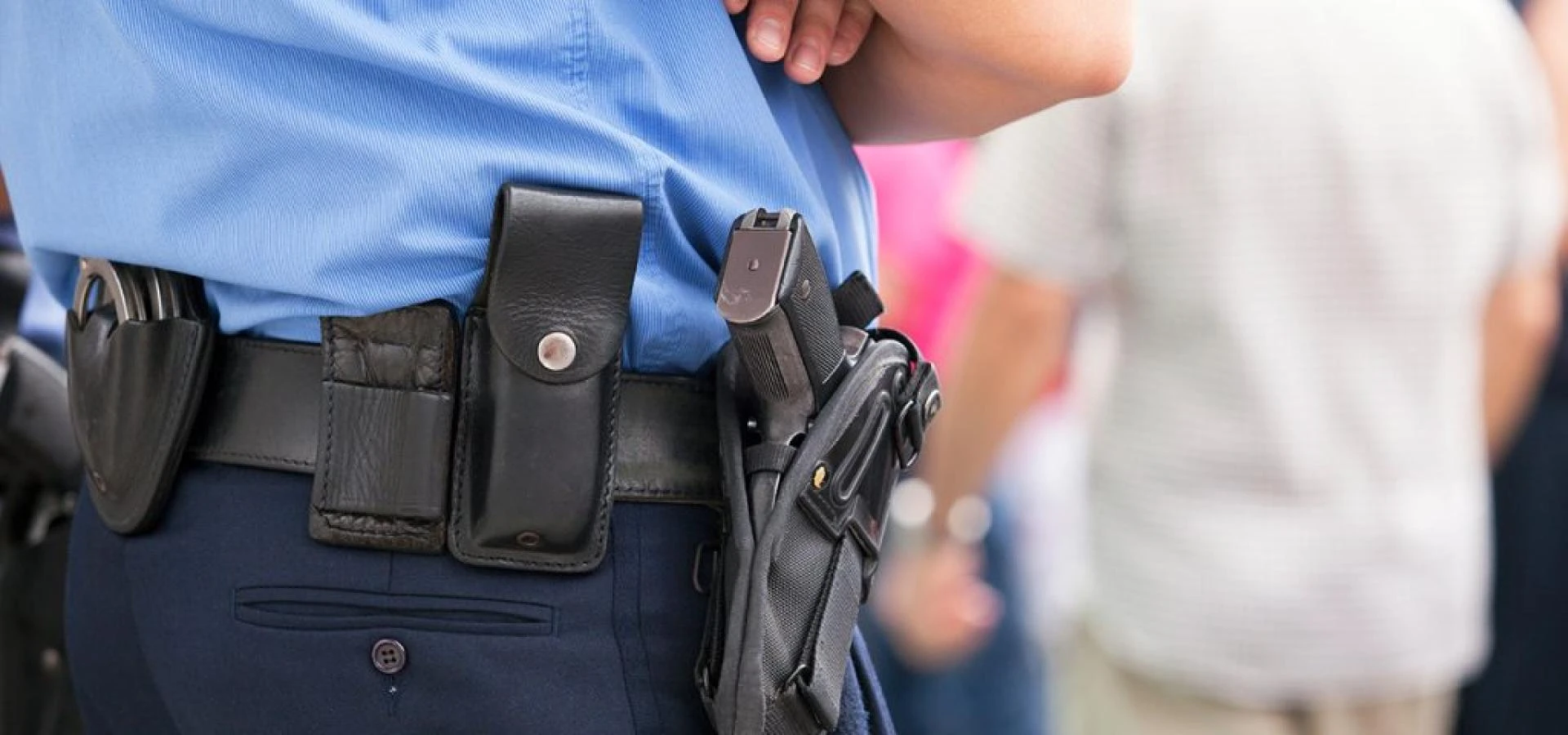

Security does not look the way it used to. Risks move faster. Liability is higher. Expectations are sharper. Cameras and access systems help, but they do not step in when something goes wrong. People do. That is why armed security still matters in certain environments.
This is not about force or fear. It is about being ready when a situation turns serious and having trained professionals on site who know how to respond.
Here are ten clear reasons armed security continues to play a real role today.
1. Fast response when seconds count
When a threat shows up, waiting is not an option. Armed officers are already there. They read the situation, move quickly, and take control before things spread. That speed often keeps people safe and limits damage.
2. Presence that stops trouble early
Most incidents never happen because armed security is visible. People looking for easy targets usually walk away. The goal is prevention, not confrontation. A strong presence does the job quietly.
3. Real control at entry points
Who gets in matters. Armed officers check credentials, watch behavior, and catch problems early. Stopping an issue at the door is always better than dealing with it inside.
4. Calm leadership during emergencies
Not every emergency involves crime. Fires, medical issues, power outages, and evacuations all need steady direction. Armed officers train for these moments and help people move safely when stress is high.
5. Confidence for staff and visitors
People feel safer when security is visible and capable. Employees stay focused. Visitors feel at ease. That sense of order changes how a place feels day to day.
6. Readiness for higher-risk situations
Some locations face risks unarmed teams cannot handle alone. Think government sites, financial centers, industrial facilities, and critical infrastructure. Armed officers train for serious threats and know how to keep control without making things worse.
7. Authority that keeps tension in check
Crowds and disputes can turn fast. Armed security brings authority that people respect. That alone often cools situations before they get physical.
8. Smooth coordination with police and responders
When outside help arrives, armed officers already know the site and what has happened. They share clear information and secure the area. That teamwork reduces confusion when every minute matters.
9. Protection shaped around real risk
Good security is not one plan copied everywhere. Armed teams adjust patrols, staffing, and coverage based on the site and the threat level. That keeps protection practical instead of overdone.
10. Protection that goes beyond property
Security incidents hurt more than buildings. They disrupt operations and damage trust. Armed security lowers those risks by stopping problems before they become public issues.
When armed security makes sense
Not every business needs armed guards. Low-risk offices often do fine with unarmed teams and technology. Armed security fits places where the consequences of an incident are serious.
This includes locations with valuable assets, sensitive information, large crowds, or a history of security problems. In those settings, readiness matters more than appearance.
Technology still needs people
Modern security relies on cameras, alarms, and access systems. These tools support armed officers. They do not replace them. Technology shows what is happening. People decide what to do next.
Armed security officers notice details machines miss. Body language. Patterns. Small changes that signal trouble. That human judgment still matters when situations turn unpredictable.
Final thoughts
Risk has not gone away. It has become faster and more complex. For organizations facing real threats, alarms and policies are not enough. Trained people on site make the difference.
When used the right way, armed security protects people, keeps operations running, and stops small problems from becoming major crises. For the right environments, it remains one of the most dependable layers of protection available.

Sign in to leave a comment.