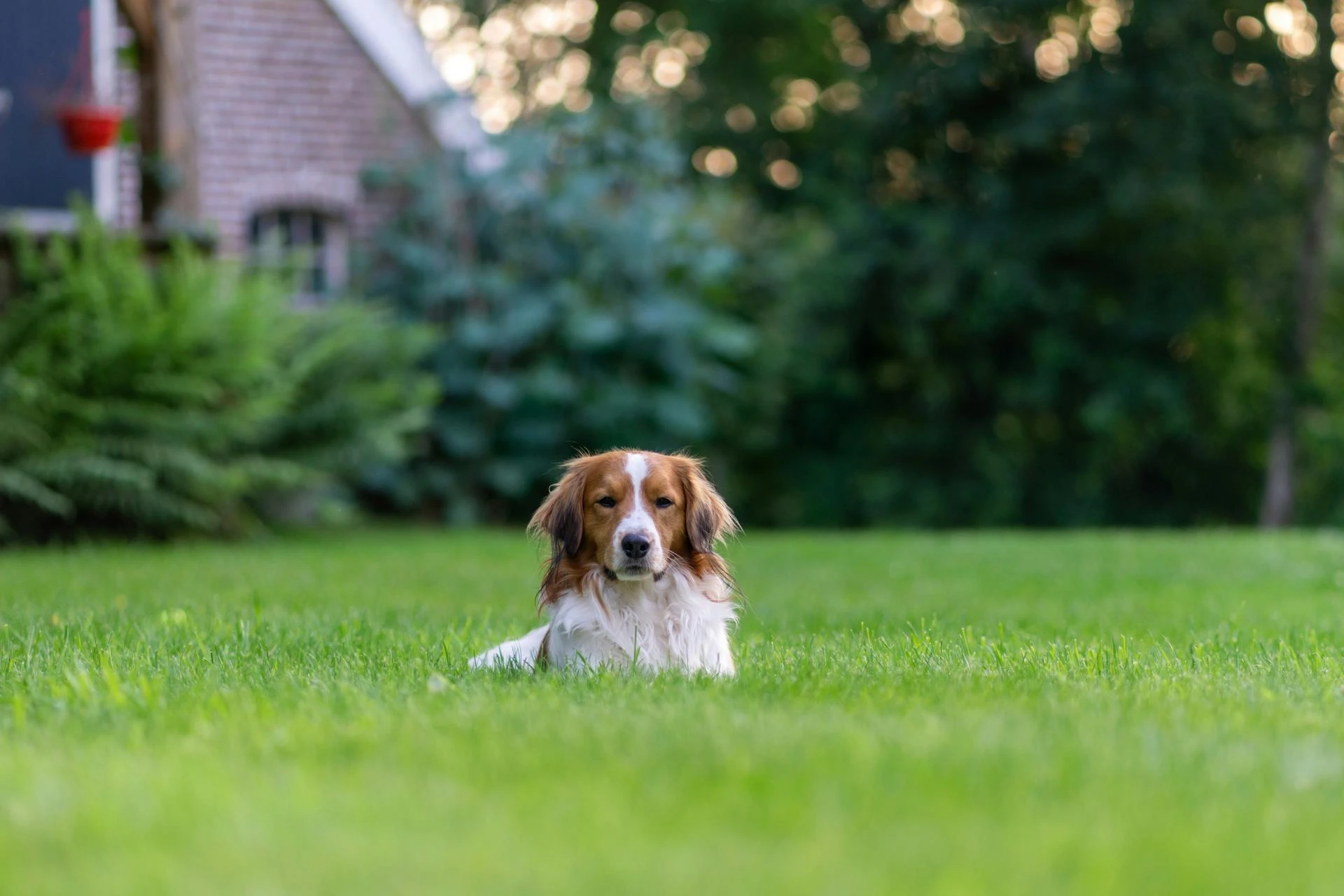

Most people don’t start by searching for artificial grass for dogs. They start with muddy paw prints across the floor, worn patches near the fence, and a lawn that never quite recovers.
Natural grass struggles with repeated use. Dogs tend to run the same paths, use the same corners, and dig in the same spots. Over time, that pressure turns healthy turf into compacted soil and mud. That’s when many homeowners begin looking into artificial turf for dogs as a long term solution.
What Makes Artificial Grass Suitable for Dogs?
Not all turf is designed with pets in mind. The best artificial grass for dogs focuses on three things: drainage, durability, and safety.
Drainage is critical. Dog urine needs to pass through the backing quickly to prevent pooling and odour build-up. A properly prepared sub-base allows liquids to filter away rather than sit on the surface.
Durability matters because dogs don’t treat lawns gently. Running, scratching, and repeated movement can flatten low-quality fibres. High-density turf with strong backing holds its shape and recovers better.
Safety should never be overlooked. Synthetic grass for dogs should be non-toxic and free from harmful infill materials. Since it doesn’t require fertilisers or chemical treatments, it often reduces irritation compared to natural lawns.
Installation Is Everything
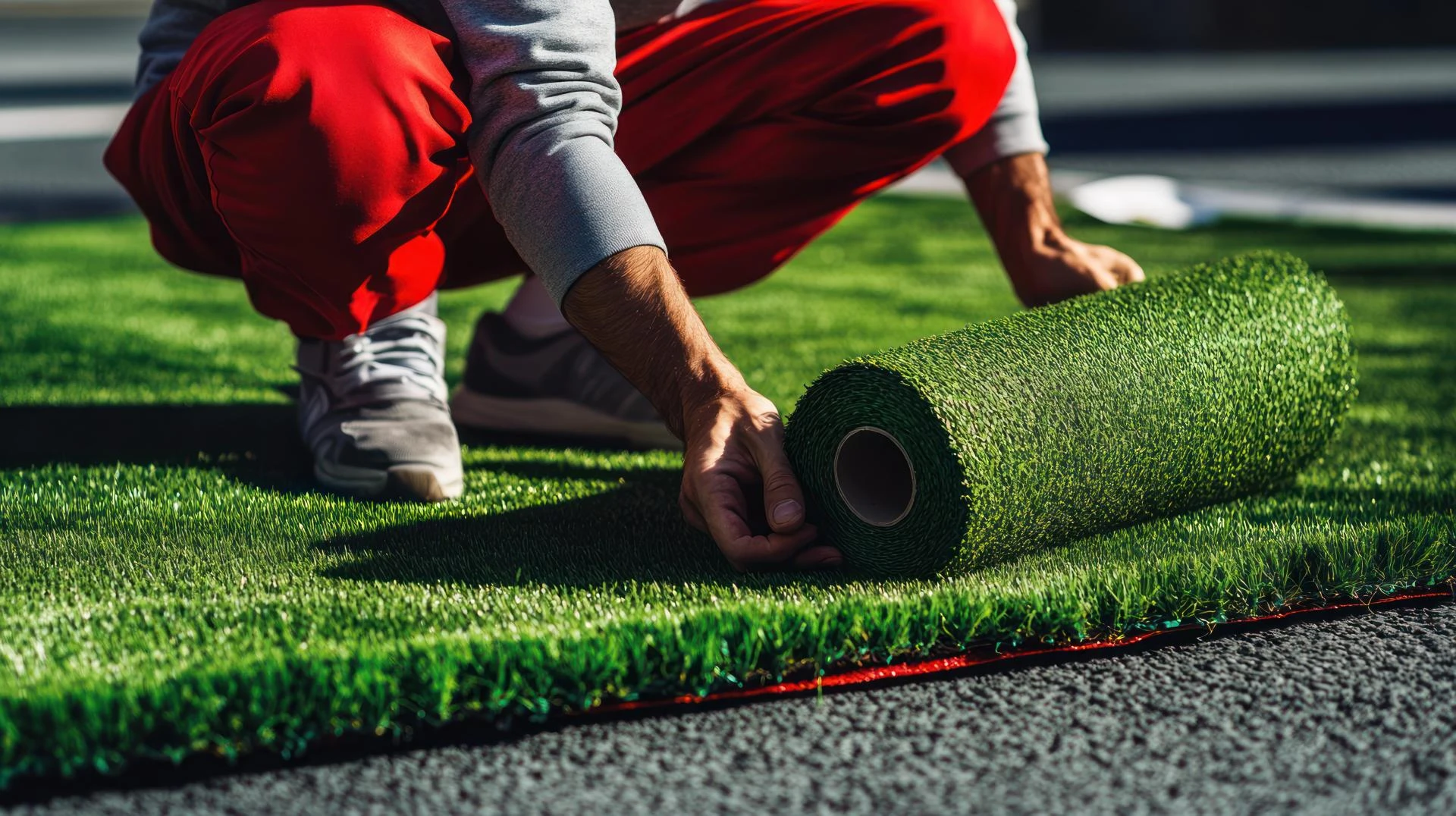
Even the best turf for dogs won’t perform properly without correct installation. When installing artificial turf for dog-friendly gardens, the groundwork determines long-term results.
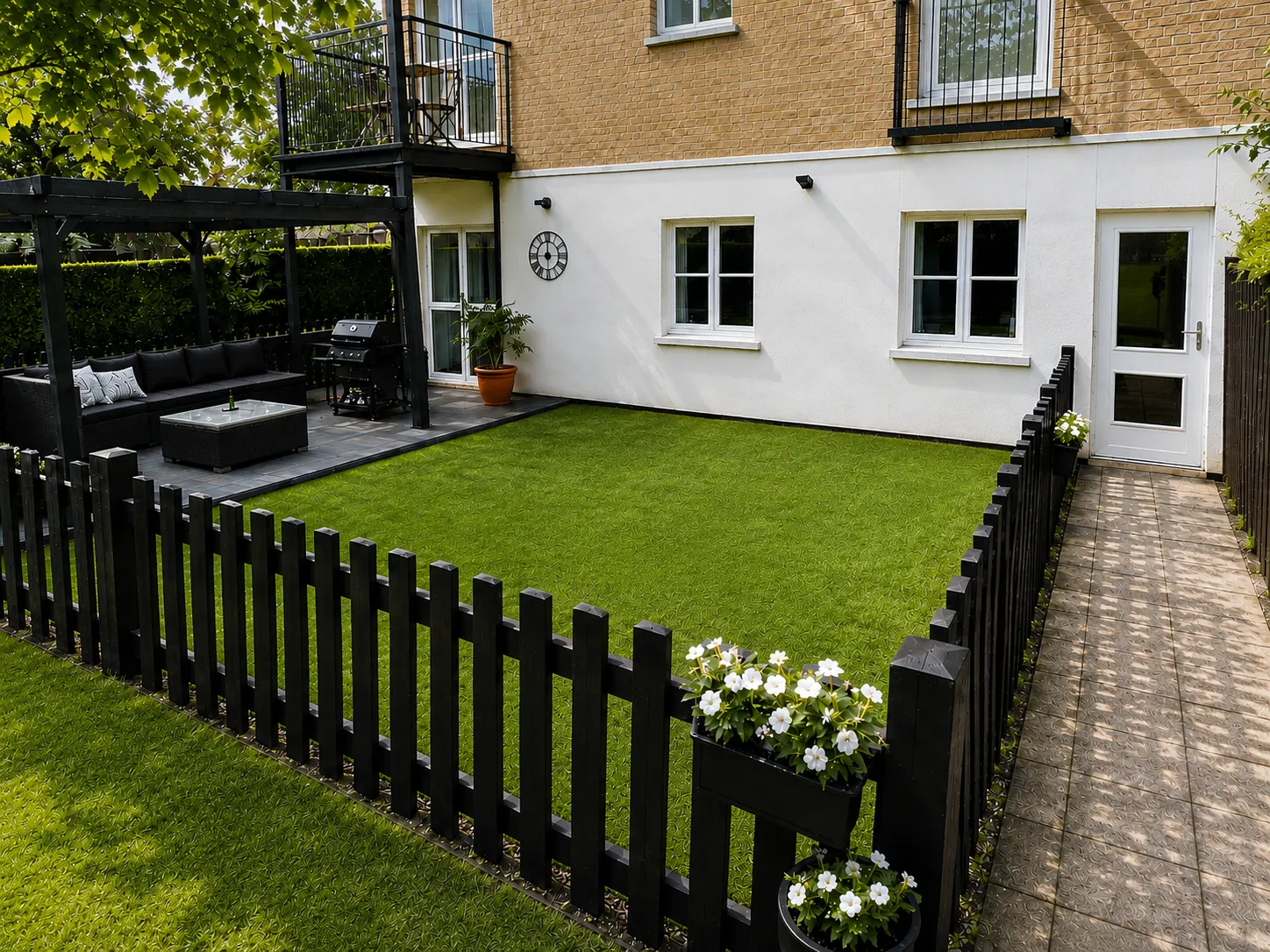
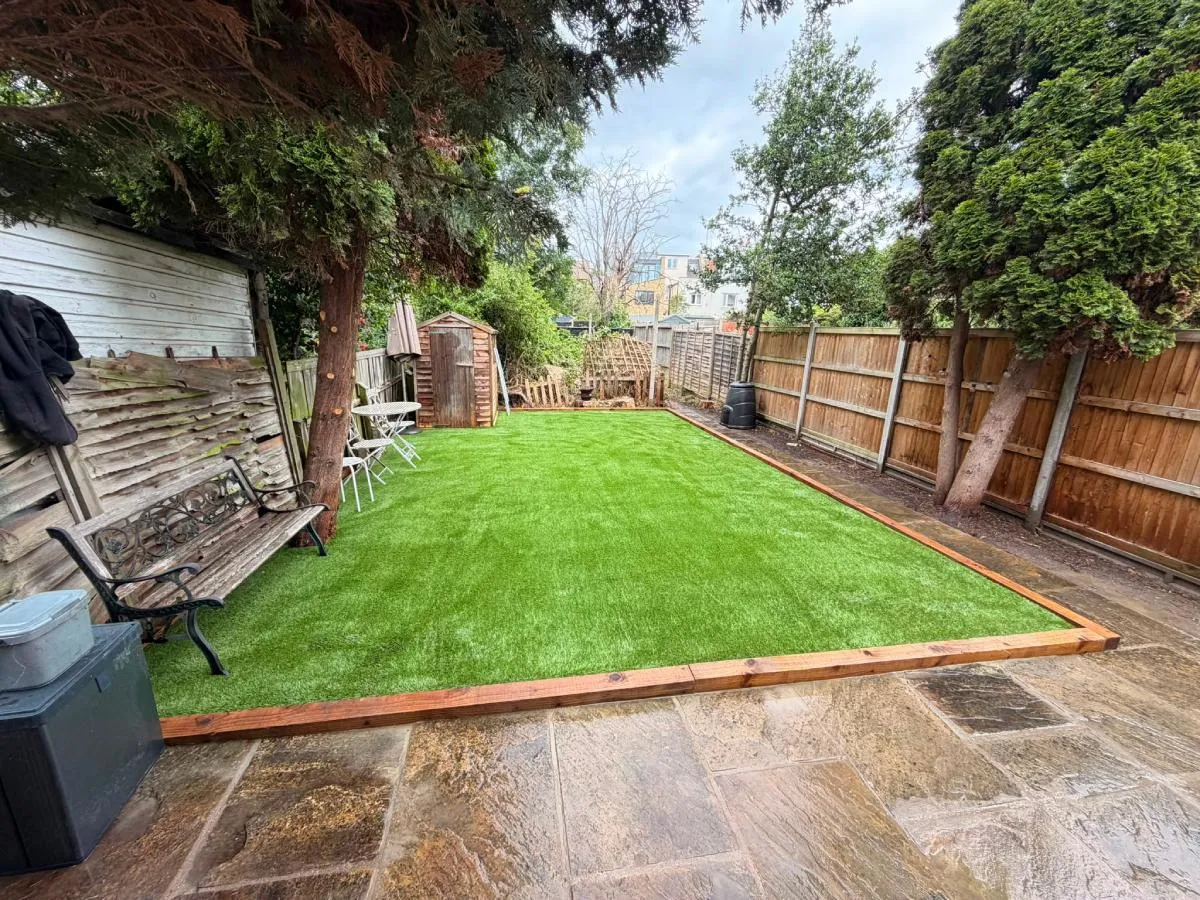
A solid base prevents sinking and movement. Proper compaction reduces shifting under heavy use. Good edging keeps the surface secure along boundaries where dogs tend to run or dig.
This is why artificial grass for dogs installation is less about rolling out turf and more about what sits underneath it. Skipping preparation is where most problems begin.
Managing Odour and Hygiene
One of the biggest concerns with fake grass for dogs is smell. In reality, odours usually come from poor drainage or trapped waste, not the turf itself.
With a well-installed base and occasional rinsing, artificial grass for pets stays clean and usable year-round. Many owners find it easier to maintain than natural grass, especially during wet seasons.
Is Artificial Grass Bad for Dogs?
This question comes up often. Artificial grass is not bad for dogs when it’s pet-specific, properly installed, and maintained. Issues tend to arise from low-quality materials, poor drainage, or overheated surfaces in direct sun.
Choosing the best artificial turf for dogs means looking beyond appearance and focusing on performance.
Is It Worth It?
If your garden is constantly muddy, patchy, or unusable after rain, artificial grass for dogs can completely change how the space functions. It creates a consistent surface that handles heavy use without turning into a maintenance project.
Before making a decision, understand this: the visible grass is only part of the system. The real performance comes from the base, drainage, and installation quality.
If you’re exploring artificial grass for dogs and want more details on materials and installation, you can learn more here:
https://superiorlawn.co.uk/




























Sign in to leave a comment.