
Home renovations can be exciting and rewarding, but they can also pose unexpected dangers. Asbestos is a hidden danger that many homeowners could overlook, especially in older linoleum (lino) and carpet installations. In this thorough guide, we will delve into the dangers of asbestos in lino and carpet, look at its historical applications, describe how to spot it, emphasise the need for asbestos testing before removing lino and carpet, go over DIY testing options, discuss the advantages of using professional asbestos testing services, and offer advice on safe removal and disposal if asbestos is discovered. You will be well-informed about how to guard against asbestos exposure during house renovations by the time you finish reading this article.
What is Asbestos and Why is it Dangerous?
A naturally occuring class of minerals called asbestos is renowned for its exceptional heat resistance, toughness, and insulating qualities. Its widespread use in building and other items throughout the 20th century was a result of these properties. But when disturbed, asbestos fibres can become airborne and swallowed or inhaled, which can have a serious negative impact on one's health.
The following are the main health hazards linked to asbestos exposure:
Lung Cancer: Particularly for smokers, asbestos inhalation can raise the risk of lung cancer.The lining of the lungs, chest, or abdomen can be affected by the uncommon and deadly malignancy known as mesothelioma. It is closely related to exposure to asbestos.Asbestosis: A chronic lung disease called asbestosis causes lung tissue to scar, which makes breathing harder and lowers quality of life.Asbestos in Lino and Carpet: Understanding the Risks
Asbestos was once commonly used in the backing, adhesives, and underlayments of linoleum (lino) and carpet products. The goal was to make these flooring materials more durable and fire-resistant. However, as these materials disintegrate or age, they may leak asbestos fibres into the air, endangering the health of everyone nearby.
The History of Asbestos in Lino and Carpet
The use of asbestos in linoleum and carpet dates back to the mid-20th century when asbestos was highly regarded for its fireproof properties. It was used as a reinforcement material in various household products, including floor coverings. While the use of asbestos in these products has significantly decreased in recent decades due to health concerns, older homes may still contain asbestos-containing linoleum and carpet.
How to Identify Asbestos in Lino and Carpet
Identifying asbestos in lino and carpet can be challenging because asbestos fibers are not visible to the naked eye. To determine if asbestos is present, you must rely on testing. However, there are some visual clues that may suggest the presence of asbestos, such as:
Age of the Flooring: If your linoleum or carpet was installed before the 1980s, it has a higher likelihood of containing asbestos.Backing Material: Check the backing material of your carpet or linoleum. Asbestos-containing products often have a fibrous or paper-like backing.Underlayment: Inspect the underlayment beneath your linoleum or carpet. Some underlayments contain asbestos fibers for added strength and insulation.Manufacturer's Label: If you have access to manufacturer labels or product information, they may indicate whether asbestos was used.The Importance of Testing for Asbestos Before Removing Lino and Carpet
Due to the potential health risks associated with asbestos exposure, it is crucial to conduct asbestos testing before attempting to remove lino or carpet, especially in older homes. Testing helps confirm whether asbestos is present and determines the appropriate safety precautions for removal.
DIY Asbestos Testing Methods
While hiring a professional asbestos testing service is the safest and most reliable option, some homeowners may choose to conduct DIY asbestos testing. Here are the basic steps for DIY asbestos testing:
Gather Samples: Use a utility knife or similar tool to carefully collect small samples from areas that are hidden or inconspicuous, such as edges or corners of the flooring.Wear Protective Gear: Prioritize safety by wearing appropriate personal protective equipment, including a mask, disposable gloves, and safety glasses.Seal Samples: Place the collected samples in airtight plastic bags, clearly labeling each bag with the location and date of collection.Send Samples for Testing: Contact an accredited laboratory specializing in asbestos testing and follow their instructions for sending the samples.Await Results: The laboratory will analyze the samples and provide a report indicating the presence or absence of asbestos.Hiring a Professional Asbestos Testing Service
While DIY testing is an option, professional asbestos testing services offer several advantages. Certified professionals are experienced in safely collecting samples, reducing the risk of fiber release during the process. They use specialized equipment and follow rigorous testing procedures to provide accurate results. Hiring a professional service also ensures compliance with local regulations and standards for asbestos testing.
What to Do If Asbestos Is Found in Your Lino and Carpet
If asbestos is confirmed in your lino and carpet, it's essential to take immediate action to protect yourself and others in your home. Here are the steps to follow:
Restrict Access: Isolate the contaminated area to prevent accidental exposure. Avoid walking on or disturbing the flooring.Consult Experts: Seek advice from asbestos removal professionals or abatement specialists who can safely remove asbestos-containing materials.Follow Regulations: Comply with local regulations and guidelines for asbestos removal and disposal, which may require notification to authorities.Safe Removal and Disposal of Asbestos-Containing Lino and Carpet
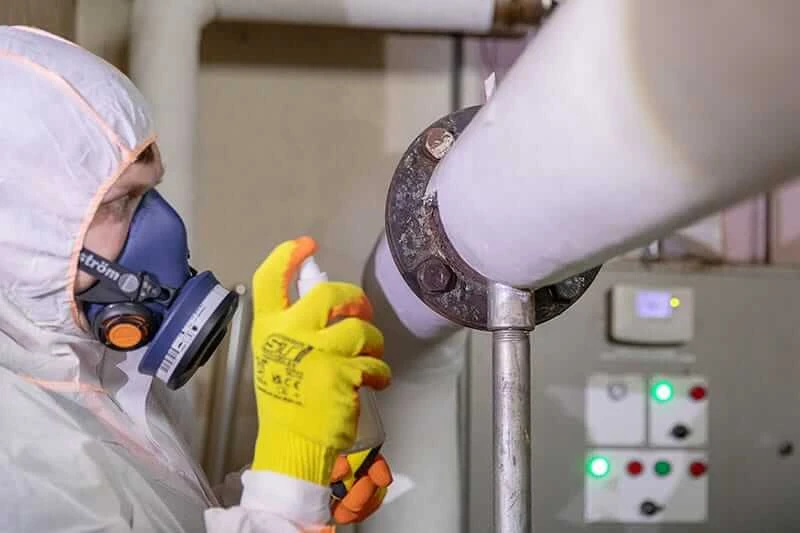
Asbestos removal should always be carried out by licensed professionals to ensure safety and compliance with regulations. These experts have the necessary training, equipment, and procedures in place to minimize asbestos fiber release during removal. The process typically includes:
Creating a Containment Area: Professionals establish a controlled work area using plastic sheeting to prevent the spread of asbestos fibers.Wearing Protective Gear: Workers wear appropriate personal protective equipment, including respirators, disposable coveralls, and gloves.Wetting the Materials: Asbestos-containing lino and carpet are wetted down to minimize dust and fiber release.Careful Removal: The materials are removed in a manner that minimizes damage and fiber release. Specialized tools and techniques are used.Cleanup and Disposal: After removal, the area is thoroughly cleaned using wet methods and HEPA vacuums. All asbestos-containing materials are sealed in designated bags for proper disposal at an approved facility.Conclusion: Protecting Yourself and Your Loved Ones from Asbestos Exposure
Asbestos in lino and carpets is a serious concern, especially in older homes. Understanding the risks, identifying asbestos, and conducting proper testing before removal are crucial steps to safeguard your health and the health of your family. Always prioritize safety by hiring professionals for asbestos removal and disposal when asbestos is confirmed. By taking these precautions, you can ensure that your home renovation projects are both successful and safe, free from the dangers of asbestos exposure.
Professional Asbestos Removal Services in Sydney | Deft Demo
Deft Demo provides safe and efficient asbestos removal services in Sydney. Our team of professionals is trained to handle all types of asbestos, ensuring a secure removal process for your home or workplace. Contact us today for a tailored solution.






























Sign in to leave a comment.