

Asphalt pavement is designed to provide a durable surface for roads, parking areas, and other properties, but over time, the surface can become uneven, worn, or unsuitable for continued use without improvement. When property owners begin planning a resurfacing or paving project, one term they may encounter is Asphalt Milling.
But what exactly is asphalt milling, and why is it an important part of some pavement projects?
Asphalt milling involves removing a controlled layer of existing asphalt to prepare the surface for a new pavement application or address specific surface conditions. For property owners in Windham and Hooksett, NH, understanding the process can make it easier to evaluate paving options and have productive conversations with experienced contractors.
What Is Asphalt Milling?
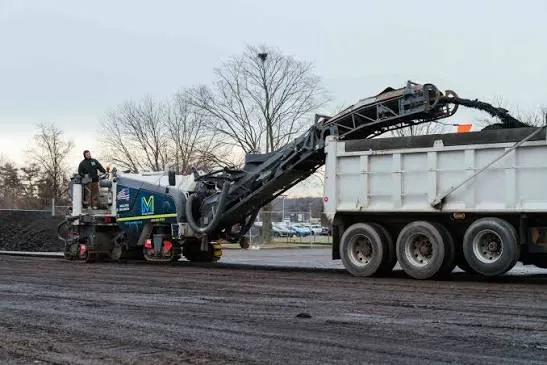
Asphalt milling is the controlled removal of a selected thickness of existing asphalt pavement. Specialized milling equipment uses a rotating cutting drum to remove the upper layer while leaving the underlying pavement or base intact when appropriate.
The depth of milling depends on the property's condition and the goals of the project. Some projects may require shallow surface milling, while others may involve removing a greater depth of asphalt.
The milled surface can then be prepared for resurfacing or another paving solution.
Milling Is Different From Complete Pavement Removal
Asphalt milling does not necessarily mean removing an entire pavement structure. Instead, it focuses on removing a specific layer of asphalt.
This controlled approach can allow contractors to preserve suitable underlying materials while creating a more appropriate surface for new asphalt.
For property owners, the distinction is important because milling may provide an efficient way to prepare an existing paved area without starting completely from scratch.
Why Do Property Owners Consider Asphalt Milling?
There are several reasons milling may be incorporated into an asphalt project. Existing pavement may have surface deterioration, elevation issues, uneven transitions, or other conditions that make simply placing new asphalt over the existing surface less suitable.
Milling allows contractors to remove selected portions of the existing asphalt and establish a better foundation for the next stage of work.
For larger commercial properties, milling can also be useful when maintaining appropriate elevations around entrances, curbs, drainage areas, and connecting pavement.
Milling Can Help Correct Surface Elevations
Adding layer after layer of asphalt can eventually create elevation concerns. Doorways, curbs, drainage structures, parking areas, and other connections may no longer align properly.
Milling can remove part of the existing pavement before new asphalt is installed. This can help contractors manage elevations and create smoother transitions between paved and surrounding areas.
Proper planning is particularly important when the pavement connects with existing structures or adjacent surfaces.
How Does the Asphalt Milling Process Work?
The milling process begins with evaluating the existing pavement and determining the appropriate milling depth. Contractors consider the condition of the surface, project goals, drainage, elevations, and the planned replacement or resurfacing method.
Specialized milling equipment then removes the designated asphalt layer. The machine can be adjusted to achieve the required depth and create a controlled surface.
After milling, the area is cleaned and evaluated before the next phase of the paving project begins.
Specialized Equipment Creates a Controlled Surface
Milling machines are designed specifically for pavement removal. Their cutting drums remove asphalt in a controlled manner while the machine moves across the surface.
The equipment can handle large paved areas efficiently, making milling especially useful for commercial projects and other substantial pavement surfaces.
The exact equipment and milling depth depend on the project's size, pavement condition, and desired result.
What Happens to the Milled Asphalt?
One of the useful aspects of asphalt milling is that the removed material does not necessarily have to become waste. Reclaimed asphalt pavement, commonly called RAP, can often be processed and reused in appropriate paving applications.
The milled material is collected during the process and may be transported for recycling or further processing.
Recycling Can Make Milling More Efficient
Recycling reclaimed asphalt can reduce the amount of material sent to disposal facilities and provide useful material for future paving applications.
The ability to reuse asphalt materials also supports a more resource-conscious approach to pavement construction.
Property owners don't necessarily need to manage this process themselves. Contractors can explain how milled material will be handled as part of the project.
Milling Can Prepare Pavement for Resurfacing
One of the most common reasons for milling is to prepare an existing pavement surface for new asphalt. Instead of simply placing a new layer over the existing surface, contractors can first remove a controlled amount of material.
This can provide a cleaner starting point for resurfacing and help manage elevations.
Asphalt Milling Experts in Hooksett, NH can evaluate the existing pavement and determine whether milling is appropriate for a specific resurfacing project.
The decision should be based on the actual condition and structure of the pavement rather than assuming milling is necessary for every paving project.
Milling Can Improve the Bond Between Existing and New Pavement
Proper surface preparation is an important part of resurfacing. Removing the selected upper layer can create a more suitable surface for the application of new asphalt.
The exact preparation requirements depend on the paving system and site conditions. Professional contractors can determine how the milled surface should be cleaned and prepared before resurfacing.
Where Is Asphalt Milling Commonly Used?
Asphalt milling can be used across many types of pavement projects. Commercial parking lots, roads, access lanes, municipal surfaces, and other paved areas may benefit from milling when existing pavement needs controlled removal before improvements.
Commercial properties can have particularly complex requirements because pavement often connects with curbs, sidewalks, drainage structures, entrances, and other features.
Commercial Parking Areas Can Benefit From Proper Milling
Parking lots need to accommodate vehicles while maintaining appropriate drainage and usable elevations. Over time, repeated paving or surface changes can affect these relationships.
Milling can help contractors remove selected pavement and prepare the area for resurfacing while accounting for existing site features.
For business owners, proper planning can help minimize unnecessary disruption and create a more functional finished surface.
Milling Can Help With Drainage and Transitions
Water management is an important part of any paving project. Pavement needs appropriate slopes and elevations so water can move toward designated drainage areas rather than collecting in unwanted locations.
Milling can sometimes be incorporated into a project to help manage existing elevations before new pavement is installed.
Proper Grades Support Better Water Flow
A paving contractor can evaluate how existing pavement slopes across the property. If elevation changes are needed, controlled milling may be one part of the overall solution.
However, milling alone does not solve every drainage problem. The entire site's grading and drainage design should be considered before work begins.
This site-specific approach helps ensure that the finished pavement works with the property's existing drainage system.
When Should Property Owners Consider Asphalt Milling?
Milling may be appropriate when an existing pavement surface needs controlled removal before resurfacing or when elevation and surface conditions need to be addressed.
Potential situations can include worn pavement surfaces, excessive pavement thickness, uneven transitions, and projects where the existing surface needs to be lowered before new asphalt is installed.
A professional evaluation is important because not every pavement project requires milling.
Start With a Professional Pavement Assessment
Before deciding on milling, property owners should have the existing pavement evaluated. A contractor can assess the surface, underlying conditions, drainage, elevations, and intended use of the property.
This information helps determine whether milling, resurfacing, reconstruction, or another paving approach is appropriate.
Making the decision based on the property's actual condition can help avoid unnecessary work and ensure the project addresses the right problem.
Why Local Experience Matters in Windham and Hooksett
Properties in Windham and Hooksett can have different layouts, grades, drainage systems, traffic levels, and pavement conditions. These factors can influence whether milling is appropriate and how the project should be performed.
Local contractors can evaluate these site-specific characteristics and help property owners understand the available options.
For larger commercial properties, understanding how milling will interact with existing curbs, entrances, drainage structures, and surrounding pavement is especially important.
Ask Questions Before the Milling Begins
Property owners should understand why milling is being recommended, how much pavement will be removed, what happens to the reclaimed asphalt, and what work follows the milling process.
It is also useful to discuss project access, drainage, elevations, and expected timelines.
Clear communication before work starts can help property owners understand the purpose of each stage and what the finished pavement is expected to accomplish.
Asphalt Milling Is About More Than Removing Old Pavement
Asphalt milling is a controlled pavement process that can prepare existing surfaces for improvements, help manage elevations, and support resurfacing projects.
For property owners in Windham and Hooksett, understanding milling can make paving discussions much easier. Instead of thinking of it simply as removing old asphalt, it is better understood as a preparation technique that can help contractors create the right conditions for the next phase of pavement work.
Windham property owners considering a paving project can also consult Asphalt Milling Contractors in Windham, NH to evaluate their existing pavement and determine whether milling fits the property's needs.
Ultimately, the right paving approach depends on the condition of the existing surface, the property's layout, drainage, traffic requirements, and long-term goals. With proper assessment and professional planning, asphalt milling can be an effective step toward creating a smoother, better-prepared pavement surface.



























Sign in to leave a comment.