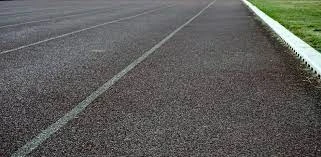

Asphalt paving is a popular method used for constructing smooth and durable surfaces such as roads, driveways, parking lots, and pathways.
This article will explore the process of asphalt paving, its benefits, maintenance requirements, common issues, and ways to enhance the appearance of asphalt pavement.
2. Understanding Asphalt Paving
Asphalt paving involves the application of asphalt, a sticky black mixture made of aggregates (such as sand, gravel, or crushed stone) and asphalt binder. This mixture is laid and compacted to create a solid and reliable surface. Asphalt is widely chosen for its durability, flexibility, and cost-effectiveness.
3. Benefits of Asphalt Paving
Asphalt paving offers several advantages:
Durability: Asphalt is a durable material that can withstand heavy traffic, temperature variations, and harsh weather conditions. It has the ability to flex and adapt to the movements of the underlying soil, reducing the risk of cracking and damage.
Smooth and Comfortable Surface: Asphalt provides a smooth and comfortable driving or walking surface, reducing noise and providing excellent traction. Its smoothness also contributes to better fuel efficiency for vehicles.
Cost-Effectiveness: Asphalt paving is a cost-effective option compared to other pavement materials. It has lower installation costs and requires minimal maintenance over its lifespan.
Quick Installation: Asphalt paving projects can be completed relatively quickly, minimizing disruptions and allowing for faster access to the paved area.
Recyclability: Asphalt is a recyclable material, and reclaimed asphalt can be reused in new pavement projects, reducing the need for new materials and promoting sustainability.
4. The Asphalt Paving Process
The process of asphalt paving generally involves the following steps:
Preparation: The area to be paved is cleared of any vegetation, debris, or existing pavement. The ground is graded to ensure proper drainage and a stable base.
Subbase Installation: A layer of compacted aggregate material, such as crushed stone, is laid to provide a strong foundation for the asphalt pavement. This subbase helps distribute the load and prevent shifting or settling.
Application of Binder: A thin layer of asphalt binder, known as a tack coat, is sprayed on the prepared subbase. This helps create a bond between the subbase and the asphalt layer.
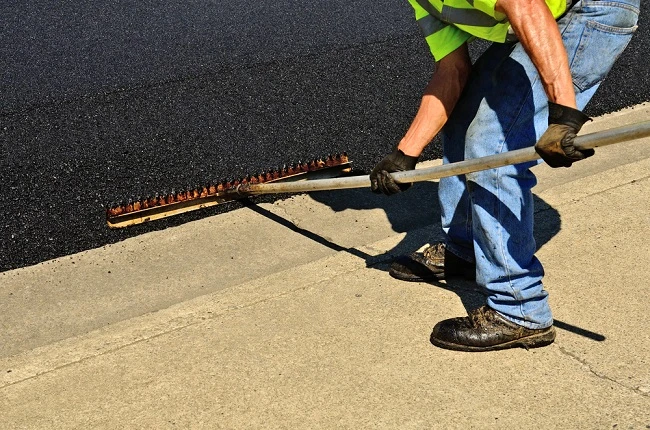
Asphalt Placement: Hot asphalt mix is delivered to the site and spread evenly over the prepared area using paving equipment. It is then compacted to achieve the desired thickness and density.
Compaction: Heavy rollers are used to compact the asphalt, ensuring proper density and a smooth surface. This process eliminates air voids and enhances the pavement's strength.
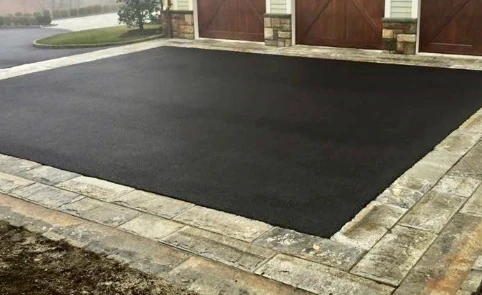
Finishing Touches: The edges of the asphalt pavement are finished with a border or curb, if desired. Any necessary adjustments are made to ensure a level and seamless transition.
5. Proper Maintenance of Asphalt Pavement
To ensure the longevity and optimal performance of asphalt pavement, proper maintenance is crucial:
Regular Cleaning: Sweep the pavement regularly to remove debris and prevent the buildup of leaves or other materials that can trap moisture and cause deterioration.
Sealcoating: Applying a sealant every few years helps protect the asphalt from oxidation, UV rays, and water penetration. This extends the lifespan of the pavement and enhances its appearance.
Crack Sealing: Promptly repair any cracks that appear on the surface to prevent water infiltration and further damage. Crack sealants are used to fill and seal the cracks, preserving the integrity of the pavement.
Routine Inspections: Regularly inspect the pavement for signs of damage, such as potholes or areas of deterioration. Address these issues promptly to prevent them from worsening.
Proper Drainage: Ensure that the pavement has proper drainage to prevent water from pooling on the surface. Clear any debris from drains and gutters to maintain efficient water flow.
6. Common Issues with Asphalt Pavement
Some common issues that may arise with asphalt pavement include:
Cracking: Cracks can occur due to factors such as age, heavy traffic, or freeze-thaw cycles. Prompt repairs and regular maintenance can help prevent further cracking.
Potholes: Potholes may form when water penetrates the pavement and weakens the underlying layers. Repairing potholes promptly helps maintain the integrity of the pavement and ensures safety for vehicles and pedestrians.
Raveling: Raveling refers to the disintegration of the asphalt surface, leading to a rough and deteriorated texture. Proper sealing and regular maintenance can help prevent raveling.
7. Enhancing the Appearance of Asphalt Pavement
Consider the following tips to enhance the appearance of asphalt pavement:
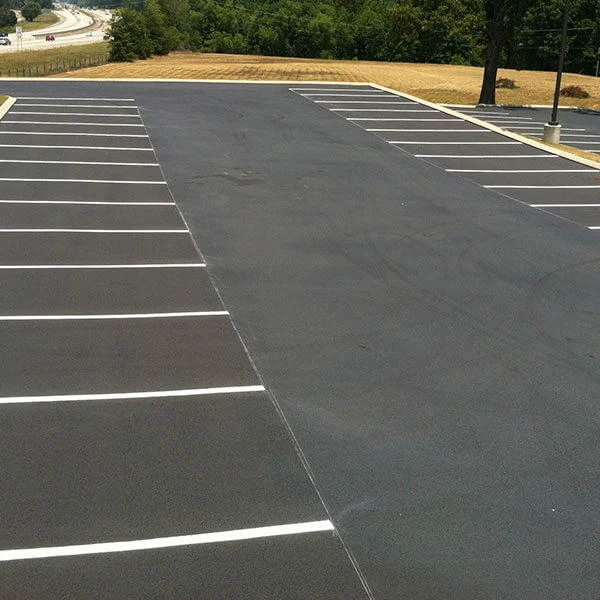
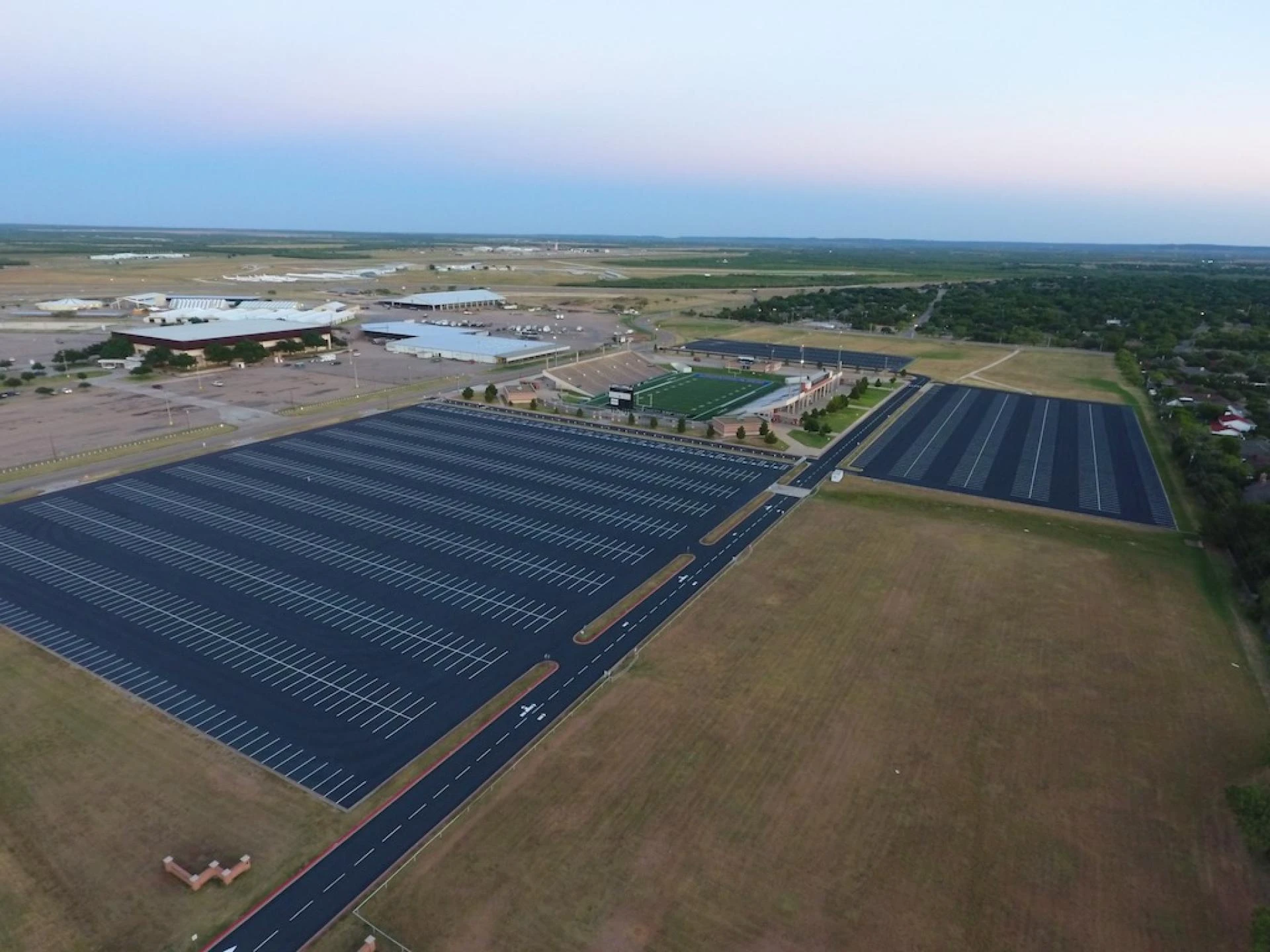
Line Striping: Freshly painted lines and markings can improve the visibility and organization of parking lots or roadways.
Landscaping: Adding landscaping features such as trees, shrubs, or flowers alongside the pavement can soften the overall look and create an aesthetically pleasing environment.
Lighting: Well-placed lighting fixtures can enhance safety and add a visually appealing element, especially for parking lots or pathways.
8. Cost of Asphalt Paving
The cost of asphalt paving varies depending on factors such as the area to be paved, accessibility, thickness of the asphalt layer, local material costs, and any additional features or repairs required. It is advisable to obtain quotes from reputable contractors to get an accurate estimate for your specific project.
9. Frequently Asked Questions (FAQs)
Q1. How long does asphalt pavement last? With proper installation and regular maintenance, asphalt pavement can last between 15 to 20 years or more.
Q2. Can damaged asphalt pavement be repaired? Yes, damaged asphalt pavement can be repaired. Cracks can be filled and sealed, and potholes can be patched to restore the integrity of the pavement.
Q3. How soon can asphalt pavement be used after installation? Asphalt pavement can typically be used within 24 to 48 hours after installation, depending on weather conditions and the thickness of the pavement.
10. Conclusion
Asphalt paving provides a durable, cost-effective, and visually appealing solution for various surfaces. By understanding the asphalt paving process, its benefits, and proper maintenance techniques, you can ensure the longevity and optimal performance of your asphalt pavement. Regular inspections, prompt repairs, and proactive maintenance will help preserve its functionality and enhance its appearance.






Sign in to leave a comment.