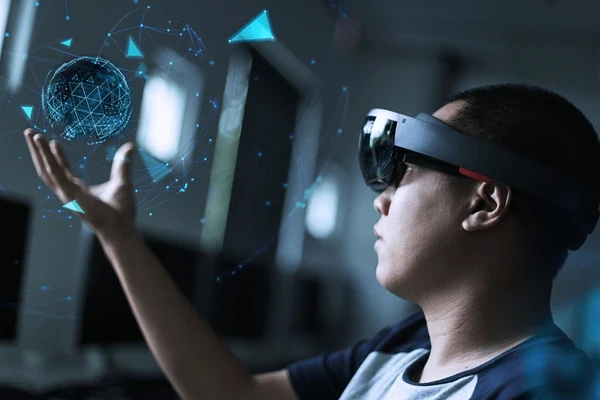

In recent years, technological advancements have significantly reshaped our daily lives, altering the way we work, learn, and interact with our environment. Among these innovations, Augmented Reality (AR) and Assisted Reality (aR) stand out as transformative technologies with wide-ranging applications across various sectors. While they share similarities, AR and aR serve distinct purposes and offer unique experiences. This blog explores the differences between these two technologies, their applications, and the profound impact they are having on the world.
Understanding Augmented Reality (AR)
Definition and Key Features
Augmented Reality (AR) refers to the technology that overlays digital information, such as images, videos, or 3D models, onto the real world. This blending of the virtual and physical worlds enhances the user’s perception of reality. AR can be experienced through various devices, including smartphones, tablets, AR glasses, and headsets. A great example is Realwear Navigator 520.
Key features of AR include:
Real-Time Interaction: AR allows users to interact with virtual elements in real time, creating an immersive experience.Contextual Information: AR can provide contextual information about the user’s environment, such as displaying navigation directions, identifying objects, or offering historical data about a location.Enhanced Visualization: AR enhances the visualization of complex data or concepts, making them more accessible and understandable.Applications of Augmented Reality
AR has found applications in numerous fields, transforming industries and improving the way we perform tasks. Some notable applications include:
Education: AR has revolutionized the educational landscape by providing interactive and engaging learning experiences. For instance, students can use AR apps to explore 3D models of the human body, historical artefacts, or scientific phenomena, making learning more engaging and memorable.Healthcare: In healthcare, AR is used for training medical professionals, aiding in surgical procedures, and enhancing patient care. Surgeons can use AR to visualize internal organs during operations, improving precision and outcomes. AR also helps in patient education by illustrating complex medical information in an easily understandable way.Retail and E-commerce: AR has transformed the retail industry by enabling virtual try-ons and product visualization. Customers can use AR apps to see how furniture would look in their homes or how clothes would fit them, leading to more informed purchasing decisions.Gaming and Entertainment: AR has become a popular tool in gaming and entertainment. Games like Pokémon GO have demonstrated the potential of AR to create immersive and interactive experiences that blend the digital and physical worlds.Real Estate and Architecture: AR is used in real estate to create virtual tours of properties, allowing potential buyers to explore homes remotely. Architects and designers also use AR to visualize building designs and make real-time adjustments.Understanding Assisted Reality (aR)
Definition and Key Features
Assisted Reality (aR), a form of Mixed Reality (MR), refers to the technology that provides contextual information to users without altering their perception of the real world. Unlike AR, which overlays digital elements onto the physical world, aR displays information non-intrusively, often through head-mounted displays (HMDs) or smart glasses.
Key features of aR include:
Information Overlay: aR provides relevant information to users without blocking their view of the real world. This can include text, images, or simple graphics displayed in the user’s field of vision.Hands-Free Operation: aR devices are typically hands-free, allowing users to access information while performing tasks. This is particularly useful in industries where workers need to keep their hands free from manual tasks.Context-Specific Assistance: aR can provide real-time, context-specific assistance, such as step-by-step instructions, maintenance guides, or safety alerts.Applications of Assisted Reality
aR is particularly valuable in scenarios where users need access to information without being distracted from their primary tasks. Some key applications include:
Industrial and Manufacturing: In industrial settings, aR devices provide workers with real-time instructions and information, improving efficiency and reducing errors. For example, aR can guide assembly line workers through complex procedures or alert them to potential hazards. A great example is CIMO by Moziware.Field Service and Maintenance: Technicians in the field can use aR to access technical manuals, diagrams, or live support from experts. This hands-free access to information streamlines maintenance and repair processes, reducing downtime and improving service quality.Healthcare and Medical Training: aR is used in healthcare for training and assisting medical professionals. For example, paramedics can receive real-time guidance during emergencies, while medical students can practice procedures using virtual patients.Logistics and Warehousing: aR assists warehouse workers by providing picking instructions, inventory information, and navigation aids. This enhances accuracy and efficiency in logistics operations.Military and Defense: aR is employed in military applications for training and situational awareness. Soldiers can receive real-time information about their environment, enhancing decision-making and safety.The Impact of AR and aR on the World
The adoption of AR and aR technologies is reshaping various aspects of our lives, offering new possibilities and improving existing processes. Here are some of the key impacts:
Enhanced Learning and Training: AR and aR have revolutionized education and training by making complex concepts more accessible and providing hands-on learning experiences. This has implications for a wide range of fields, from medicine to engineering to the arts.Improved Efficiency and Productivity: In industries like manufacturing, logistics, and healthcare, AR and aR streamline processes, reduce errors, and enhance productivity. This leads to cost savings, improved quality, and faster delivery of services.Greater Accessibility and Inclusion: AR and aR technologies can make information and experiences more accessible to people with disabilities. For example, AR can provide visual or auditory cues for those with impairments, enhancing their ability to interact with the world.Enhanced Customer Experiences: In retail and e-commerce, AR is transforming the customer experience by offering virtual try-ons, product visualization, and personalized recommendations. This not only enhances customer satisfaction but also reduces return rates and increases sales.New Forms of Entertainment and Engagement: AR is creating new forms of entertainment, from interactive games to immersive art installations. This is fostering creativity and offering novel ways for people to engage with content and each other.Challenges and Ethical Considerations: While AR and aR offer numerous benefits, they also raise ethical and privacy concerns. For example, the use of AR for surveillance or data collection could infringe on personal privacy. Additionally, there are concerns about the potential for addiction or overreliance on these technologies.The Future of AR and aR
As AR and aR technologies continue to evolve, their impact on the world is likely to grow even more profound. Future developments may include:
Advancements in Hardware: As AR and aR devices become more lightweight, comfortable, and affordable, their adoption is expected to increase. Improvements in display quality, battery life, and connectivity will also enhance the user experience.Integration with AI and IoT: The integration of AR and aR with artificial intelligence (AI) and the Internet of Things (IoT) will enable more sophisticated and context-aware applications. For example, AI-powered AR could provide real-time translations or object recognition, while IoT-connected devices could offer dynamic, location-based information.Expansion into New Sectors: AR and aR are likely to expand into new sectors, such as finance, agriculture, and tourism. For example, AR could be used to visualize financial data in real time, assist farmers with crop management, or provide tourists with augmented historical tours.Increased Collaboration and Remote Work: AR and aR can facilitate remote collaboration by providing virtual meeting spaces and real-time data sharing. This has the potential to transform the way we work, making remote work more efficient and interactive.Focus on Privacy and Ethics: As the use of AR and aR becomes more widespread, there will be an increased focus on privacy, security, and ethical considerations. This includes ensuring data protection, preventing misuse of the technology, and addressing potential psychological impacts.Conclusion
Augmented Reality and Assisted Reality are revolutionizing the way we interact with the world, offering new possibilities for education, healthcare, industry, and entertainment. By enhancing our perception of reality and providing real-time information, these technologies are improving efficiency, accessibility, and engagement across various sectors. As AR and aR continue to evolve, they will undoubtedly play an increasingly important role in shaping the future of our society. However, it is crucial to address the ethical and privacy challenges associated with these technologies to ensure that their benefits are realized responsibly and equitably.
































Sign in to leave a comment.