
In this article, we delve deep into how AR is transforming industries, its applications, and its profound impact on modern enterprises.
What is Industrial Augmented Reality?
Industrial Augmented Reality refers to the integration of AR technology into manufacturing, production, and service processes. By overlaying digital information, such as data, instructions, or visual guides, onto real-world environments, AR enhances human capabilities and improves operational performance.
Key features of industrial AR include:
- Real-Time Insights: Seamless access to live data directly on the production floor.
- Interactive Training Tools: Immersive learning experiences that reduce training time.
- Enhanced Collaboration: Remote assistance and communication through AR-powered platforms.
Benefits of Augmented Reality in Industrial Settings
1. Improved Operational Efficiency
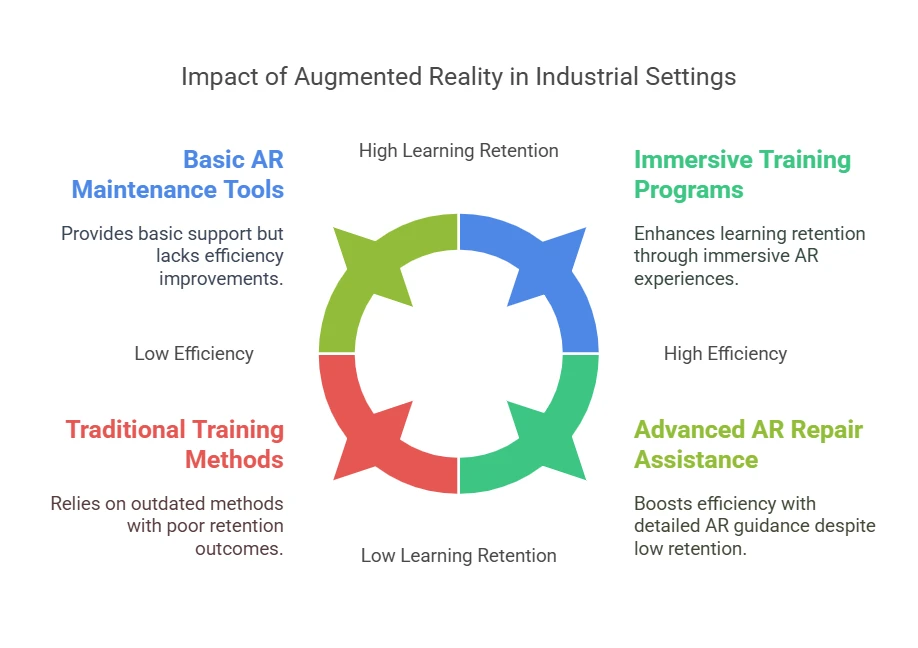
AR streamlines workflows by providing employees with precise, real-time information. Whether it’s assembly instructions, safety alerts, or maintenance guidance, workers can execute tasks with accuracy and minimal downtime.
- Guided Workflows: Step-by-step AR overlays reduce human error.
- Faster Maintenance: Visual diagnostics and troubleshooting tools expedite repairs.
- Optimized Inventory Management: AR integrates with IoT to provide instant inventory updates.
2. Enhanced Employee Training
Traditional training methods are resource-intensive and often inefficient. AR introduces dynamic, interactive training modules that are tailored to individual learning paces.
- Scenario-Based Learning: Simulate real-world challenges for hands-on training.
- Reduced Training Costs: Fewer physical resources are required for training sessions.
- Skill Retention: Engaging AR experiences improves information retention rates.
3. Superior Customer Experience
Industrial AR enables companies to deliver better service by empowering field technicians and improving customer interactions.
- Remote Assistance: AR-powered apps guide customers or technicians remotely.
- Customizable Solutions: AR adapts solutions to customer-specific environments.
- Reduced Downtime: Real-time problem-solving increases satisfaction and loyalty.
Key Applications of AR in Industry
1. Predictive Maintenance
With AR, maintenance teams can visualize equipment conditions and predict potential failures using data overlays from connected sensors. This proactive approach reduces unexpected downtimes and extends machinery lifespan.
2. Design and Prototyping
AR enhances design accuracy by overlaying virtual prototypes on physical components. Teams can visualize and modify designs in real time, accelerating product development cycles.
3. Quality Control and Inspection
Inspectors use AR to compare real-time production outputs with digital specifications, ensuring consistent quality standards.
4. Remote Collaboration
AR facilitates remote assistance, allowing experts to provide guidance without being physically present. This is particularly beneficial for geographically dispersed teams.
How AR Impacts Business Outcomes
- Increased Productivity: By reducing errors and improving task execution speed, AR significantly boosts workforce productivity.
- Cost Savings: AR lowers operational costs through efficient training, predictive maintenance, and reduced wastage.
- Competitive Advantage: Companies adopting AR gain a technological edge, attracting clients and outperforming competitors.
Implementation Challenges and Solutions
Although AR offers immense potential, its adoption comes with challenges:
- High Initial Costs: Developing AR solutions can be expensive. However, the long-term ROI often outweighs initial investments.
- Technical Expertise: Companies may face a shortage of skilled professionals. Partnerships with AR solution providers can address this gap.
- Data Security: As AR integrates with IoT, robust cybersecurity measures are crucial to protect sensitive data.
Future Trends in Industrial AR
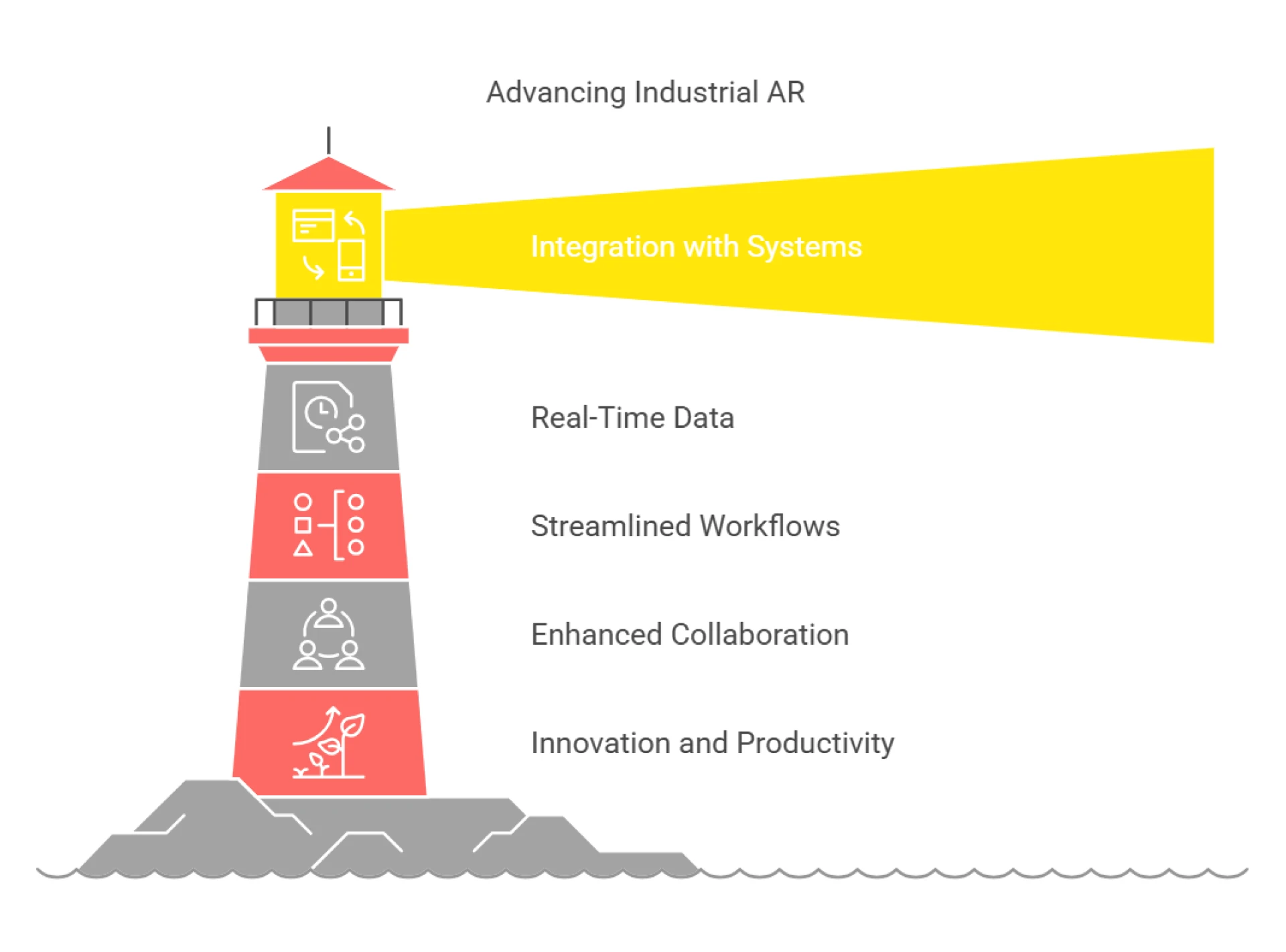
- AI-Enhanced AR: Integration of artificial intelligence to enable predictive analytics and advanced decision-making.
- 5G-Powered AR: Faster, low-latency networks will improve the reliability of AR applications.
- Scalable AR Solutions: Modular AR systems designed for businesses of all sizes.
Parting Words
Enterprise Augmented Reality is not just a technological innovation; it is a transformative force reshaping industrial processes. By embracing AR, organizations can unlock unprecedented levels of efficiency, safety, and customer satisfaction, ensuring they remain competitive in the evolving digital landscape.




Sign in to leave a comment.