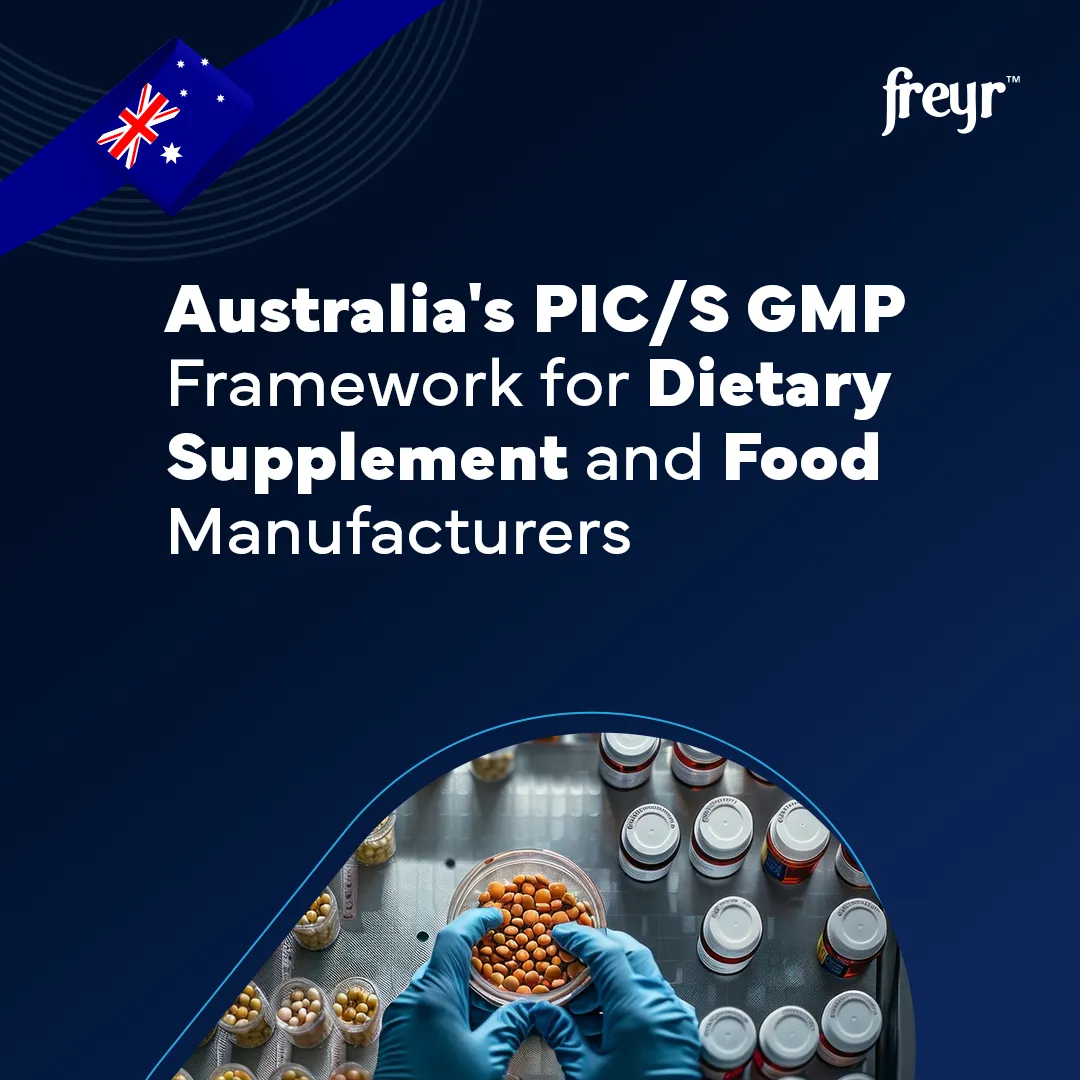

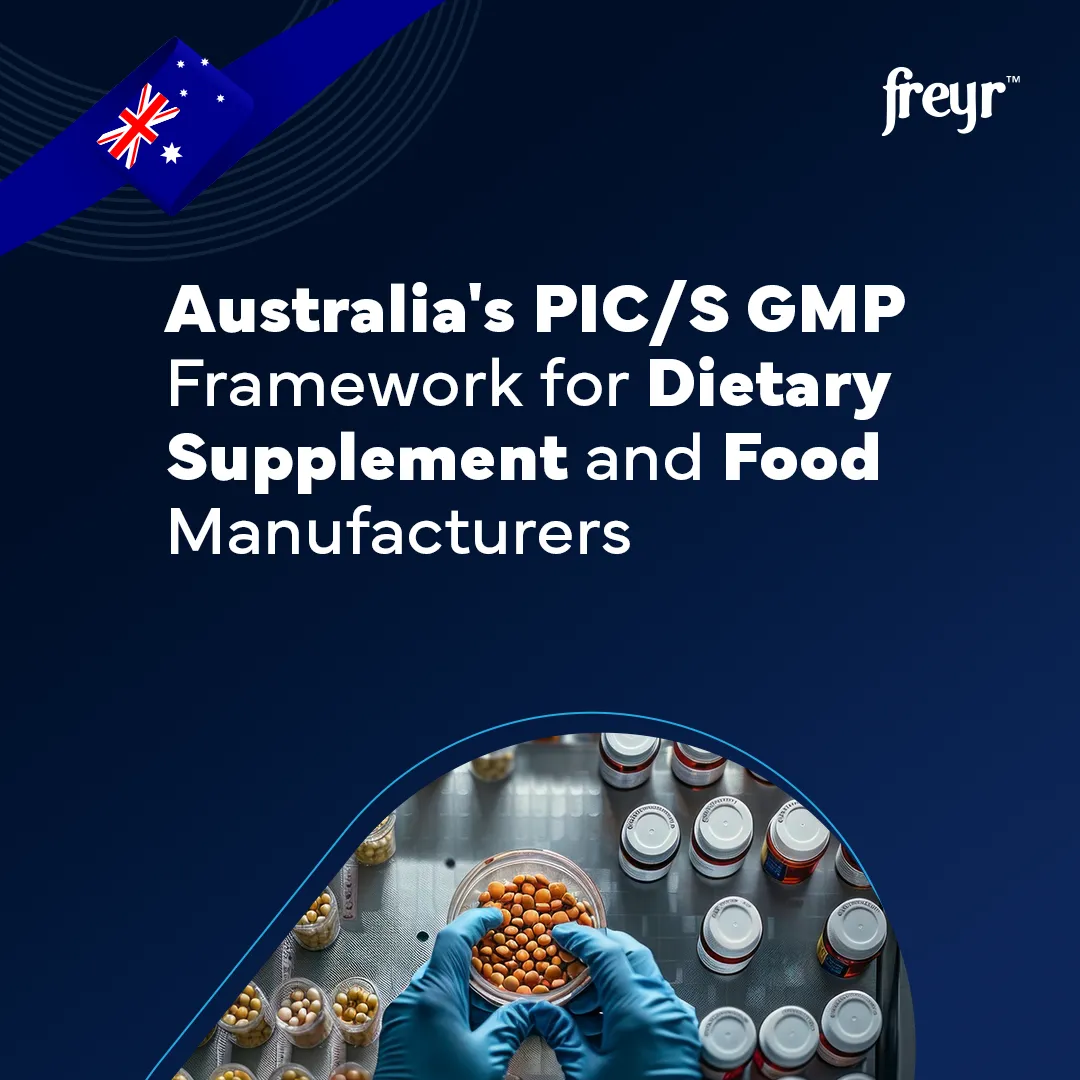
Selling Supplements in Australia? Why PIC/S GMP Rules Could Change Your Whole Playbook
If you're a dietary supplement or nutraceutical company looking at Australia as your next market, there's a regulatory reality worth understanding before you get too far into planning: Australia is one of the strictest health-product markets in the world, and a lot of that comes down to one framework — PIC/S GMP.
The Therapeutic Goods Administration (TGA) applies Pharmaceutical Inspection Co-operation Scheme (PIC/S) Good Manufacturing Practice standards to therapeutic goods, and that net is wider than most companies expect. Products that are sold as everyday supplements in the US, Europe, or Asia can be classified very differently once they cross into the Australian market — sometimes landing in the complementary medicine category, which comes with its own, tougher set of manufacturing and quality expectations.
This isn't just a pharma issue. It's a real consideration for anyone making dietary supplements, functional foods, botanicals, probiotics, sports nutrition, or immune-health products.
How Australia Decides What a Product "Is"
There's no single global standard for what counts as a supplement versus a therapeutic good — Australia makes that call based on its own criteria, including:
- What's actually in the product
- Whether it carries therapeutic or health claims
- How strong the dosage is
- How it's presented and what it's meant to be used for
- How it's manufactured and formulated
That means a product's classification isn't portable. Just because it's approved as a supplement somewhere else doesn't mean it will be treated the same way in Australia.
The Categories Most Likely to Get Caught Up in This
Companies working in the following areas should pay particularly close attention:
- Dietary supplements and food supplements
- Nutraceuticals
- Foods marketed with therapeutic-style claims
- Herbal and botanical products
- Probiotics
- Sports nutrition
- Immune support formulas
- Functional beverages with health claims
If your product touches any of these categories, it's worth running a classification check before you invest heavily in market entry.
What Higher Scrutiny Actually Looks Like
Australian regulators are tightening expectations across several fronts:
- Facilities need to demonstrate real GMP-aligned manufacturing controls, not just paperwork claiming compliance.
- Traceability systems must track raw materials, supplier qualifications, and ingredient verification with more rigor.
- Documentation has to support full batch-level traceability and consistent production history.
- Testing — identity, purity, contaminants, stability — is expected to be more robust.
- Supply chains, especially those sourcing globally, face more pressure to prove supplier compliance.
Companies relying on contract manufacturers or overseas ingredient suppliers are likely to feel this most.
The Risk of Assuming Your Existing Certifications Are Enough
One of the biggest missteps companies make is assuming a cGMP certificate from another region will transfer smoothly into Australia. It won't, automatically. Entering the market may require:
- Reassessing product classification
- Meeting new manufacturing compliance standards
- Providing fresh evidence of GMP alignment
- Handling heavier documentation requirements
- Absorbing delays during review or registration
- Reformulating due to ingredient restrictions
Food or Medicine? The Line Keeps Blurring
This challenge isn't unique to Australia, but it shows up clearly here: functional foods, fortified drinks, cognitive-health products, and metabolic-support formulas increasingly straddle the line between food and therapeutic product, especially as marketing claims get bolder.
Companies need to think through:
- How the product is formulated
- What the marketing and claims actually say
- The regulatory status of each ingredient
- Manufacturing quality requirements
- How Australia specifically will classify the product
Since classification happens case by case — based on composition, dosage, presentation, purpose, and claims — there's no shortcut. Misjudging this can mean compliance headaches or a blocked market entry altogether.
What's on the Line If You Get It Wrong
Skipping proper regulatory assessment isn't a minor risk. Companies that misjudge Australia's requirements can face:
- Import restrictions
- Enforcement actions
- Launch delays
- Recalls
- Compliance investigations
- Expensive reformulation
- Supply chain disruption
- Reputational damage
And because regulators globally are moving toward more harmonized standards, a compliance failure in Australia can have knock-on effects for expansion into other markets too.
Getting Ready the Right Way
Companies serious about entering the Australian market should start early with:
- A product classification assessment
- A review of ingredient regulatory status
- An audit of manufacturing quality systems
- A review of claims and labeling
- A check of supplier compliance documentation
- Stronger product traceability systems
- A clear regulatory pathway mapped out before launch
The earlier this work happens, the fewer surprises show up later.
Where Freyr Fits In
Successfully navigating Australia's market means understanding more than food law — it means knowing exactly where your product sits between food, dietary supplement, complementary medicine, and therapeutic good.
Freyr works with manufacturers on:
- Classification and regulatory pathway assessment
- Dietary supplement regulatory consulting
- Labeling and claims review
- Ingredient compliance checks
- Market-specific regulatory intelligence
- GMP gap assessments
- Regulatory documentation review
- Australia market-entry strategy
- Full-lifecycle compliance support
The Bottom Line
Australia's alignment with PIC/S GMP standards is part of a larger global shift toward stricter oversight of health products. For companies in the supplement, nutraceutical, and functional food space, compliance can't stop at formulation and labeling anymore.
As the boundaries between food, supplements, and therapeutic goods keep shifting, getting classification and manufacturing standards right — before you launch — is what separates a smooth market entry from a costly one. Working with experienced regulatory partners like Freyr can help you move through Australia's requirements with fewer surprises and a faster path to market.





























Sign in to leave a comment.