
Understanding Shopify API Integration
What is Shopify API?
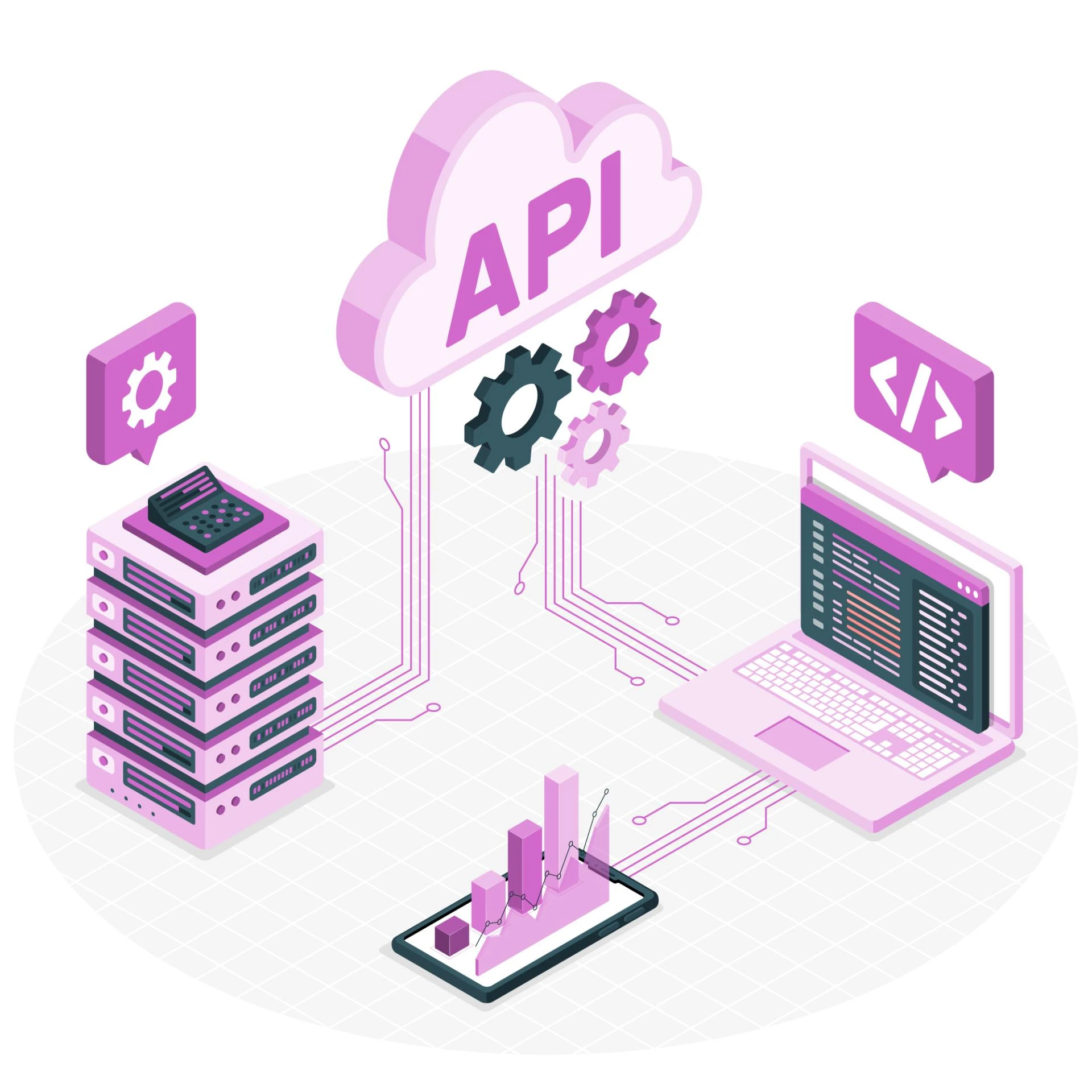
Shopify API (Application Programming Interface) is a set of rules and protocols that enable different software applications to communicate and interact with Shopify's platform. It allows developers to access and manipulate store data programmatically, making it a valuable tool for enhancing store functionality.
How Does Shopify API Work?
Shopify API follows RESTful principles, which means it uses standard HTTP methods (GET, POST, PUT, DELETE) to perform actions on resources like products, orders, customers, and more. Through API calls, external applications can retrieve and update data in a Shopify store.
The Power of Shopify API Integration
1. Streamlining Operations with Automated Workflows
Shopify API integration allows merchants to automate repetitive tasks and workflows, saving time and reducing the risk of human errors. For example, it enables automatic order fulfillment, inventory updates, and customer data synchronization across different systems.
2. Syncing Data and Inventory Across Platforms
Integrating Shopify API with other systems, such as inventory management or shipping platforms, ensures that data is consistent across all platforms. This sync ensures that merchants have real-time visibility into their inventory levels, reducing the risk of overselling or stockouts.
3. Enhancing Customer Experience
A seamless customer experience is crucial for e-commerce success. Shopify API integration enables personalized customer experiences by allowing merchants to access customer data and purchase history. This data can be used to offer personalized product recommendations and targeted marketing campaigns.
4. Expanding Sales Channels
Through Shopify API integration, merchants can connect their online store to various sales channels, such as social media platforms and marketplaces. This multi-channel approach expands the reach of the store, reaching a broader audience and increasing sales opportunities.
5. Customization and Flexibility
Shopify API offers a high level of customization and flexibility. Developers can create custom applications, plugins, and themes that meet specific business requirements, enabling merchants to tailor their store to their unique needs shopify api integration.
Popular Shopify API Integrations
Payment Gateways
Integrating popular payment gateways through Shopify API ensures secure and seamless transactions for customers.
Shipping and Fulfillment Platforms
By connecting shipping and fulfillment platforms, merchants can automate the shipping process and provide accurate shipping rates to customers.
Accounting and ERP Software
Integrating accounting and Enterprise Resource Planning (ERP) software streamlines financial processes, such as bookkeeping, invoicing, and inventory management.
Marketing Automation Tools
Shopify API integration with marketing automation tools allows merchants to run targeted email marketing campaigns and customer loyalty programs.
Best Practices for Shopify API Integration
Plan and Prioritize
Identify your integration needs and prioritize the most critical aspects of your business that require automation.
Choose Reliable Integration Partners
Select reputable integration partners and ensure they have experience in Shopify API integration.
Test Thoroughly
Conduct extensive testing before deploying any integration to ensure data accuracy and smooth operation.
Stay Updated
Keep track of updates and changes in Shopify API to ensure ongoing compatibility with your integrated systems.
Conclusion
Shopify API integration has transformed the e-commerce landscape by enabling seamless data exchange and automation between different systems. With the power to streamline operations, enhance customer experiences, and expand sales channels, Shopify API empowers merchants to thrive in the competitive e-commerce industry. By embracing API integration and following best practices, merchants can create a cohesive and efficient e-commerce ecosystem that drives growth and success.










Sign in to leave a comment.