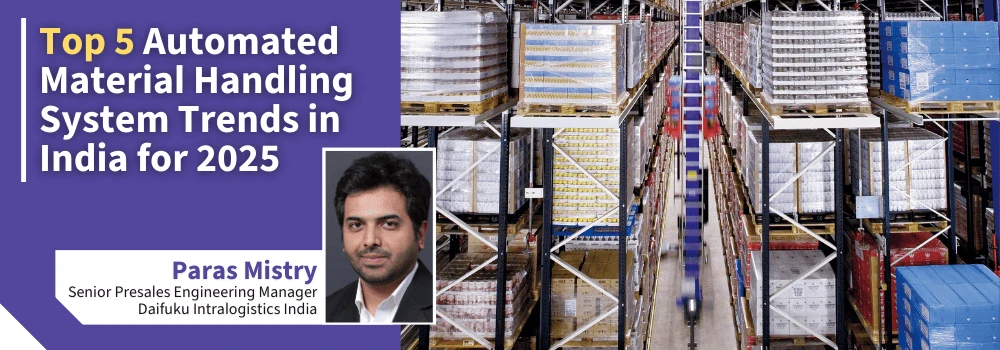

The Future of Efficiency: How an Automated Material Handling System Transforms Modern Warehousing
In today’s fast-paced industrial landscape, efficiency, precision, and scalability define business success. Organizations across sectors are adopting advanced logistics technologies to improve productivity and reduce reliance on humans. Among these innovations, an automated material handling system (AMHS) stands out as a transformative solution, reshaping how materials move within factories and warehouses.
What Is an Automated Material Handling System?
An automated material handling system integrates mechanical equipment, robotics, and intelligent software to transport, store, and retrieve materials with minimal human effort. It typically includes conveyors, automated guided vehicles (AGVs), robotic arms, and storage systems coordinated by advanced control software. The primary goal is to ensure smooth material flow, minimize downtime, and enhance overall operational efficiency.
Unlike manual handling, which can be prone to errors, delays, and safety concerns, an automated system provides accuracy, speed, and traceability — essential for modern logistics and manufacturing environments.
Core Components of AMHS
- Conveyors and Sortation Systems – These move items seamlessly through the production or warehouse floor, ensuring steady and organized product flow.
- Automated Storage and Retrieval Systems (AS/RS) – High-density storage units that automatically place and retrieve goods, maximizing space utilization and inventory accuracy.
- Robotic Systems – Robotic arms and AGVs perform precise movements such as picking, stacking, and transporting materials safely and efficiently.
- Control Software and IoT Integration – Centralized systems track materials in real time, optimize routes, and collect data for predictive maintenance and performance analysis.
Key Benefits of Automation in Material Handling
- Increased Throughput
- Automated systems ensure continuous movement of materials, eliminating bottlenecks and manual slowdowns. This leads to faster order fulfillment and better production efficiency.
- Reduced Labor Costs
- By automating repetitive and physically demanding tasks, companies can focus their workforce on skilled, value-added operations while minimizing labor costs.
- Enhanced Accuracy and Safety
- Human errors in handling are minimized, reducing product damage and workplace accidents. Automation ensures precision and consistency across all operations.
- Optimized Space Utilization
- With compact storage systems and vertical automation, warehouses can efficiently use available space, lowering operational costs and improving accessibility.
- Sustainability and Energy Efficiency
- Many modern AMHS solutions incorporate energy-efficient motors, smart sensors, and AI-driven control systems that help reduce waste and optimize power usage.
Implementation Challenges and Considerations
While AMHS brings immense benefits, implementation requires careful planning. High initial investment, system compatibility with existing processes, and workforce adaptation are key considerations. However, when strategically deployed, the long-term cost savings, accuracy improvements, and enhanced productivity far outweigh the setup challenges.
Regular maintenance, staff training, and continuous system upgrades also ensure optimal performance and longevity of automated equipment.
Shaping the Future of Logistics
The rise of e-commerce, rapid order fulfillment demands, and smart manufacturing have made automation indispensable. An advanced automated material handling system not only improves operational efficiency but also creates a future-ready infrastructure that can adapt to market changes and scale effortlessly.
By integrating robotics, IoT, and data-driven intelligence, businesses can streamline supply chain operations, cut costs, and maintain a competitive edge in the evolving industrial landscape. In essence, automation in material handling is no longer a luxury — it is a strategic necessity for the modern era of logistics and production.








Sign in to leave a comment.