

If your warehouse still relies on hand taping, manual strapping, and stretch-wrap “by feel,” you’re paying a hidden tax every single day—wasted film, inconsistent load security, slow cycle times, and fatigued teams. The packaging line is often the last place leaders look for gains, yet it’s the easiest area to standardise, measure, and improve with modern automation. Done right, it turns a bottleneck into a quiet, predictable engine.
This post breaks down a pragmatic path to upgrading: where to start, how to size the payback, and which machines deliver the biggest impact with the least disruption.
Start with the pallet, not the product
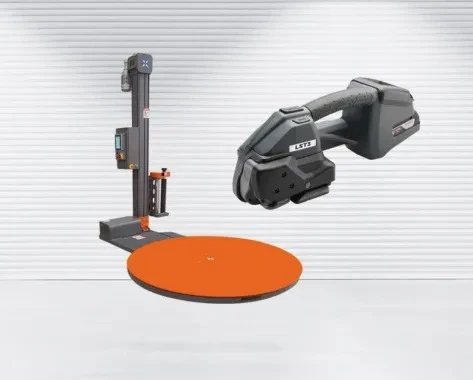
Most cost and risk lives at pallet level. Transit damage, toppled loads, and over-wrapping are pallet problems. That’s why many teams begin with an automatic pallet wrapping machine.
What changes on day one? Consistency. Pre-set recipes eliminate the guesswork—film tension, wrap count, and overlap are controlled automatically for every load size you run. That consistency has three ripple effects:
- Lower film usage: No more “better add another lap just in case.”
- Fewer transport issues: Stable loads mean fewer claims and less rework on arrival.
- Happier operators: Wrapping shifts from a strenuous task to a simple, safe routine.
Look for features like load-height sensing, variable pre-stretch, and soft-start/stop to protect fragile corners. If you’re measuring before/after, track wraps per hour, film grams per pallet, and damage rate—those three KPIs will tell you the story fast.
Then seal the outbound volume
Once pallets are stable, shift attention to cartons. Carton sealing is the classic “small inefficiency multiplied by thousands.” Manually applying tape introduces two problems: wasted tape from over-application and seals that don’t hold up under vibration or temperature swings.
A box sealing machine fixes both. With guided infeed and consistent pressure, you get clean, centred seals that look professional and survive the journey. Operators love that it reduces repetitive wrist movement; supervisors love that line speed becomes predictable. Pair it with a case erector as volumes climb, and you’ll free people for exceptions and QA—where human judgment actually adds value.
Lock down heavy or irregular loads
Even perfectly wrapped pallets can need extra containment—think dense cartons, drums, timber, or mixed SKUs that settle. That’s where fully automatic strapping machines earn their keep.
Automated strapping ensures uniform tension and precise seal quality every time, without the variability (and physical strain) of hand tools. You’ll see the benefit most on awkward loads, where corner protection and strap placement matter. For ROI, measure re-straps required per shift, strap metres per pallet, and the time from infeed to release. Cutting 30–60 seconds per pallet adds up shockingly fast across a shift.
Build a simple, modular roadmap
You don’t need a moon-shot redesign. The highest-leverage approach is modular:
- Stabilise: Bring in pallet wrapping to normalise load quality.
- Standardise: Add carton sealing to remove tape variability at scale.
- Reinforce: Layer in strapping for heavy or mixed pallets.
- Integrate: As volumes grow, connect stations with conveyors and print/apply labels for traceability.
Each step stands alone, delivers measurable payback, and sets you up for the next gain without risking the whole line.
What about sustainability?
Automation is often the fastest way to hit sustainability targets without compromising protection. Pre-stretched film and consistent recipes reduce plastic by double-digit percentages; correctly set tape heads eliminate tails and double-taping; right-sized strapping minimises waste while improving containment. The outcome: less material in the bin and fewer damaged goods in transit—both genuine environmental wins.
Calculating ROI (without spreadsheets that scare people)
Here’s a plain-English model you can run in an afternoon:
- Labour: Minutes saved per unit × units per shift × labour cost.
- Materials: Current average usage per unit vs. machine-controlled usage × material cost.
- Quality: Current damage/return rate × value per unit × reduction after automation.
- Safety/ergonomics: Fewer repetitive-strain tasks = fewer incidents and absentee days (your HR team has those numbers).
Most sites see payback on a wrapper inside 6–12 months, carton sealers even faster, and strapping machines depending on the mix of heavy loads. The intangible bonus: calmer shifts and cleaner audits.
Implementation tips your team will thank you for
- Pilot on one SKU family first. Quick wins build buy-in.
- Document machine “recipes.” Laminated cards at the station stop drift.
- Train line leads, not just operators. Resets and minor tweaks happen faster.
- Service cadence matters. Preventive checks beat emergency downtime every time.
- Measure three KPIs per cell. Throughput, material per unit, rework rate—keep it simple and visible.
Real-world results you can expect
After a month, teams usually report:
- Smoother end-of-shift flow (less catching up on wrap/strap backlog).
- Noticeably cleaner presentation on outbound cartons and pallets.
- Reduced film and tape orders (procurement will notice first!).
- Fewer “please re-wrap” or “strap again” call-backs from dispatch.
Six months in, you’re typically ready to standardise settings across SKUs and consider light integration—print/apply labels, weigh stations, or in-line dimensioning.
The right partner matters
Equipment is only half the story. You want application expertise, operator training, and fast support when you need it. For Australian operations, Gateway Packaging is a trusted partner that supplies the machines, the consumables, and the hands-on guidance to set stable standards and keep lines running.
Bottom line
Automation isn’t about replacing people—it’s about removing the grind so people can do higher-value work. Stabilise pallets, standardise carton seals, and reinforce heavy loads. Do it in modules, measure what matters, and let the gains compound. Your customers get intact goods, your team gets safer work, and your P&L gets a quiet boost every shift.





























Sign in to leave a comment.