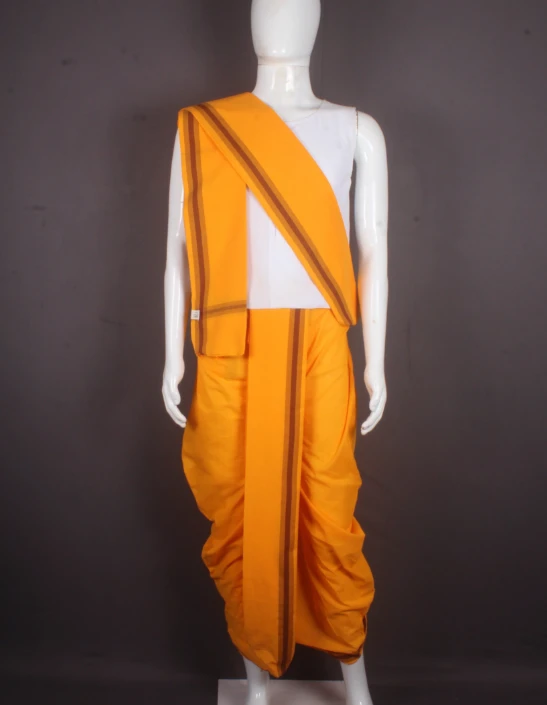
Buying a Jain dhoti dupatta online should be simple, but many shoppers end up confused about sizing, fabric, authenticity, and overall suitability. Jain traditional wear holds cultural and spiritual value, so choosing the wrong piece often leads to discomfort or return, especially if the purchase is meant for a pooja, parna, tapasvi event, or a special family occasion.
Brands like Shramdaan offer thoughtfully crafted Jain dhoti dupatta readymade sets, but knowing what to look for can help buyers make more confident, mistake-free decisions.
Below are six of the most common mistakes people make and how to avoid them.
1. Ignoring the Difference Between Readymade and Unstitched Sets
One of the biggest mistakes is not checking whether the product is readymade or unstitched.
Why it matters
- Unstitched dhotis require draping skills, time, and precision.
- Readymade dhoti dupatta sets come pre-stitched with adjustable knots or elastic, making them ideal for daily pooja, temple visits, or rituals where convenience matters.
Many shoppers mistakenly order an unstitched cloth thinking it's ready to wear. This leads to last-minute stress during rituals or events.
Shramdaan clearly labels their Jain dhoti dupatta readymade options, making it easier for customers to order the right style. Always check this before purchasing.
2. Not Checking the Fabric Type and Comfort Level
Jain dhoti dupatta sets are worn for long hours during religious practices, so the fabric must be soft, breathable, and skin-safe.
Common issues buyers face:
- Fabric that’s too thick feels hot during pooja
- Synthetic blend causes discomfort or itching
- Low-quality cotton shrinks after one wash
How to avoid this
Look for:
- 100% cotton or handloom cotton
- Soft, breathable weaves
- Lightweight fabric suitable for Indian climates
Shramdaan uses handwoven, skin-friendly cotton that stays comfortable even through long rituals like Ekasana, Paryushan, Samayik, and Tapasya routines.
3. Overlooking the Sizing and Length Specifications
Dhoti length varies significantly. Many people assume dhotis are “one size fits all” but they’re not.
Mistakes buyers usually make:
- Ordering a size too short, making draping uncomfortable
- Choosing a free-size option without checking height compatibility
- Not checking the dupatta length, which should ideally fall below the knee
What to do instead
Always check:
- Waist range
- Dhoti length (important if you're above 5'8")
- Dupatta length and width
- Whether the dhoti has a drawstring, elastic, or adjustable panel
Shramdaan provides detailed size charts to reduce guesswork.
4. Forgetting to Verify Stitching, Hemming, and Finish Quality
A Jain dhoti dupatta set looks simple but the finishing matters a lot.
Poor finishing can lead to:
- Threads opening up after 1–2 wears
- Uneven hemlines
- Dhoti losing shape after washing
- Dupatta edges fraying
To avoid disappointment, check:
- Close-up product photos
- Hemming details
- Whether the dhoti is double-stitched
- Reviews mentioning durability
Shramdaan’s dhoti dupatta sets are known for clean stitching, pre-washed cotton, and long-lasting finishing details.
5. Choosing Designs That Don’t Align with Jain Ritual Requirements
Jain dhoti dupatta sets have specific cultural expectations. Buyers unfamiliar with Jain rituals often choose styles that aren’t appropriate.
Common design mistakes:
- Choosing bright, flashy colours
- Buying sets with prints or embellishments
- Taking shiny or synthetic dupattas
- Purchasing trendy dhoti silhouettes instead of traditional cuts
What’s recommended for Jain wear
- Plain white dhoti dupatta
- Subtle handwoven details
- No heavy prints or decorations
- Clean, minimal, spiritual-friendly aesthetics
Shramdaan consciously designs their Jain sets using simple, pure-white cotton that aligns perfectly with Jain values of purity and minimalism.
6. Ignoring Delivery Timelines and Washing Instructions Before an Occasion
Many customers buy a Jain dhoti dupatta set for a specific event like parna, chauvihaar, pooja, or a family ceremony. But ignoring delivery timelines or wash care can cause last-minute problems.
What goes wrong
- Product arrives late
- Shrinkage due to first wash
- Colour variation (usually minimal but possible in handloom items)
What to do
- Always check estimated delivery when ordering online
- Wash handloom cotton gently before the first wear
- Read care instructions (cold wash, mild detergent, shade dry)
Shramdaan usually dispatches fast, but it’s still wise to order early, especially during festival seasons.
Final Thoughts
Buying the right Jain dhoti dupatta set online doesn’t have to be confusing. By understanding the difference between readymade and unstitched sets, checking fabric quality, ensuring correct sizing, assessing finishing details, and choosing traditional, ritual-friendly designs, you can avoid the most common mistakes buyers face.
Shramdaan makes the process easier by offering handloom cotton, artisan-made Jain dhoti dupatta readymade sets that are comfortable, simple, and crafted with cultural authenticity. Their commitment to craftsmanship and clarity helps customers shop with confidence.
If you're looking for a comfortable, minimal, and spiritually aligned Jain dhoti dupatta, explore Shramdaan’s collection today and choose a set that feels right for every ritual, occasion, or daily prayer.























Sign in to leave a comment.