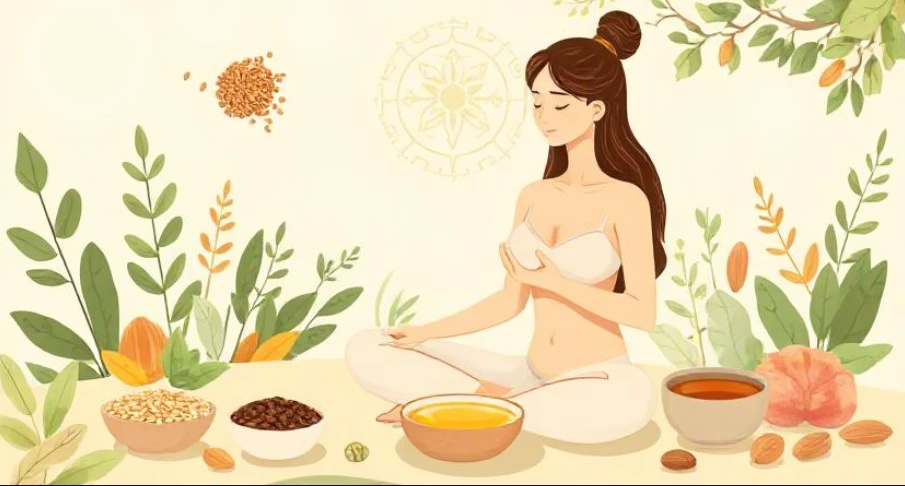

Many women explore natural ways to support the firmness and health of their breasts. Ayurveda, an ancient system of wellness from India, offers a holistic approach that focuses on balancing the body from within. This practice uses specific herbs, dietary adjustments, and lifestyle routines to promote tissue nourishment and overall vitality. If you are curious about how this time-tested system views breast health, this guide will explore Ayurvedic principles and herbs that may support your goals.
Understanding Ayurveda and Breast Tissue Health
Ayurveda is based on the idea of balancing three fundamental energies, or doshas: Vata, Pitta, and Kapha. These doshas govern all physical and mental processes in the body. When they are in harmony, we experience health. When they are out of balance, issues can arise.
Breast tissue is primarily composed of fatty tissue (Meda Dhatu) and lymphatic tissue (Rasa Dhatu). According to Ayurveda, the health and appearance of the breasts depend on the nourishment of these tissues. A balanced diet, good digestion (Agni), and proper hormonal function all contribute to well-formed tissues. An imbalance, particularly in the Vata and Kapha doshas, can affect tissue tone and firmness.
The Role of Ayurvedic Herbs in Breast Health
Ayurveda utilizes a rich variety of botanicals to support female health. These herbs are thought to work in several ways, such as by providing phytoestrogens (plant-based compounds that mimic estrogen), improving nutrient delivery to tissues, and supporting hormonal balance. While modern clinical research is still catching up to centuries of traditional use, these herbs form the basis of many wellness practices. It is important to approach this as supportive care, not as a replacement for medical advice.
Key Herbs for Breast Support
Certain herbs are traditionally recognized for their beneficial properties in supporting female wellness and tissue health.
Shatavari (Asparagus racemosus)
Often called the "Queen of Herbs" for female health, Shatavari is a powerful adaptogen. It is traditionally used to support the female reproductive system, balance hormones, and promote lactation. Its phytoestrogen content is believed to help in nourishing and toning breast tissue.
Fenugreek (Trigonella foenum-graecum)
Fenugreek seeds are a well-known galactagogue, meaning they can help increase milk production in nursing mothers. They also contain diosgenin, a phytoestrogen that may support the fullness and firmness of the breasts.
Fennel (Foeniculum vulgare)
Like Fenugreek, Fennel seeds have been used for generations to support lactation and female health. They contain natural plant compounds that are believed to have mild estrogen-like effects, potentially contributing to tissue health.
Ashwagandha (Withania somnifera)
This renowned adaptogenic herb helps the body manage stress. By lowering cortisol levels, Ashwagandha can indirectly support healthy hormonal balance. It also promotes strength and vitality, which contributes to overall tissue tone and health throughout the body.
Licorice (Glycyrrhiza glabra)
Licorice root contains compounds that can influence the body's hormonal pathways. It is often included in formulations to help balance estrogen levels and support adrenal health, which is crucial for overall hormonal harmony.
Pueraria tuberosa (Vidarikand)
Known in Ayurveda as a rejuvenative tonic, Pueraria tuberosa is traditionally used for its nourishing properties. It is believed to support tissue growth and vitality, making it a popular ingredient in Ayurvedic medicine for breast Enhancement.
Common Ayurvedic Formulations and How to Use Them
These herbs can be found in various forms, allowing you to choose what best fits your lifestyle.
Breast Growth Oil
Topical application is a cornerstone of Ayurvedic wellness. A high-quality breast growth oil is typically made with a base oil like sesame or coconut, infused with a blend of the herbs mentioned above. Massaging the oil into the breasts in a circular motion (a practice called Abhyanga) can improve circulation, promote lymphatic drainage, and help deliver the herbal properties directly to the tissues. This daily ritual can also help you become more familiar with your own body.
Breast Growth Capsule
For internal support, herbs are often processed into powders and placed in capsules. A breast growth Capsule provides a convenient and precise way to consume a blend of botanicals. These formulations are designed to work from within, nourishing the Rasa and Meda tissues and supporting hormonal balance. Taking a breast growth Capsule is an easy addition to a daily supplement routine.
Powders (Churnas) and Teas
Herbs can also be taken as a powder mixed with warm water or honey, or steeped into a tea. This method is very traditional and allows for direct absorption. You might find single herbs like Shatavari powder or blends designed for female wellness.
Creating a Holistic Home Routine
Ayurveda emphasizes that herbs work best when combined with a supportive lifestyle.
- Diet: Focus on a diet rich in whole foods, healthy fats (like ghee, avocado, and nuts), and phytoestrogen-rich foods such as flax seeds and soy. Proper hydration is also essential for healthy tissue.
- Massage (Abhyanga): Dedicate 5-10 minutes each day to massaging your breasts with a high-quality breast growth oil. Use gentle, circular motions, moving clockwise and then counter-clockwise.
- Posture and Exercise: Strengthening your pectoral muscles through exercises like push-ups, chest presses, and plank can improve the appearance of your bust by providing a stronger foundation. Maintaining good posture also helps lift the chest.
- Choose Quality Products: When selecting an ayurvedic medicine for breast enlargement or any herbal product, look for brands that use standardized extracts, test for purity, and follow Good Manufacturing Practices (GMP). Always patch-test new oils on a small area of skin first.
Important Considerations and When to See a Professional
While these herbs have a long history of use, they are not suitable for everyone.
- Who should avoid them? Pregnant or breastfeeding women should avoid most of these herbs unless cleared by a healthcare provider. Individuals with hormone-sensitive conditions should also exercise caution and seek medical advice.
- Consult a Professional: It is always best to consult with an Ayurvedic practitioner or a healthcare professional before starting any new supplement, including breast growth medicine. They can help you determine the right approach for your unique body and health status.
A Balanced Approach to Natural Beauty
Ayurveda offers a gentle and holistic path for women seeking to support their natural firmness and breast health. By combining the internal nourishment from a breast growth medicine or capsule with the external care of a massage oil, you can create a comprehensive routine. Remember that consistency is key, and true wellness comes from balancing your mind, body, and spirit.
Embrace these ancient practices as a way to connect with and honor your body.
Frequently Asked Questions (FAQs)
Q: How long does it take to see results with Ayurvedic herbs?
A: Results vary depending on the individual's constitution, lifestyle, and consistency. Generally, it may take at least 3-6 months of consistent use alongside a healthy diet and lifestyle to notice changes.
Q: Are there any side effects?
A: When used appropriately, these herbs are generally considered safe for most people. However, some individuals might experience digestive upset or allergic reactions. It's crucial to start with a low dose and consult a professional.
Q: Can I use these methods to increase my cup size?
A: Ayurvedic approaches focus on nourishing, toning, and firming existing breast tissue rather than significantly increasing size. The goal is to enhance the health and natural shape of your breasts.











Sign in to leave a comment.