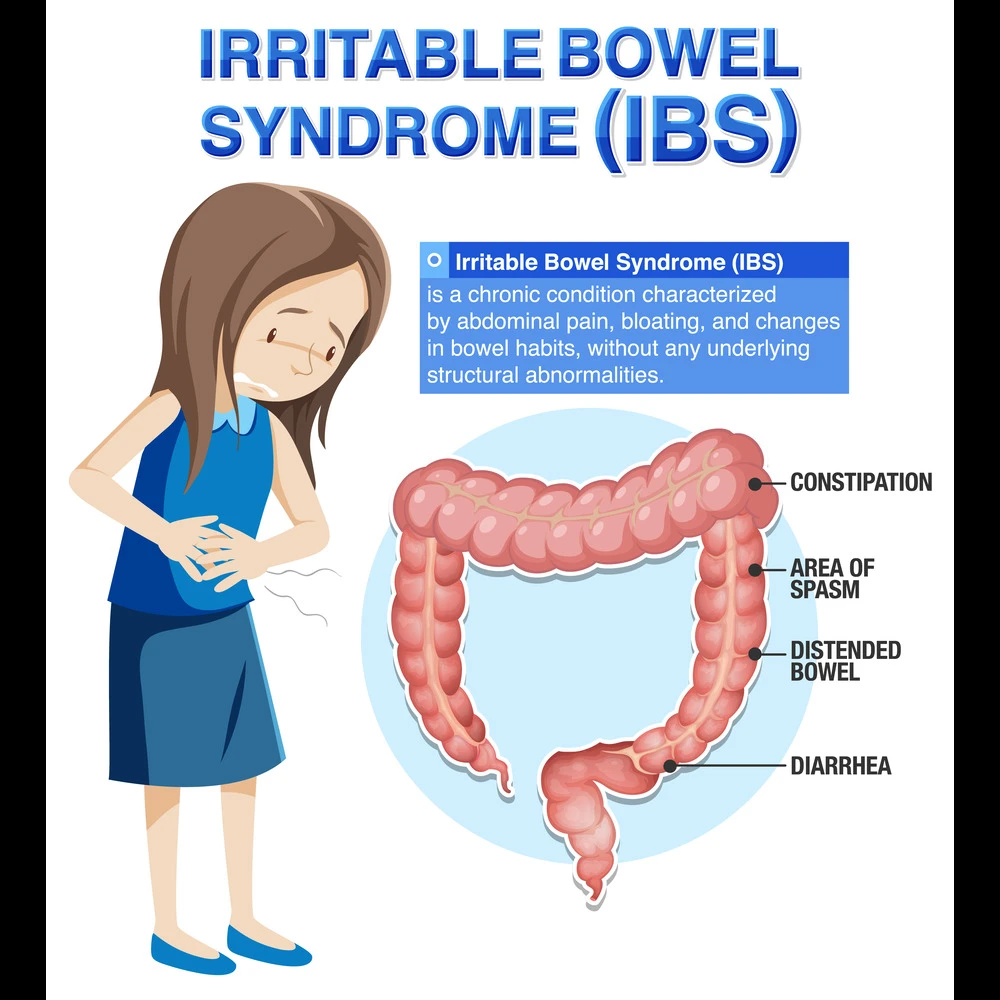

Irritable Bowel Syndrome (IBS) is a chronic gastrointestinal disorder characterized by abdominal pain, bloating, and altered bowel habits. While modern medicine offers various treatments, many people turn to Ayurveda for a holistic and natural approach. Ayurveda, an ancient system of medicine from India, emphasizes balance and harmony in the body, mind, and spirit. It offers unique insights and treatments for managing IBS effectively.
Understanding IBS in Ayurveda
In Ayurveda, IBS is known as Grahani, which is primarily related to the dysfunction of the digestive system, governed by the Agni (digestive fire). When Agni is imbalanced, it leads to improper digestion and absorption, causing the symptoms of IBS. According to Ayurvedic principles, IBS is associated with imbalances in the Vata, Pitta, and Kapha doshas.
Ayurvedic Diagnosis of IBS
An Ayurvedic practitioner diagnoses IBS by evaluating the patient’s dosha constitution (Prakriti) and the nature of the imbalance (Vikriti). This involves a thorough examination, including:
- Pulse Diagnosis (Nadi Pariksha)
- Tongue Examination
- Stool Analysis
- Detailed Patient History
Ayurvedic Treatment Principles
The treatment of IBS in Ayurveda focuses on restoring the balance of doshas and strengthening the digestive fire (Agni). This holistic approach includes:
- Diet (Ahara)
- Lifestyle Modifications (Vihara)
- Herbal Remedies (Dravyas)
- Panchakarma (Detoxification Therapies)
Dietary Recommendations
- Vata-predominant IBS: Warm, cooked foods that are easy to digest, such as soups, stews, and porridges. Avoid raw, cold, and dry foods.
- Pitta-predominant IBS: Cooling foods like cucumbers, melons, and leafy greens. Avoid spicy, acidic, and fried foods.
- Kapha-predominant IBS: Light, dry, and warm foods. Avoid dairy, heavy, and oily foods.
General dietary tips include:
- Eat at regular intervals.
- Avoid overeating and eating late at night.
- Incorporate digestive spices like ginger, cumin, and fennel.
Lifestyle Modifications
- Regular Exercise: Yoga, walking, and light aerobic activities help maintain balance.
- Stress Management: Practices such as meditation, pranayama (breathing exercises), and mindfulness reduce stress, a common trigger for IBS.
- Routine: Maintaining a consistent daily routine supports digestive health.
Herbal Remedies
- Triphala: A combination of three fruits (Amalaki, Bibhitaki, and Haritaki) that helps regulate bowel movements and improve digestion
 .
. - Ashwagandha: Reduces stress and supports overall well-being.
- Bilva: Useful in managing diarrhea-predominant IBS.
- Shunthi (Ginger): Aids digestion and reduces gas and bloating.
Panchakarma Therapies
Panchakarma, a detoxification process in Ayurveda, helps remove toxins (Ama) from the body and restore dosha balance. Key therapies include:
- Vamana (Therapeutic Emesis): Induced vomiting to cleanse the upper gastrointestinal tract.
- Virechana (Purgation): Induced bowel movements to cleanse the lower gastrointestinal tract.
- Basti (Enema Therapy): Herbal enemas to cleanse and nourish the colon.
- Shirodhara: A stress-relief therapy involving pouring warm herbal oil on the forehead.
Conclusion
Ayurveda offers a comprehensive and natural approach to managing IBS. By addressing the root cause of the imbalance and incorporating personalized dietary, lifestyle, and herbal treatments, individuals can achieve lasting relief from IBS symptoms. If you are considering Ayurvedic treatment for IBS, consult with a qualified Ayurvedic practitioner to develop a customized plan tailored to your unique constitution and needs.
Embrace the wisdom of Ayurveda for a balanced and harmonious digestive health journey!
Read More: https://lifeavedahealth.com/blogs/health/irritable-bowel-syndrome-ibs











Sign in to leave a comment.