
Introduction
The rapid advancement of artificial intelligence (AI) and machine learning (ML) is transforming industries across the globe. Microsoft Azure, a leading cloud platform, offers powerful AI and ML services that are revolutionizing how businesses operate and innovate. This technological shift has created a burgeoning demand for professionals with specialized skills in Azure AI and ML. In this blog, we will explore the top skills in demand for the modern workforce, focusing on how Azure's AI and ML capabilities are shaping the job market.
Understanding Azure AI and Machine Learning
Azure AI encompasses a suite of services and tools designed to help developers and data scientists build, train, and deploy AI models. Azure Machine Learning is a key component, providing a robust platform for managing the end-to-end machine learning lifecycle. It supports a wide range of ML tasks, from data preprocessing and model training to deployment and monitoring.
Key Features of Azure AI and Machine Learning:
Azure Machine Learning Studio: A collaborative, drag-and-drop environment for building, testing, and deploying machine learning models.Azure Cognitive Services: APIs that enable applications to see, hear, speak, understand, and interpret human needs through natural methods of communication.Azure Bot Services: Tools for building intelligent, enterprise-grade bots.Azure AI Infrastructure: Scalable compute, networking, and storage resources tailored for AI workloads.Top Skills in Demand for Azure AI and Machine Learning Professionals
1. Proficiency in Programming Languages
A strong foundation in programming languages is essential for AI and ML professionals. Python is the most widely used language in the field due to its simplicity and the extensive range of libraries and frameworks available, such as TensorFlow, PyTorch, and Scikit-learn. R is also popular for statistical analysis and data visualization. For Azure specifically, knowledge of SQL for database management and C# for integrating with other Microsoft services can be beneficial.
2. Understanding of Machine Learning Algorithms
A deep understanding of machine learning algorithms is crucial. This includes knowledge of supervised and unsupervised learning techniques, such as regression, classification, clustering, and neural networks. Professionals should be adept at selecting the appropriate algorithm for a given problem, tuning hyperparameters, and evaluating model performance.
3. Experience with Azure Machine Learning Studio
Azure Machine Learning Studio is a key tool for developing ML models on Azure. Professionals should be proficient in using the studio to create and manage machine learning workflows. This includes data ingestion, preprocessing, model training, validation, and deployment. Familiarity with AutoML (automated machine learning) within Azure can also be advantageous, as it helps streamline model selection and optimization.
4. Data Engineering Skills
Data engineering skills are essential for managing the data pipeline that feeds into AI and ML models. This involves extracting, transforming, and loading (ETL) data from various sources, ensuring data quality, and implementing scalable data storage solutions. Knowledge of Azure Data Factory, Azure Databricks, and Azure Synapse Analytics is particularly valuable for building and managing data pipelines in the Azure ecosystem.
5. Knowledge of Azure Cognitive Services
Azure Cognitive Services provide pre-built APIs for tasks such as natural language processing (NLP), image recognition, and speech synthesis. Professionals should be familiar with these services and understand how to integrate them into applications to enhance functionality and user experience.
6. DevOps and MLOps Practices
DevOps practices, combined with machine learning operations (MLOps), are critical for the continuous integration, delivery, and deployment of AI models. Skills in version control (e.g., Git), containerization (e.g., Docker), orchestration (e.g., Kubernetes), and CI/CD pipelines are essential. Azure DevOps and Azure Machine Learning Pipelines are key tools for implementing these practices in the Azure environment.
7. Cloud Infrastructure Management
Managing cloud infrastructure is a fundamental skill for Azure AI and ML professionals. This includes provisioning and managing virtual machines, configuring networking and security settings, and optimizing resource utilization. Knowledge of Azure's compute, storage, and networking services is crucial for building and scaling AI solutions efficiently.
8. Analytical and Problem-Solving Skills
Analytical and problem-solving skills are indispensable for AI and ML professionals. They need to be able to interpret complex data, identify patterns, and derive actionable insights. These skills are also essential for troubleshooting issues that arise during model development and deployment.
9. Business Acumen
Understanding the business context in which AI and ML solutions are deployed is critical. Professionals should be able to align technical solutions with business objectives, communicate the value of AI initiatives to stakeholders, and drive data-driven decision-making processes.
10. Continuous Learning and Adaptability
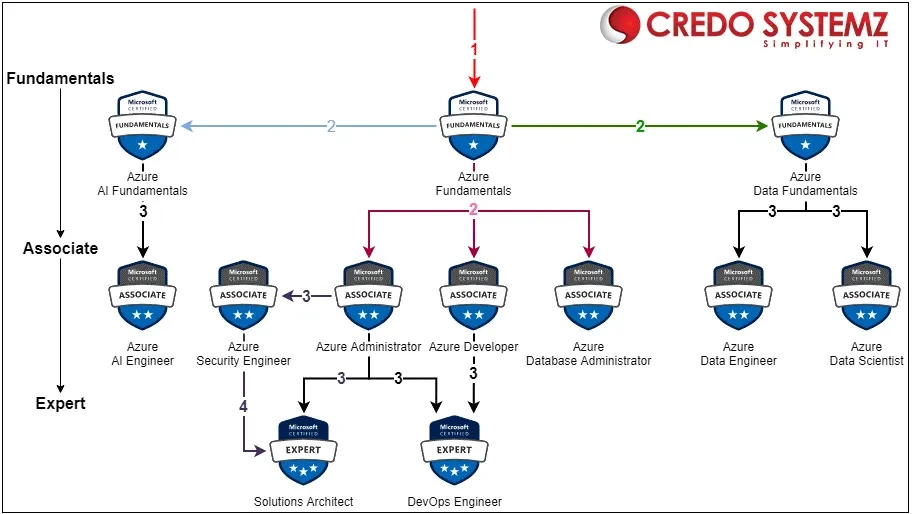
The field of AI and ML is rapidly evolving, with new techniques, tools, and best practices emerging regularly. Professionals must commit to continuous learning, staying updated with the latest developments in the industry. This can involve taking online courses, attending conferences, participating in professional networks, and obtaining relevant certifications, such as the Microsoft Certified: Azure AI Engineer Associate.
Conclusion
The demand for Azure AI and machine learning professionals in India is on the rise, driven by the increasing adoption of cloud-based AI solutions across industries. Acquiring the skills mentioned above can significantly enhance employability and open up lucrative career opportunities in this dynamic field. As businesses continue to leverage Azure's AI and ML capabilities to drive innovation and efficiency, the need for skilled professionals will only grow. By staying abreast of the latest trends and continuously honing their skills, aspiring AI and ML professionals can position themselves for success in the modern workforce











Sign in to leave a comment.