
Technology roles keep multiplying, but so do the degree options claiming to prepare students for them. That makes choosing the right one harder than it should be.
A Bachelor of Science in Information Technology remains one of the most practical paths into tech careers, mainly because it balances technical skill-building with real-world application. Unlike narrower computer science tracks, it often covers networking, systems administration, cybersecurity basics, and software fundamentals together.
Understanding what this degree actually involves and how it differs from similar programs helps students avoid picking a path based on assumptions rather than facts. That distinction matters more once graduation arrives and job applications start.
What This Degree Actually Covers
Many students assume an IT degree is just a lighter version of computer science. That's not quite accurate.
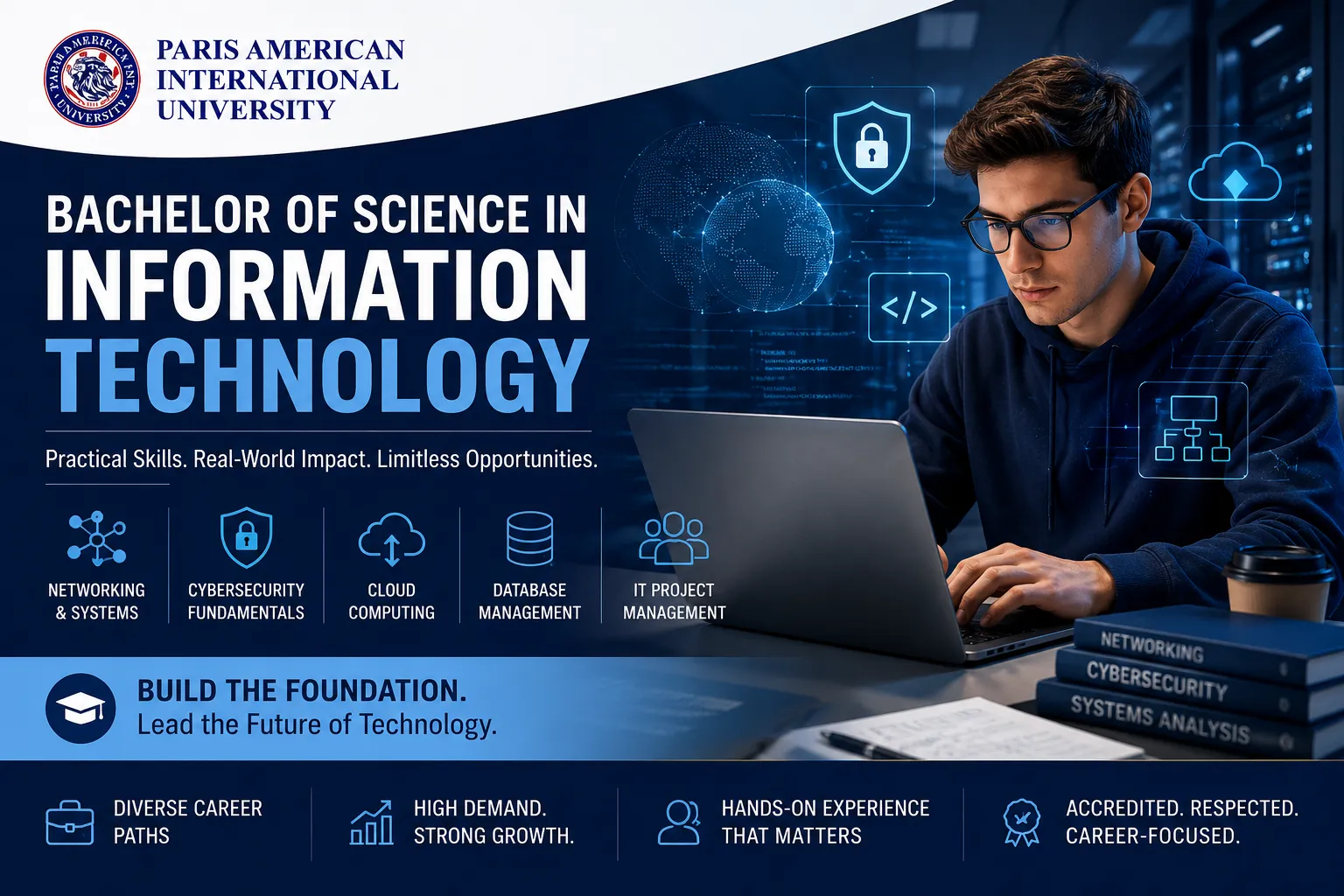
A typical curriculum blends theory with hands-on technical training, usually covering:
- Network design and system administration
- Database management and basic programming
- Cybersecurity fundamentals and risk management
- IT project management and systems analysis
- Cloud computing basics and infrastructure concepts
Computer science tends to focus more heavily on algorithms and software theory. Information technology leans toward applying existing systems effectively, which suits students aiming for operational or infrastructure-focused roles rather than software development alone.
How a BSc Degree in Information Technology Differs From Certifications
Short certifications like CompTIA or Cisco credentials are useful, but they usually validate narrow, specific skills. A BSc degree in Information Technology offers something broader.
Degree programs typically include:
- A structured, multi-year curriculum covering multiple IT domains
- General education courses that build communication and analytical skills
- Capstone projects or internships that simulate real workplace scenarios
- Recognized accreditation that certifications alone don't always carry
Certifications work well as supplements after graduation, especially for specializing further. But most employers still view a full degree as the stronger foundation, particularly for management-track roles.
Career Paths That Open Up After Graduation
One reason this degree stays popular is the range of roles it qualifies graduates for, rather than locking them into one narrow job title.
Common career paths include:
- Network administrator or systems analyst
- IT support specialist transitioning into infrastructure roles
- Junior cybersecurity analyst
- Database administrator
- IT project coordinator
Salary and demand vary by region and specialization, but IT roles generally show stable growth due to how deeply technology is embedded across nearly every industry now, from healthcare to retail logistics.
What Employers Actually Look For Beyond the Degree
A diploma alone rarely closes a job offer. Employers consistently mention practical experience and demonstrable skills as deciding factors, even when comparing candidates with similar degrees.
Students who stand out during hiring usually have:
- Internship or co-op experience during their studies
- A portfolio of small projects, even personal ones, showing applied skills
- Familiarity with widely used tools like SQL, basic scripting languages, or common networking software
- Strong communication skills, since IT roles increasingly require explaining technical issues to non-technical teams
This is why programs that include internships or project-based coursework tend to produce graduates who transition into jobs faster.
Choosing the Right Program: Questions Worth Asking
Not every program structured around information technology delivers the same value. Some lean heavily academic with little hands-on exposure, while others are the opposite.
Before enrolling, it helps to ask:
- Does the curriculum include current technologies, or does it feel outdated?
- Are there opportunities for internships, labs, or applied projects?
- What do recent graduates say about their job search experience?
- Is the program accredited by a recognized educational body?
Institutions like Paris American International University structure their technology programs around this balance, combining foundational coursework with practical exposure so students aren't left guessing how theory applies once they start working.
Why Practical Exposure Matters More Than Theory Alone
Technology changes quickly, and coursework that stays purely theoretical risks falling behind industry needs. Programs that regularly update content based on current tools tend to produce more job-ready graduates.
This is one area where smaller, adaptable institutions sometimes outperform larger ones that update curriculum slowly due to bureaucratic layers.
Is This Degree Still Worth Pursuing Today
Given how quickly technology shifts, some students wonder if a four-year degree still makes sense compared to faster certification routes.
For most students aiming at long-term career growth, especially into management or specialized technical leadership, the degree still holds clear advantages. It provides breadth that narrow certifications can't replicate, along with credibility that many employers still weigh heavily during hiring decisions.
Paris American International University offers a structured path for students who want that broader foundation without sacrificing practical, applicable skills along the way. That combination tends to serve students well whether they enter the workforce immediately or pursue further specialization later.
Choosing a Bachelor of Science in Information Technology ultimately comes down to matching personal career goals with a program that takes both theory and real-world application seriously. Skip that alignment, and even a strong degree can end up feeling like a missed opportunity. Get it right, and it becomes a foundation that keeps paying off for years.























Sign in to leave a comment.