
Most people will deal with back pain at some point. It might start as a dull ache after a long day sitting at a desk, or it could hit suddenly when lifting something heavy. Either way, the question is always the same: will this go away on its own, or is something more serious going on?
The tricky thing about back pain is that it covers a huge range of problems. A tight muscle after gardening is very different from a disc that has shifted out of place. Both hurt, both slow a person down, but the treatment for each one looks completely different. Understanding what might be happening in the spine is the first step toward getting the right help.
What Is Actually Happening in the Spine
Think of the spine like a stack of building blocks with small cushions between each one. Those cushions are the discs, and they act as shock absorbers. Every time a person walks, bends, or twists, the discs absorb force and distribute it evenly. They are tough, but they are not indestructible.
Over time, or after a sudden injury, a disc can start to push outward from its normal position. When the outer layer weakens but the disc stays somewhat intact, that is often called a bulging disc. When the outer layer actually tears and the softer inside material pushes through, that becomes what many people refer to as a slipped disc. Both conditions can press on nearby nerves, which is where the real discomfort begins — pain shooting down a leg, numbness in the feet, or a constant burning sensation in the lower back.
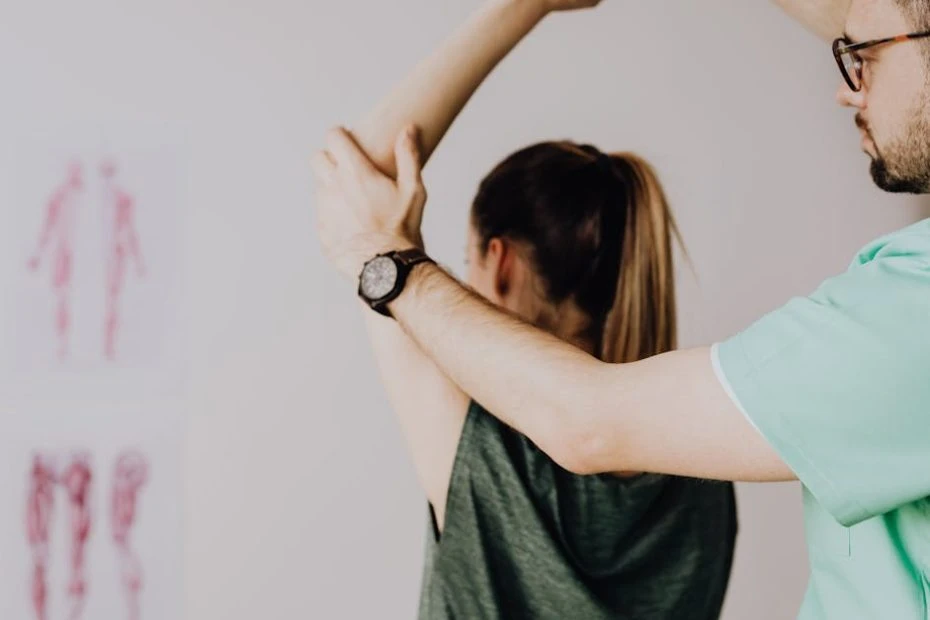
A physio Clondalkin residents visit regularly can assess exactly what type of disc issue is present and build a plan around it. The key is getting that assessment early rather than waiting for things to get worse.
Common Signs That Back Pain Needs Professional Attention
Not every sore back requires a clinic visit. Mild stiffness that clears up in a day or two after rest is usually nothing to worry about. But there are clear signals that something deeper is going on.
Pain that travels down one or both legs is a red flag. This often means a nerve is being compressed, and that compression rarely resolves without targeted treatment. Tingling, numbness, or weakness in the legs or feet falls into the same category.
If back pain has lasted longer than two weeks without improvement, that is another strong indicator. The body is good at healing minor strains, so persistent pain suggests the problem needs more than rest. Seeking out a Clondalkin physio at that stage can prevent a manageable issue from becoming a chronic one.
Morning stiffness that takes more than 30 minutes to shake off, pain that wakes a person up at night, or difficulty standing upright after sitting — all of these point toward something that benefits from a professional assessment.
How Physiotherapy Helps With Disc Problems
Physiotherapy for disc-related back pain is not just about lying on a table and having someone press on the sore spot. It is a structured process that combines hands-on treatment with movement-based rehabilitation.
The first stage is usually about reducing pain and inflammation. Manual therapy techniques — gentle mobilisation of the joints, soft tissue work on the surrounding muscles — can relieve strain on the affected area. This gives the body space to start its own healing process.
Once the acute pain settles, the focus shifts to strengthening. The muscles around the spine act like guy ropes holding up a tent. When those muscles are weak or imbalanced, the spine takes on more load than it should. Targeted exercises rebuild that support system so the disc is protected going forward.
For people dealing with more serious disc compression, spinal decompression therapy can be a game-changing option. This approach uses controlled traction to gently stretch the spine, creating a vacuum effect within the disc. That vacuum can encourage a bulging or herniated disc to retract, relieving strain on the nerve and reducing pain significantly.
Understanding Slipped Discs and Treatment Options
The term “slipped disc” gets thrown around a lot, but discs do not actually slip in and out of place. What happens is that the disc material herniates — it pushes through a weak point in the outer ring and can press against spinal nerves. The result is often sharp, localised pain combined with referred pain that radiates into the buttock or down the leg.
Slipped disc treatment typically begins with conservative care. Research consistently shows that the majority of disc herniations respond well to physiotherapy without the need for surgery. The body can actually reabsorb herniated disc material over time, and physiotherapy supports that natural process by maintaining mobility and building strength.
Treatment plans usually include a combination of manual therapy, specific stabilisation exercises for the deep core muscles, and gradual return to normal activities. A good therapist will also look at what caused the problem in the first place — posture habits, movement patterns at work, or sport-related demands — and address those root causes.
When a Bulging Disc Is the Culprit
Bulging discs are more common than most people think. In fact, many people walk around with bulging discs and feel no pain at all. The disc only becomes a problem when it pushes far enough to irritate a nerve or when the surrounding muscles cannot compensate for the structural change.
Symptoms of a problematic bulging disc often include a deep ache in the lower back that gets worse with sitting, bending forward, or coughing. Some people notice that standing and walking actually feels better, because those positions reduce the load on the disc.
Effective bulging disc treatment focuses on two things: reducing the bulge through positioning and decompression techniques, and preventing it from getting worse through targeted strengthening. Extension-based exercises — where the spine bends gently backward — can help push disc material back toward the centre, which is why many therapists prescribe specific movements that a person can do at home between sessions.
The Role of Movement in Recovery
One of the biggest mistakes people make with back pain is stopping all movement. It feels logical — if something hurts, rest it. But the spine actually needs controlled movement to heal properly. Lying in bed for days on end leads to muscle wasting, joint stiffness, and often makes the pain worse in the long run.
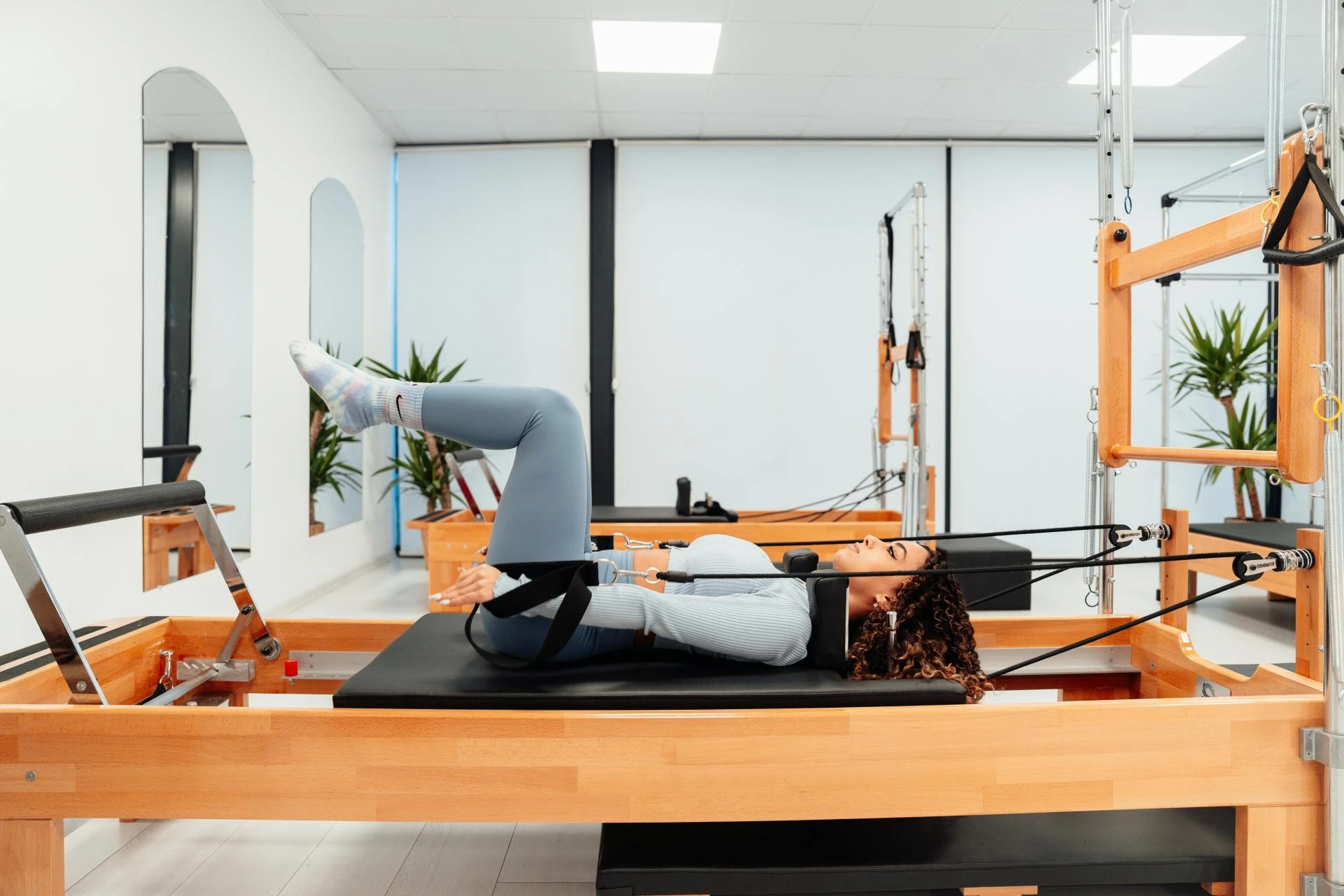
Think of it like a rusty hinge. The fix is not to stop using the door — it is to oil the hinge and keep it moving. Walking is one of the best things a person can do during back pain recovery. It gently activates the stabilising muscles, promotes blood flow to the injured area, and keeps the joints from seizing up.
A physio in Clondalkin can provide a customised movement programme that respects the current level of pain while steadily pushing toward full function. The balance between doing too much and too little is different for every person, which is why generic advice from the internet often falls short.
Preventing Future Episodes
Getting out of pain is only half the battle. The other half is making it less likely to come back. Recurrence rates for back pain are high — some studies suggest that up to 70% of people who experience significant back pain will have another episode within a year if they do not change anything.
Prevention comes down to a few practical habits. Regular movement throughout the day matters more than one intense gym session per week. Sitting for hours without a break puts sustained load on the discs, so setting a timer to stand and move every 30 to 45 minutes makes a real difference.
Core strength is not about six-pack muscles. The deep stabilisers — the transverse abdominis, the multifidus along the spine, the pelvic floor — are the ones that protect the back during daily tasks. Learning to activate these muscles properly, and then building their endurance, is one of the most effective long-term strategies.
Lifting technique matters too. Keeping the load close to the body, bending at the hips and knees rather than rounding the back, and avoiding twisting under load are simple principles that prevent a lot of disc injuries.
Getting Started With the Right Support
Back pain does not have to be something a person just puts up with. Whether the issue is a nagging ache that will not quit or a diagnosed disc problem causing nerve pain, there are proven treatment paths that get people back to full activity. The important thing is not to wait until the problem is severe before seeking help — early intervention almost always leads to faster, more complete recovery.

































Sign in to leave a comment.