
Introduction
Is there anything better than sitting around a campfire after a long day of hiking, fishing, or exploring the great outdoors? However, for many of us, the idea of a satisfying and tasty meal cooked in the backcountry can be intimidating, especially if you're new to outdoor cooking. That's where backcountry cuisine comes into play. By learning about the art of outdoor cooking and discovering new camping meals and techniques, you can elevate your wilderness cooking experience and make your time in nature even more enjoyable. In this article, we'll dive into the world of backcountry cuisine and teach you how to create delicious and memorable meals on your next camping or backpacking trip.
What is Backcountry Cuisine?
Backcountry cuisine is the art of cooking and preparing meals in wilderness settings, such as on camping or backpacking trips. This can involve a variety of cooking techniques and equipment, from using a lightweight backpacking stove to mastering the art of campfire cooking. As more and more people venture into nature to reconnect and recharge, the interest in creating delicious and satisfying meals in the great outdoors has grown significantly. Exploring the world of backcountry cuisine is not just about satisfying hunger – it's also about embracing the challenge of cooking in a unique environment and deepening your relationship with nature.
Essential Outdoor Cooking Equipment
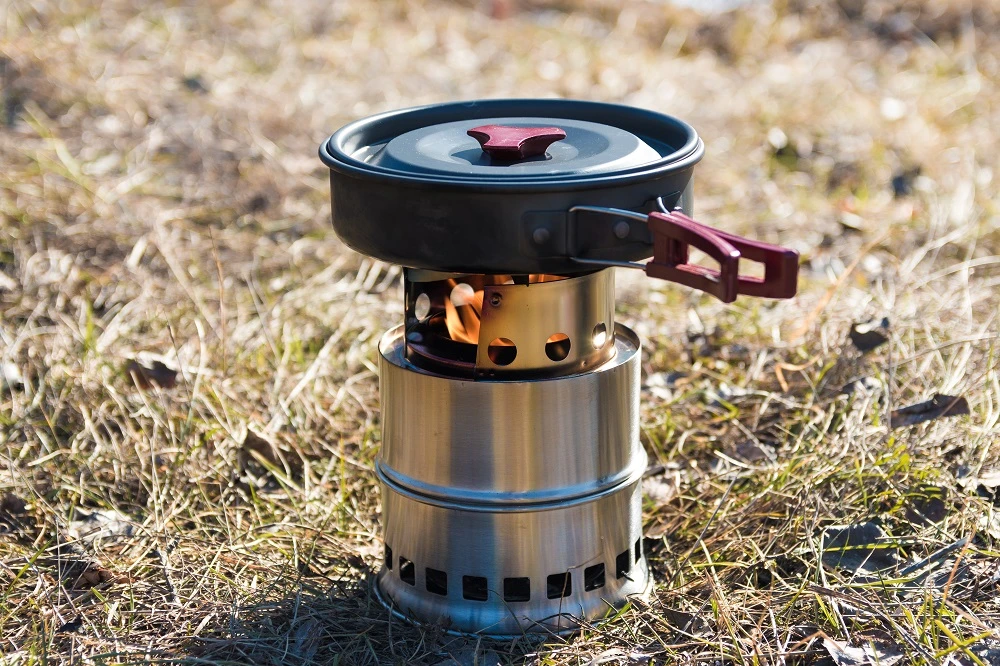
When it comes to backcountry cuisine, having the right tools for the job is crucial. Here's a list of essential outdoor cooking equipment that every outdoor kitchen should include:
Backpacking stove or portable camp stove: Having a dependable, lightweight stove is a must for any backpacking or camping trip.Cookware: Consider investing in a set of lightweight, durable cookware that's easy to clean and made for outdoor use. This includes pots, pans, and a kettle.Utensils: Bring along essential utensils like long-handled spoons, a sturdy spatula, and a chef's knife for chopping and dicing ingredients.Cutting board: A small, lightweight cutting board is an essential tool for prepping ingredients and keeping your cooking area clean.Eating utensils: Don't forget to pack a fork, spoon, and knife for each person on your trip.Insulated food container: A vacuum-sealed container can be used to keep hot meals warm until you're ready to eat.Food storage bags or containers: Use resealable bags or reusable containers to keep your ingredients organized and fresh.Water treatment: Ensure you have a reliable method for purifying water, especially if you're cooking with untreated water from nature.Popular Cooking Techniques for the Backcountry
There are several cooking methods that work well in the great outdoors. Some popular techniques include:
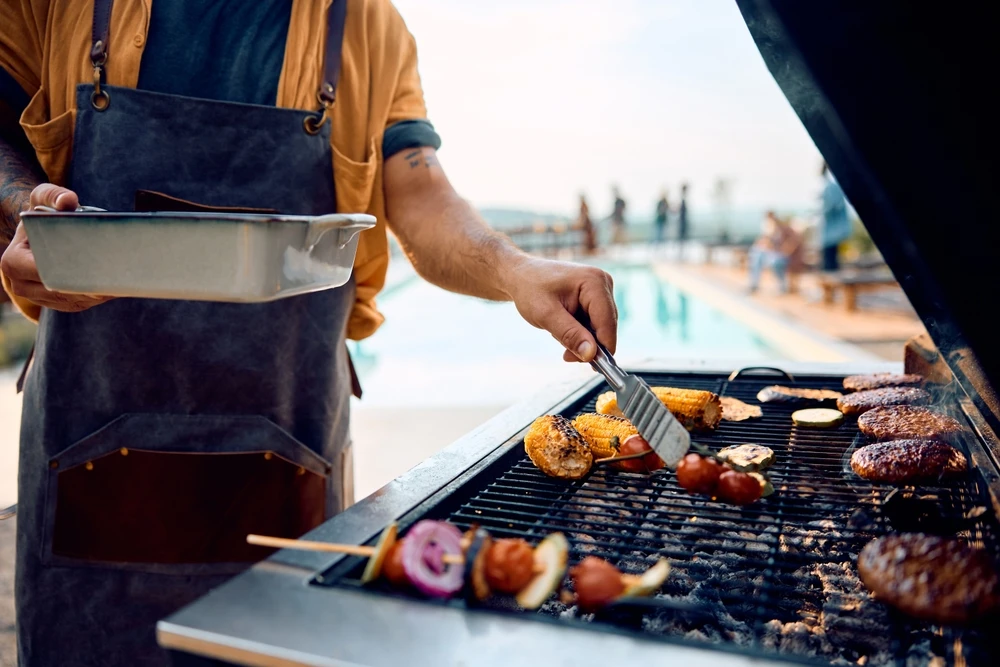
Stovetop cooking: A backpacking or camp stove is perfect for simmering, sautéing, and boiling ingredients.Campfire cooking: Mastering the art of cooking over an open fire can create the ultimate backcountry dining experience. Try grilling, roasting, or even baking with a cast iron skillet.Foil packet cooking: Wrapping ingredients in foil and placing them directly in the fire can make for an easy and tasty meal.Dutch oven cooking: This classic camping tool can be used for a variety of culinary treats, from stews to cobblers.Dehydrated meals: A favorite among backpackers, dehydrated meals are lightweight, simple to cook, and come in a wide variety of dishes. Just add water!Tasty and Easy-to-Prepare Camping Recipes
To elevate your backcountry cuisine experience, try incorporating some of these delicious and easy-to-prepare recipes on your next outdoor adventure:
Campfire pizza: Pre-make pizza dough and bring your favorite toppings for a gooey, melted pizza cooked in a cast iron skillet over the fireBackpacker's beef and vegetable stir fry: Marinate some thinly sliced beef in a ziplock bag before your trip, then cook with a mix of fresh or frozen vegetables on your camp stove.Campfire nachos: Layer tortilla chips, cheese, and toppings in a cast iron skillet or metal cooking pan, then cook over the fire until golden and bubbly.Backcountry pasta is primavera: Boil pasta and add a mix of dehydrated vegetables, pesto, and Parmesan cheese for a quick and satisfying meal.S'mores: The classic campfire dessert doesn't need any introduction. Marshmallows, chocolate, and graham crackers come together for a sweet, gooey treat.Tips and Tricks for Perfecting Your Backcountry Cooking Game
Enhance your outdoor cooking skills with these tips and tricks:
Practice your chosen recipes at home before heading into the wilderness. Make a meal plan and create a detailed grocery list to ensure you don't forget any essential ingredients.Consider using dehydrated ingredients to reduce weight and save space in your pack.Choose recipes that include common ingredients to minimize waste and simplify meal prep.Be patient – cooking outdoors can take longer than you're used to in a traditional kitchen.Keeping Your Outdoor Kitchen Environmentally Friendly
As you explore the world of backcountry cuisine, remember to minimize your impact on the environment. Follow these guidelines for sustainable wilderness cooking practices:
Observe Leave No Trace principles when setting up your cooking area.Use biodegradable soap and water sparingly when cleaning up.Pack out all trash and leftover food waste.Responsibly source firewood and check local regulations for campfire usage.Be considerate of fellow campers and wildlife by keeping noise and odors to a minimum.Conclusion
Backcountry cuisine doesn't have to be bland or boring. By mastering the art of outdoor cooking, investing in the right tools, and trying new camping recipes, you can elevate your wilderness dining experience and fully embrace your connection with nature. Plus, there's nothing more satisfying than enjoying a delicious, well-deserved meal under the stars after a day of adventure. So get out there, fire up your camp stove or campfire, and get cooking!
























Sign in to leave a comment.