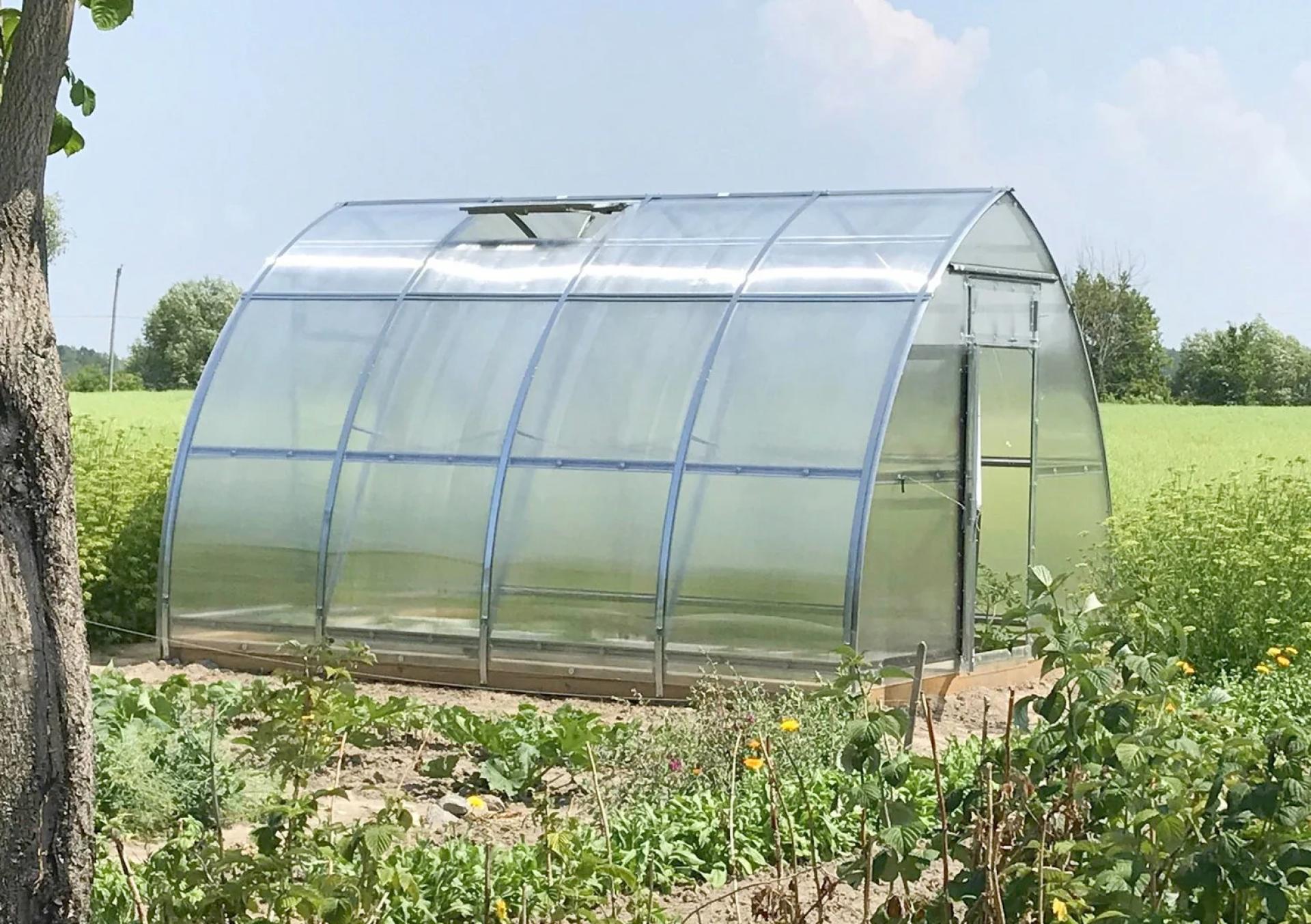
Homeowners increasingly turn to dedicated garden structures to extend growing seasons, protect plants from unpredictable weather, and enjoy fresh produce right from their own yards. Backyard Greenhouses offer practical solutions for cultivating vegetables, herbs, flowers, and even exotic species throughout the year. This article explores reliable options that balance ease of setup, weather resistance, and long-term performance, helping you select the ideal addition to your outdoor area.
Why Invest in a Home Garden Enclosure
Unpredictable climate patterns make outdoor gardening challenging in many regions. A well-designed enclosure shields plants from frost, heavy rain, strong winds, hail, and pests while allowing controlled sunlight and airflow. This protection leads to earlier starts in spring, later harvests in fall, and the possibility of year-round cultivation in milder zones.
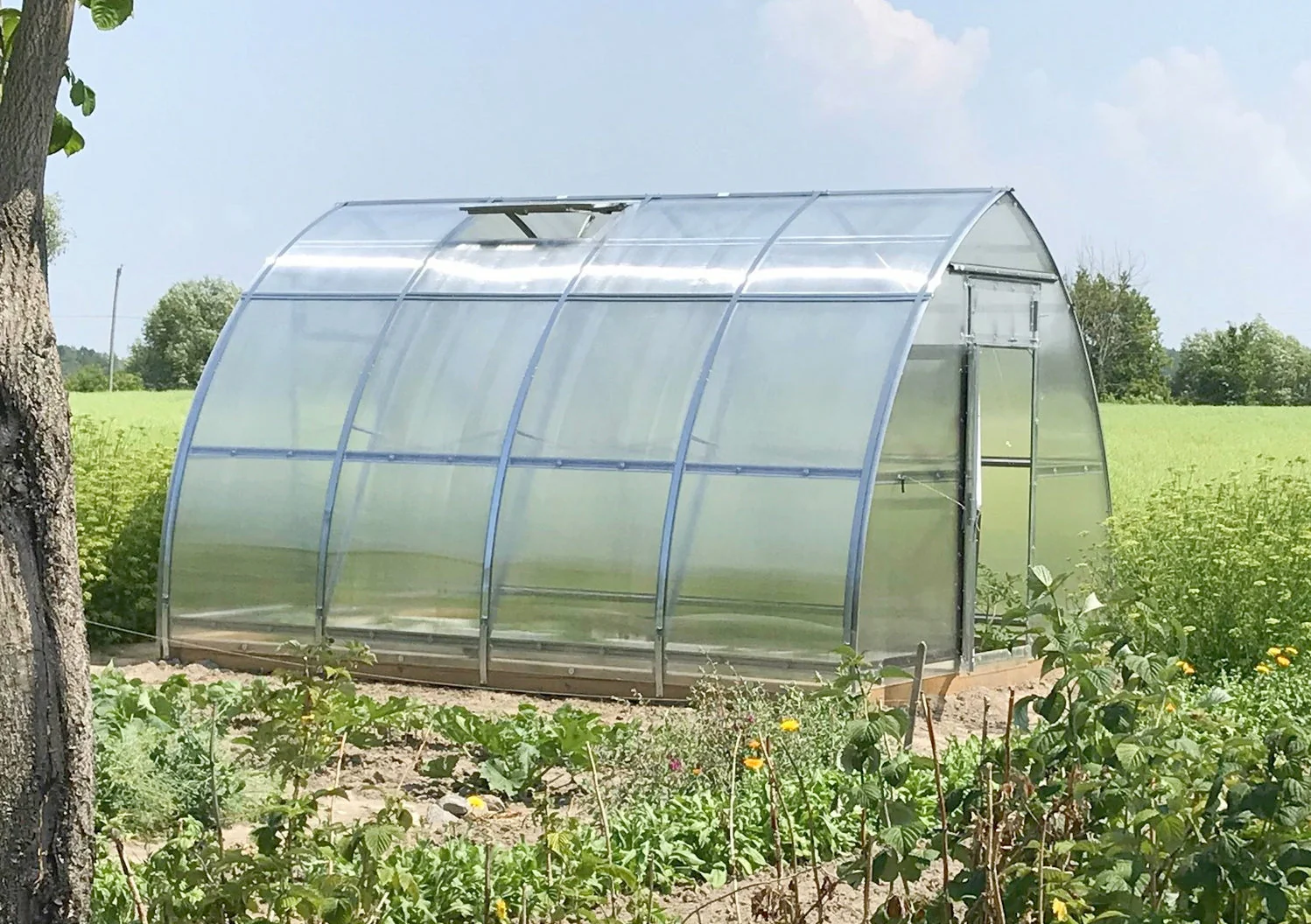
Enclosed spaces also reduce water loss through evaporation, stabilize soil temperatures, and create microclimates ideal for delicate seedlings or heat-loving crops. Gardeners report healthier plants, fewer disease issues, and significantly higher yields compared to open beds. Additionally, these setups promote sustainable practices by minimizing reliance on store-bought produce and encouraging organic methods.
Key Features to Look For
Quality backyard enclosures feature sturdy aluminum or galvanized steel frames that resist rust and support heavy snow loads or wind gusts. Glazing materials play a crucial role: twin-wall polycarbonate panels provide excellent insulation, diffuse harsh sunlight to prevent scorching, and offer impact resistance far superior to glass.
Automatic roof vents or adjustable louvers ensure proper air circulation, preventing overheating on sunny days and reducing condensation that can foster mold or mildew. Wide doors, hinged or sliding, make access convenient for moving pots, trays, and tools. Many models include integrated gutters to channel rainwater away from the base, protecting foundations and collecting water for irrigation.
Shelving systems, staging benches, and optional accessories like heaters, shade cloths, grow lights, and irrigation kits allow customization to match specific growing goals, whether starting seeds, overwintering perennials, or maintaining tropical collections.
Spotlight on Heavy-Duty Twin-Wall Options
Among standout choices, the Solexx Greenhouse line excels with its innovative twin-wall polycarbonate glazing that traps air between layers for impressive thermal performance. This design maintains more stable internal temperatures, reducing the need for supplemental heating in cooler months and lowering energy costs.
The frames are built from thick, UV-stabilized materials engineered to withstand extreme conditions without warping or cracking. Models come in various sizes suitable for small suburban yards or larger properties, with straightforward assembly processes supported by detailed instructions. Users particularly value the diffused light that reaches plants evenly, minimizing hot spots and promoting uniform growth.
These structures prove especially effective in regions with cold winters or variable weather, allowing gardeners to grow cool-season crops through fall and resume early spring planting without interruption. The combination of durability, insulation, and light quality makes them a favorite for serious home growers seeking reliable, low-maintenance performance.
Practical Tips for Successful Setup and Use
Site selection matters greatly, choose a level spot with at least six hours of daily sunlight and good drainage to avoid water pooling. A solid foundation, whether concrete blocks, treated lumber, or a full base kit, ensures stability and longevity.
Start small if you're new to enclosed gardening: focus on easy crops like lettuce, radishes, tomatoes, peppers, and herbs while learning temperature management and ventilation needs. Keep records of internal conditions to fine-tune adjustments over time.
Regular maintenance, cleaning panels for maximum light, checking seals, and lubricating moving parts, keeps everything functioning optimally for many years.
Long-Term Benefits and Lifestyle Impact
Beyond food production, these garden additions offer therapeutic benefits. Spending time tending plants in a protected, peaceful environment reduces stress, improves mood, and encourages physical activity. Families use them as educational tools, teaching children about biology, responsibility, and sustainability.
Financially, home-grown produce cuts grocery bills, while increased property appeal from an attractive structure can add resale value. Environmentally, reduced transportation of food lowers carbon footprints.







Sign in to leave a comment.