
Dental implants have changed the lives of millions of people who want a permanent fix for missing teeth. But like any medical device, they need proper care. One problem that sometimes happens is bacterial buildup around the implant, which can cause swelling and discomfort. If you've noticed changes around your dental implants Las Vegas residents and patients everywhere should know the warning signs and available solutions.
What is Bacterial Buildup Around Dental Implants?
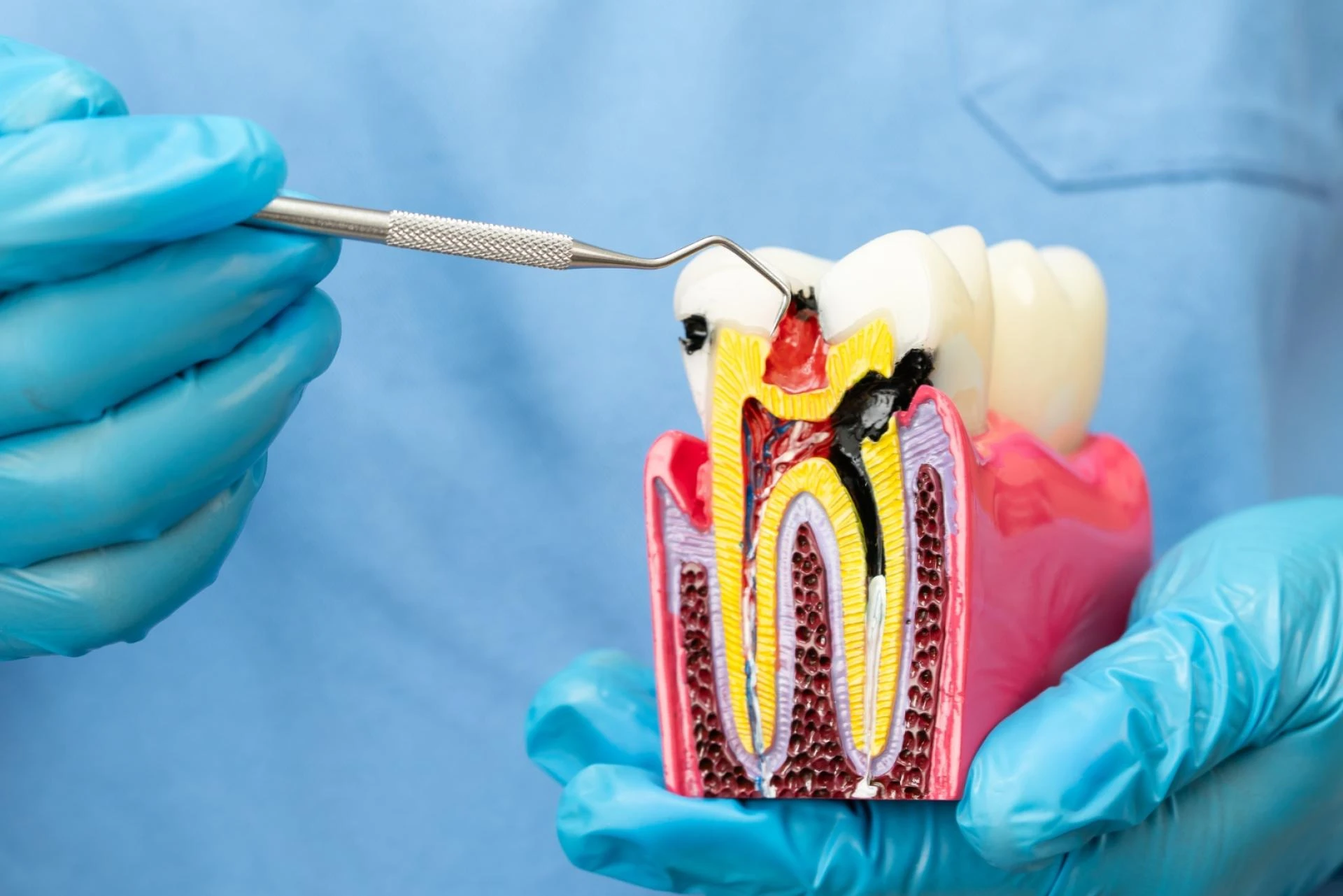
When bacteria collect around your implant, it creates a condition called peri-implantitis. Think of it as gum disease, but for implants instead of natural teeth. Whether you have dental implants Las Vegas or anywhere across the country, understanding this condition is the first step to protecting your investment. The bacteria form a sticky film called plaque on the implant surface and under your gum line.
Over time, this buildup causes inflammation, swelling, and if left untreated, can damage the bone that holds your implant in place. Research shows that peri-implantitis affects a significant number of implant patients. The good news? Early detection and proper treatment can save your implant and restore your oral health.
Warning Signs You Shouldn't Ignore
Your body gives clear signals when something's wrong. Here's what to watch for:
Swelling and Redness: The gums around your implant may look puffy or darker than usual. This inflammation is your body's response to bacterial infection.
Bleeding: If you notice blood when brushing or flossing near the implant, that's a red flag. Healthy gums don't bleed easily.
Tenderness or Pain: The area around your implant might feel sore or hurt when you touch it or chew food.
Bad Taste or Odor: A persistent bad taste in your mouth or foul smell can signal infection.
Pus Discharge: Any discharge from around the implant needs immediate attention.
Loose Implant: In advanced cases, you might notice the implant feels less stable.
Why Does Bacterial Buildup Happen?
Several factors can lead to bacteria collecting around Las Vegas dental implants or anywhere else:
Poor Oral Hygiene: Not brushing and flossing properly lets plaque build up. Implants need the same care as natural teeth, maybe even more.
Smoking: Tobacco use reduces blood flow to your gums, making it harder for your body to fight off bacteria and heal.
Diabetes: High blood sugar can slow healing and make infections worse.
Leftover Cement: Sometimes, tiny bits of dental cement used during implant placement get stuck under the gum. This rough surface attracts bacteria.
Implant Design: The tiny grooves in implant surfaces can trap bacteria if not cleaned well.
Skipped Dental Visits: Regular checkups help catch problems early. Missing these appointments can let small issues turn into big ones.
Proven Solutions for Treatment
The treatment approach depends on how advanced the bacterial buildup is. Your dentist will create a plan based on your specific situation.
Non-Surgical Treatments
For early-stage problems, your dentist might start with:
Professional Cleaning: Special tools remove plaque and tartar from around the implant. This deep cleaning reaches places your toothbrush can't.
Antimicrobial Therapy: Your dentist may prescribe mouth rinses or gels that kill bacteria. Chlorhexidine is commonly used for this purpose.
Antibiotics: Pills or topical antibiotics can help control the infection from the inside out.
Laser Therapy: Some practices use dental lasers to sterilize the area and remove infected tissue without damaging the implant surface.
Surgical Treatments
When bacterial buildup has caused significant damage, surgery might be needed:
Access Flap Surgery: The dentist lifts the gum tissue to access and clean the implant thoroughly, removing all infected material.
Bone Grafting: If you've lost bone around the implant, grafts can help rebuild that support.
Tissue Regeneration: Sometimes additional soft tissue is needed around the implant to create a better seal against bacteria.
The key is acting fast. Early intervention gives you the best chance of saving your implant and avoiding more complex treatments.
Prevention: Your Best Defense
Stopping bacterial buildup before it starts is easier than treating it. Here's how to protect your dental implants Las Vegas patients and everyone else should follow these steps:
Brush Twice Daily: Use a soft-bristled toothbrush and clean around your implant gently but thoroughly.
Floss Every Day: Don't skip the areas around your implant. Special floss or interdental brushes work well.
Use Antimicrobial Mouthwash: A good rinse helps reduce bacteria levels in your mouth.
Regular Dental Visits: See your dentist every six months (or more often if recommended) for professional cleanings and checkups.
Quit Smoking: This single change dramatically improves your implant's long-term success.
Manage Health Conditions: Keep diabetes and other health issues under control with your doctor's help.
Watch Your Diet: Eating nutritious foods supports your immune system and gum health.
Common FAQs: Bacterial Buildup Around Implants
1. Can bacterial buildup around implants go away on its own?
No. Bacterial infections around implants need professional treatment. Waiting only makes the problem worse and can lead to implant failure.
2. How long does treatment for peri-implantitis take?
It varies. Non-surgical treatments might resolve in a few weeks with proper care. Surgical cases can take several months to heal completely.
3. Will insurance cover treatment for implant infections?
Coverage depends on your specific plan. Many insurance policies cover treatment for infections, but it's best to check with your provider.
4. Can I lose my implant from bacterial buildup?
Yes, if left untreated. That's why catching and treating the problem early is so important.
5. Is peri-implantitis common?
Studies suggest it affects about 20% of implant patients, though rates vary. Regular maintenance reduces your risk significantly.
6. Are certain people more at risk?
Yes. Smokers, people with diabetes, those with a history of gum disease, and patients who skip dental visits face higher risks.
7. Can the infection spread to other teeth?
The bacteria can potentially affect nearby natural teeth and other implants. Treating the infection protects your entire mouth.
Conclusion
Swelling around your Las Vegas dental implants doesn't have to mean disaster. With proper care and quick action, most cases can be successfully treated. Pay attention to what your body tells you. If you notice any warning signs, don't wait to schedule a consultation with your dental provider.
Your implants are an investment in your health and quality of life. Protecting them through good daily care and regular professional attention ensures they'll serve you well for years to come.
If you're experiencing symptoms or have concerns about your implant health, contact a local dental office today. Early treatment makes all the difference.
























Sign in to leave a comment.