
In 2024, ensuring pool safety goes beyond just maintaining water clarity and cleanliness—it also involves balancing chlorinator use effectively. With the advancement of pool maintenance practices and the growing awareness of environmental and health concerns, finding the right balance in chlorinator use has become paramount for pool owners. In this guide, we will explore the importance of balancing chlorinator use for pool safety in 2024.
From understanding the role of chlorinators in maintaining water quality to implementing best practices for chlorinator management, we'll provide valuable insights to help pool owners ensure a safe and enjoyable swimming experience for all. Join us as we dive into the world of chlorinator management and discover the keys to maintaining optimal pool safety in 2024.
Recognising the Use of Chlorinators in Pool Maintenance
Chlorinators' Significance for Pool SafetyBy sanitising the water and limiting the growth of dangerous germs and pathogens, chlorinators are essential to pool safety. Chlorine efficiently eradicates bacteria, viruses, and algae, contributing to the preservation of water purity and hygienic conditions. To guarantee adequate sanitization without overexposing swimmers to high chlorine levels, it is crucial to find the ideal balance when using chlorinators.
Factors Impacting Chlorinator LevelsChlorinator levels in swimming pools can be affected by a variety of factors such as pool size, water temperature, bather load, and environmental conditions. Warmer temperatures and heavier bather loads might hasten chlorine depletion, necessitating more frequent chlorinator adjustments to maintain ideal levels. Understanding these characteristics is critical for proper chlorine control and consistent pool safety.
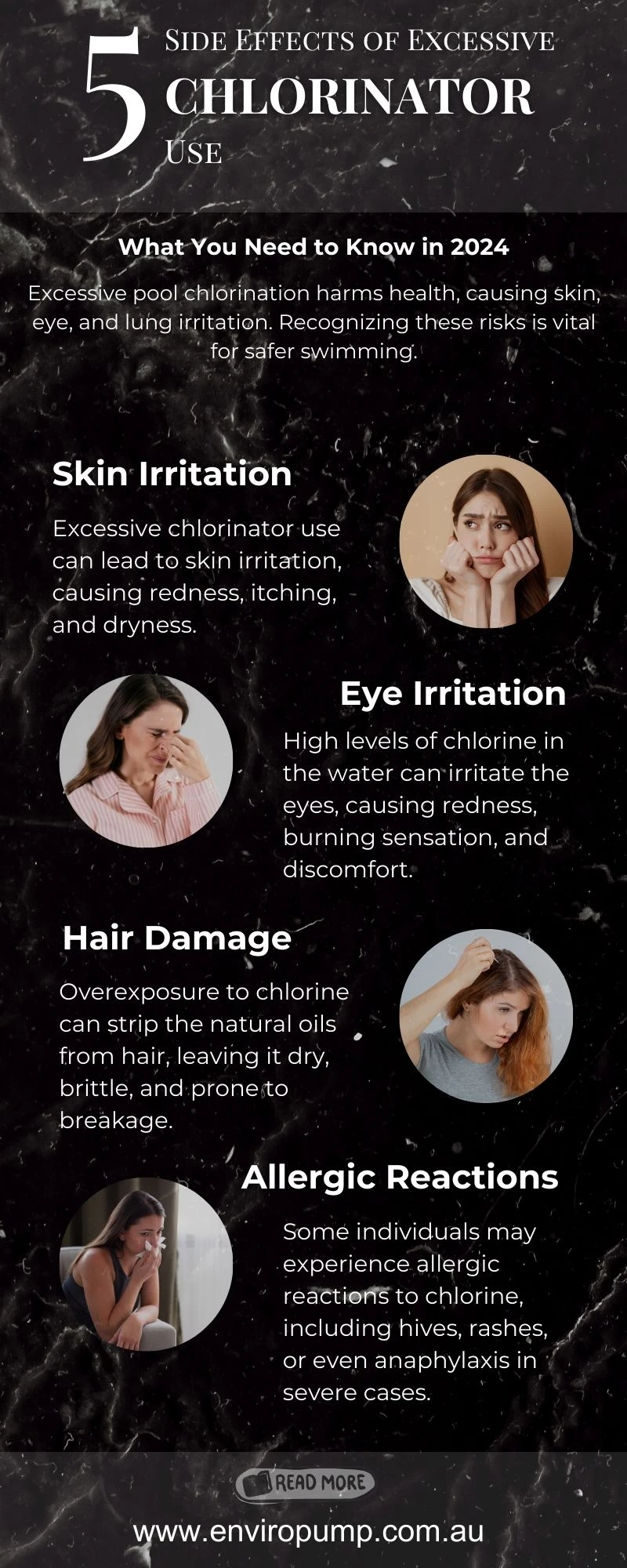
Over-Chlorination Risks:While chlorine is required to preserve water quality, excessive chlorination can endanger swimmers' health and the pool environment. Excessive chlorine can irritate the skin, eyes, and respiratory system, causing pain and potential health problems. Furthermore, over-chlorination can cause the creation of chloramines, which are results of chlorine reacting with organic substances in water. Chloramines can produce pungent chemical odours and contribute to poor interior pool air quality.
Best Practices in Chlorinator ManagementTo ensure optimal pool safety, it is critical to apply best chlorinator management techniques. Regularly testing and monitoring chlorine levels using a reputable test kit is critical for guaranteeing water quality and safety. Adjusting chlorinator settings according on test results and ambient factors can aid in maintaining constant chlorine levels and avoiding over-chlorination. Furthermore, appropriate maintenance of chlorinators and filtration systems is critical to guaranteeing their efficiency in sanitising pool water.
Alternative Sanitation MethodsIn addition to typical chlorine-based sanitization, pool owners should explore saltwater chlorination or UV-C sanitation systems. Saltwater chlorination systems use electrolysis to produce chlorine from salt dissolved in water, offering a softer and more natural method of chlorination. UV-C sanitation systems disinfect water with ultraviolet light, completely removing the need for chemical sanitizers. Exploring these alternative solutions can provide pool owners with more options for preserving water quality while reducing the use of traditional chlorinators.
Finally, preserving pool safety in 2024 will need balancing chlorinator use. While chlorinators are essential for cleaning water and reducing germs, they must be used in moderation to avoid over-chlorination and its accompanying hazards. Pool owners may maintain a safe and comfortable swimming experience for all by knowing the elements that influence chlorinator levels, monitoring chlorine levels on a regular basis, and applying best chlorinator management practices.
In my own experience, Enviro Pump has been crucial in resolving the chlorination problems with my pool. It's crucial to remember that there are different kinds of chlorinators available, and selecting the best one relies on personal needs and tastes. Pool safety and water quality should always come first, regardless of whether conventional chlorinators, saltwater chlorination systems, or UV-C sanitation systems are chosen. Pool owners can provide a safer and more comfortable swimming environment for themselves and their families by taking proactive steps to balance chlorinator use.












Sign in to leave a comment.