
Introduction
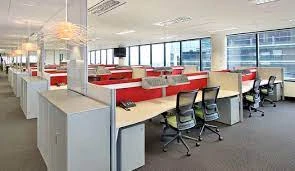
The design of office furniture has come a long way from the days of drab cubicles and utilitarian desks. Today, modern office furniture is not merely functional; it also serves as a reflection of an organization's culture, values, and brand identity. Balancing form and functionality in office furniture is essential to create workspaces that are not only productive and comfortable but also aesthetically pleasing and inspiring. In this article, we will delve into the importance of striking this balance and explore how it is achieved in contemporary office furniture design.
The Significance of Office Furniture in the Modern WorkplaceOffice furniture is a crucial element of the modern workplace, influencing various aspects of the work environment, including:
Employee Well-being: Comfortable and ergonomic furniture contributes to the physical well-being of employees, reducing the risk of musculoskeletal issues and discomfort.Productivity: Thoughtfully designed furniture can enhance productivity by providing employees with efficient and organized workspaces.Collaboration: Furniture can be tailored to encourage collaboration, whether through open-plan workstations, lounge seating, or meeting rooms designed for group discussions.Brand Image: The appearance of office furniture reflects a company's brand identity, conveying messages about its values, culture, and commitment to innovation.Space Utilization: Effective furniture design maximizes the efficient use of available office space, reducing clutter and optimizing floor plans.The Evolution of Office Furniture DesignThe history of office furniture design has witnessed a transformation from utilitarian and unimaginative pieces to dynamic and aesthetically pleasing solutions. Key milestones in this evolution include:
Ergonomics: The recognition of the importance of employee comfort led to the development of ergonomic office furniture that supports the natural movements of the body, reducing strain and fatigue.Open Plan Workspaces: The shift towards open plan workspaces necessitated furniture that could facilitate collaboration, mobility, and adaptability. This gave rise to modular and flexible furniture designs.Sustainable Design: Growing environmental consciousness has driven the adoption of sustainable materials and practices in office furniture production.Technology Integration: Modern office furniture seamlessly integrates technology, with features like built-in power outlets, wireless charging, and cable management.III. Balancing Form and Functionality
Balancing form and functionality in office furniture design requires careful consideration of several factors:
ErgonomicsErgonomic Seating: Chairs that support proper posture and provide comfort are essential for employee well-being and productivity.Adjustable Desks: Sit-stand desks allow employees to switch between sitting and standing positions, reducing the negative effects of prolonged sitting.AestheticsAesthetic Appeal: Office furniture should align with the organization's brand identity and design preferences, conveying a cohesive and visually pleasing workspace.Material Selection: The choice of materials, finishes, and colors impacts the overall aesthetics of the furniture. Sustainable and natural materials are increasingly popular.CustomizationTailored Solutions: Many modern office furniture designs offer customization options, allowing organizations to select features that suit their specific needs and preferences.Adaptability: Furniture should be adaptable to accommodate changing work requirements and office layouts.Technology IntegrationConnectivity: Office furniture should seamlessly integrate technology, with features like built-in power outlets, USB ports, and wireless charging pads.Cable Management: Cable management solutions help maintain a clean and organized workspace by hiding cables and wires.Space OptimizationModular Design: Modular furniture can be rearranged and reconfigured to maximize the efficient use of office space.Storage Solutions: Effective storage options, such as filing cabinets, shelves, and integrated storage in desks, help declutter workspaces. Examples of Innovative Office Furniture DesignsSit-Stand Desks with Technology Integration: These desks allow employees to switch between sitting and standing positions, promoting ergonomics and health. They often come with touch-screen controls for height adjustment and built-in wireless charging pads.Modular Workstations: Modular workstations offer flexibility by allowing components to be rearranged and reconfigured based on changing needs. They often include features like sliding privacy screens, integrated power outlets, and cable management.Lounge and Collaborative Seating: Lounge seating designs incorporate comfort and aesthetics, creating inviting spaces for informal meetings and relaxation. They often feature options for power outlets and tablet armrests.Biophilic Design Elements: Incorporating natural elements like wood, plants, and natural light into office furniture design creates a connection to nature, promoting well-being and aesthetics.Soundproof Meeting Pods: These innovative furniture designs provide private meeting spaces within open-plan offices, reducing noise distractions and fostering concentration and collaboration. Case Studies: Balancing Form and FunctionalityCompany A: A technology startup prioritized a dynamic and collaborative workspace design. They invested in modern office furniture with open-plan workstations, ergonomic seating, and standing meeting tables. The furniture's sleek and contemporary design reflected the company's innovative culture, enhancing employee engagement and creativity.Company B: An architecture firm embraced biophilic design principles in their office furniture. They incorporated living walls, natural wood finishes, and ergonomic seating. This approach not only improved employee well-being but also enhanced the aesthetics of the workspace, creating an inspiring environment that reflected the company's commitment to sustainability and design excellence. Challenges and ConsiderationsBalancing form and functionality in office furniture design is not without its challenges:
Budget Constraints: High-end or customized furniture designs can be costly. Organizations must carefully assess their budget and prioritize investments.Employee Preferences: It's important to gather input from employees to ensure that the furniture design aligns with their needs and preferences.Maintenance: Furniture with intricate designs or high-tech features may require specialized maintenance to ensure longevity.Compatibility: New furniture designs should be compatible with existing office layouts and infrastructure, which may require adaptation or retrofitting.Conclusion
In the modern workplace, modern office furniture plays a multifaceted role in supporting employee well-being, productivity, collaboration, and brand identity. Balancing form and functionality in office furniture design is essential to create workspaces that are not only functional but also aesthetically pleasing and inspiring. From ergonomic seating to modular workstations and biophilic design elements, innovative furniture solutions are shaping the future of office design. By carefully considering ergonomics, aesthetics, customization, technology integration, and space optimization, organizations can create work environments that foster creativity, innovation, and employee satisfaction.







Sign in to leave a comment.