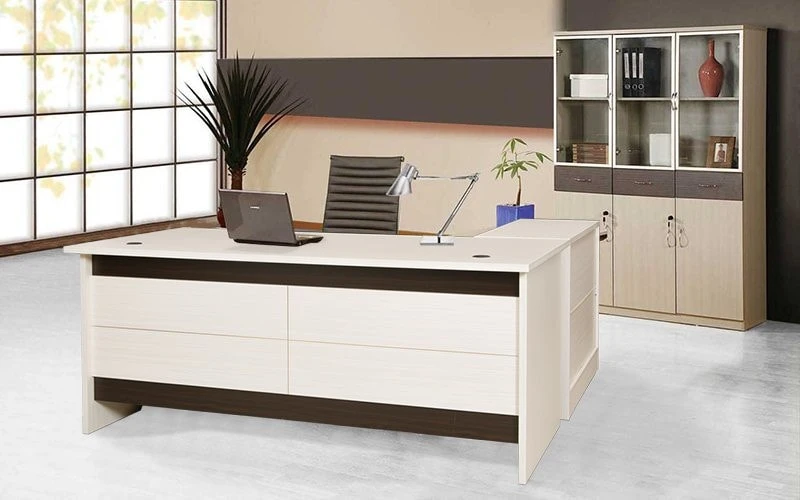

Modern office design is a dynamic field that seeks to optimize the workplace for both productivity and employee well-being. Two critical aspects of this design are privacy and collaboration. Striking the right balance between these elements is essential for creating a work environment that fosters creativity, effective communication, and individual focus. In this article, we explore the challenges and strategies associated with balancing privacy and collaboration in contemporary office design.
The Evolution of Office Design
Over the past few decades, office design has undergone a significant transformation. The traditional, cubicle-centric layouts have given way to more open and collaborative spaces. This shift was driven by the desire to promote interaction among employees, enhance teamwork, and break down hierarchical barriers. Open offices, characterized by low partitions, shared workstations, and communal areas, became a symbol of modern workplace culture.
The Promise of Collaboration
Open office designs promised to revolutionize the way employees interacted with one another. The benefits associated with collaboration-focused layouts included:
Enhanced Communication: Removing physical barriers between employees encouraged spontaneous conversations and idea-sharing.Improved Teamwork: Collaborative spaces were designed to facilitate teamwork and project-based work, encouraging cross-functional collaboration.Flexibility: Open layouts allowed for easy reconfiguration of spaces to accommodate changing teams and projects.Cost Efficiency: These designs often allowed for higher occupancy rates, making more efficient use of space.The Challenge of Privacy
While open office designs brought several advantages, they also introduced challenges related to privacy and focused work. These challenges included:
Noise and Distractions: Open offices were often associated with increased noise levels, which could be disruptive for tasks requiring concentration.Lack of Confidentiality: The absence of private spaces made it challenging for employees to hold confidential discussions or conduct sensitive work.Reduced Productivity: Some employees found it difficult to focus amidst the constant activity and noise in open environments, leading to decreased productivity.Privacy Concerns: Employees expressed concerns about the lack of personal space and privacy, which could impact their job satisfaction and well-being.Recognizing the Need for Privacy
As organizations and designers recognized the downsides of overly open layouts, a shift occurred. A growing understanding of the importance of privacy in the workplace led to the realization that a one-size-fits-all approach did not work for every employee or task. Here are some reasons why privacy is crucial in modern office design:
Concentration: Many tasks require focused concentration, and providing employees with spaces where they can work without distractions is essential for productivity.Confidentiality: Certain discussions and work activities demand confidentiality, such as HR meetings, client calls, or sensitive projects.Individual Work Styles: Employees have different work styles, and some may thrive in quieter, more private settings.Well-being: Privacy contributes to employee well-being by reducing stress and providing a sense of personal space.Strategies for Balancing Privacy and Collaboration
Balancing privacy and collaboration in modern office design requires a thoughtful approach. Here are key strategies to achieve this balance:
Activity-Based Design: Implement an activity-based design approach that recognizes the diversity of work tasks. Provide various workspaces tailored to different activities, including open collaborative areas, quiet zones, and private workstations.Flexible Layouts: Design the office with flexibility in mind, allowing for easy reconfiguration of spaces to accommodate changing needs. Movable partitions, adjustable furniture, and modular layouts enable adaptability.Enclosed Meeting Spaces: Create a range of enclosed meeting spaces, from small huddle rooms to larger conference rooms, equipped with technology for seamless communication. These spaces provide privacy for meetings, discussions, and video conferences.Quiet Zones: Designate specific areas as quiet zones or individual workstations where employees can focus without distractions. These spaces should be equipped with comfortable furniture and acoustic solutions to minimize noise.Soundproofing and Acoustics: Invest in soundproofing and acoustic design solutions to control noise levels within the office. Acoustic panels, carpets, and sound-absorbing materials can help create a more peaceful work environment.Personalized Workspaces: Allow employees to personalize their workstations, providing a sense of ownership and comfort. Personalized spaces can be equipped with ergonomic furniture and accessories to support individual preferences.Privacy Booths and Pods: Incorporate privacy booths or pods equipped with adjustable lighting, ventilation, and connectivity. These spaces offer employees a quiet retreat for focused work or confidential discussions.Wellness Rooms: Design wellness rooms where employees can recharge, meditate, or take short breaks. These spaces contribute to well-being by offering a private, tranquil environment.Technology Integration: Ensure that the office is equipped with technology that facilitates collaboration and communication, both within the office and with remote team members.Employee Feedback: Solicit feedback from employees about their workspace preferences. Employee input can inform design decisions and help create a more inclusive environment.Clear Policies: Develop clear workplace policies regarding space utilization, booking of private areas, and noise levels to maintain order and fairness.Case Study: The Hybrid Workspace
A hybrid workspace is an example of a design approach that effectively balances privacy and collaboration. It acknowledges that the modern work environment includes both in-office and remote work, and it accommodates the needs of employees in various work scenarios.
Key features of a hybrid workspace design include:
Flexible Seating: Employees have the option to choose where they work, whether in the office, at home, or in a third-party location. Hot-desking and flexible seating arrangements are common.Collaborative Areas: The office includes open collaborative spaces, meeting rooms, and project areas for team collaboration and brainstorming sessions.Individual Workstations: Private workstations or enclosed pods are available for employees who require focused work or confidentiality.Technology Integration: Advanced technology and connectivity tools support seamless communication and collaboration, regardless of location.Remote Work Support: The design considers the needs of remote employees by providing access to resources and virtual collaboration tools.Wellness and Breakout Areas: Wellness rooms, lounges, and breakout areas contribute to employee well-being and offer spaces for relaxation or informal meetings.Clear Guidelines: Clear guidelines and policies help employees navigate the hybrid workspace, ensuring a harmonious balance between privacy and collaboration.Future Trends and Adaptation
The ongoing evolution of work and workplace design will likely continue to shape the balance between privacy and collaboration. As we look to the future, several trends may influence office design:
Advanced Technology: Advancements in technology, such as augmented reality (AR), virtual reality (VR), and AI, may provide innovative solutions for enhancing collaboration while preserving privacy.Hybrid Models: Hybrid work models that combine office and remote work are likely to become more prevalent, requiring adaptable and flexible office layouts.Employee-Centric Design: Designing spaces that prioritize employee well-being, health, and comfort will remain a focal point, influencing the incorporation of private and collaborative areas.Sustainability: Sustainable design practices, including energy-efficient materials and eco-friendly building solutions, will continue to play a role in office design.Continuous Adaptation: Workplace design will need to remain adaptable and open to change as the needs of organizations and employees evolve.Conclusion
Balancing privacy and collaboration in modern office design is essential for creating a work environment that supports productivity, creativity, and employee well-being. Striking the right balance requires a thoughtful approach that considers the diversity of work tasks, individual preferences, and the evolving nature of work. By implementing strategies such as activity-based design, flexible layouts, and personalized workspaces, organizations can create workplaces that effectively balance the need for privacy and collaboration, ultimately enhancing the overall work experience. As the workplace continues to evolve, the ability to adapt and tailor office designs to the specific needs of employees will remain a key consideration in fostering a successful and harmonious work environment.










Sign in to leave a comment.