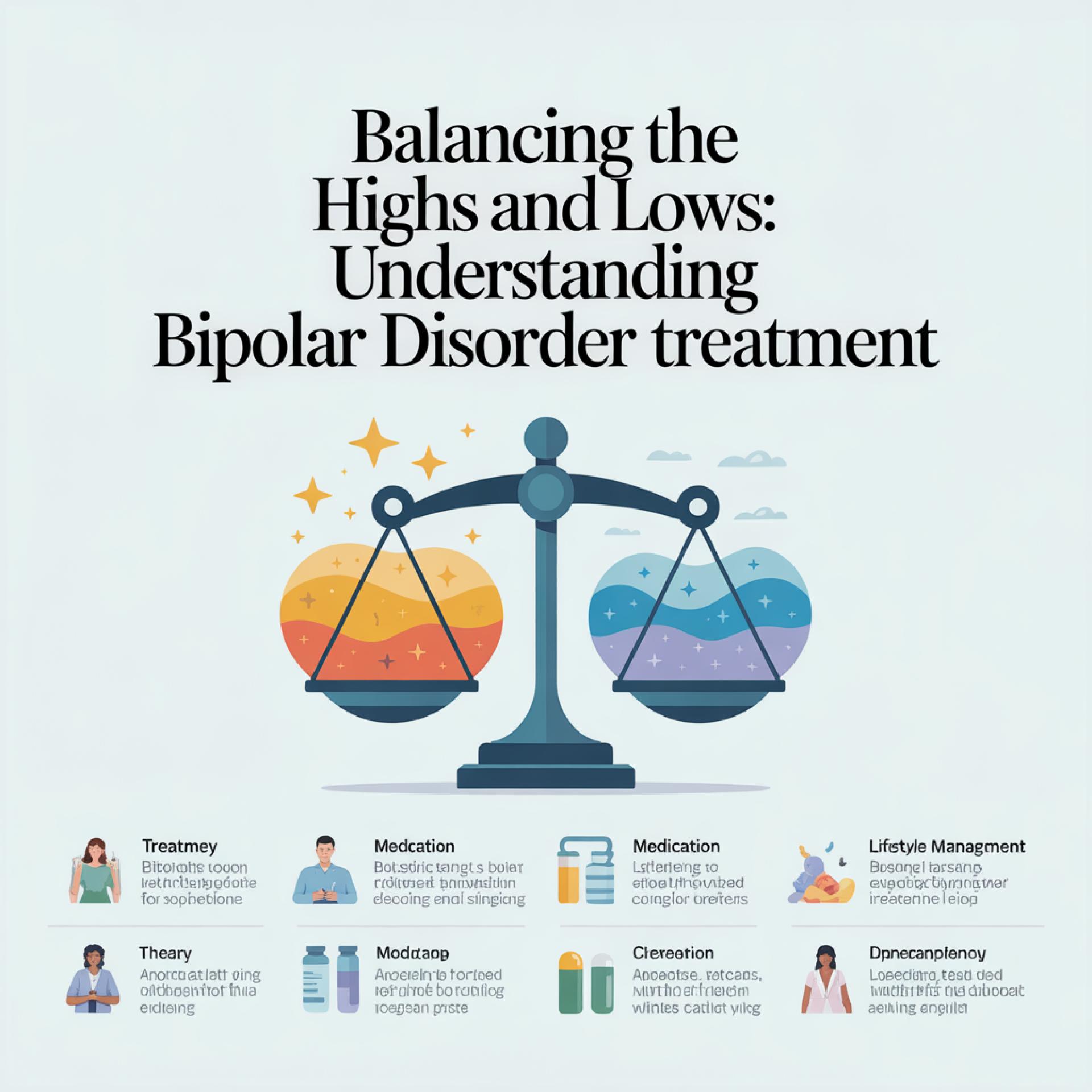

Life is full of ups and downs, but for someone living with bipolar disorder, those changes in mood can be far more intense and unpredictable. Bipolar disorder is a mental health condition that causes extreme mood swings — from emotional highs known as mania or hypomania to deep lows called depression. While these mood changes can be distressing, there is hope. With the right care, support, and treatment, people can find stability and lead meaningful, productive lives. This is the goal of Balancing the Highs and Lows: Understanding Bipolar Disorder Treatment.
What Is Bipolar Disorder?
Bipolar disorder is not just about mood changes — it affects energy levels, thinking, behavior, and daily functioning. During a manic phase, a person may feel overly energetic, talk rapidly, sleep very little, and act impulsively. They might feel unstoppable, take risks, or make decisions without thinking about consequences. In contrast, during a depressive phase, they may feel sad, hopeless, tired, and lose interest in activities they once enjoyed.
These episodes can last days, weeks, or months and may occur rarely or frequently, depending on the person. Bipolar disorder is typically divided into two main types:
- Bipolar I Disorder: Involves at least one manic episode that may be severe enough to require hospitalization, often followed by depressive episodes.
- Bipolar II Disorder: Involves hypomanic episodes (less intense mania) and major depressive episodes, but no full-blown mania.
There is also Cyclothymic Disorder, a milder form with shorter mood swings that last for at least two years.
What Causes Bipolar Disorder?
There isn’t one single cause of bipolar disorder. Instead, it results from a combination of factors:
- Genetics: Bipolar disorder often runs in families. If a close relative has it, the risk increases.
- Brain Chemistry: Imbalances in brain chemicals like dopamine and serotonin can affect mood regulation.
- Stress and Trauma: Major life changes, loss, or trauma can trigger episodes.
- Sleep Problems and Substance Use: Poor sleep or substance abuse can worsen symptoms or trigger episodes.
Understanding these causes helps guide better treatment and management strategies.
Recognizing the Symptoms
Identifying the signs of bipolar disorder is essential for early treatment. Common symptoms include:
- Extreme happiness, increased energy, or irritability during manic phases
- Racing thoughts and rapid speech
- Impulsive decisions, such as overspending or risky behaviors
- Trouble sleeping or a reduced need for sleep
- Deep sadness, fatigue, and feelings of hopelessness during depressive phases
- Difficulty concentrating and changes in appetite or weight
Because symptoms vary from person to person, proper diagnosis by a mental health professional is crucial.
Treatment Options for Bipolar Disorder
The main goal of Balancing the Highs and Lows: Understanding Bipolar Disorder Treatment is to stabilize mood swings and help people maintain emotional balance. Treatment is most effective when it combines medication, therapy, and lifestyle changes.
1. Medication
Medication is often the first line of treatment. Common types include:
- Mood Stabilizers (like lithium): Help control mood swings and prevent manic or depressive episodes.
- Antipsychotic Medications: Used if mood stabilizers are not enough or if symptoms are severe.
- Antidepressants: Sometimes prescribed for depression, but used carefully to avoid triggering mania.
- Sleep Aids and Anti-Anxiety Drugs: Help with rest and calmness if sleep is disrupted.
It’s important to take medication exactly as prescribed and consult a psychiatrist regularly to adjust dosages or manage side effects.
2. Psychotherapy
Therapy helps individuals understand their emotions, identify triggers, and develop coping strategies. Common types include:
- Cognitive Behavioral Therapy (CBT): Focuses on changing negative thought patterns and behaviors.
- Interpersonal and Social Rhythm Therapy (IPSRT): Helps maintain stable daily routines like sleep and meal times.
- Family Therapy: Involves loved ones to improve communication and create a supportive home environment.
Therapy also teaches self-awareness — a key step toward recognizing early warning signs of mood changes.
3. Lifestyle and Self-Care
Small lifestyle adjustments can greatly improve stability:
- Maintain a regular sleep schedule — sleep disruption can trigger mood swings.
- Eat a balanced diet and avoid alcohol, caffeine, or drugs.
- Engage in regular exercise — physical activity releases mood-boosting endorphins.
- Practice mindfulness and relaxation through yoga, meditation, or breathing exercises.
- Keep a mood journal to track changes and share with your therapist or doctor.
These habits, though simple, can help manage symptoms effectively and reduce the risk of relapse.
4. Support Systems
Having a strong support system is vital. Talking with trusted family members, friends, or joining support groups can make recovery easier. Sharing experiences with others who understand can reduce feelings of isolation and encourage consistency in treatment.
Managing Life with Bipolar Disorder
Living with bipolar disorder doesn’t mean life stops. With treatment, many people lead successful, fulfilling lives. The journey of Balancing the Highs and Lows: Understanding Bipolar Disorder Treatment is about finding stability, not perfection. There may still be challenging days, but consistent care and awareness make them easier to manage.
One of the most empowering steps is learning to identify early signs of mood changes. Catching a manic or depressive phase early allows timely medical help and prevents a full episode.
Breaking the Stigma
Unfortunately, many people hesitate to seek help due to stigma or misunderstanding. Bipolar disorder is often mistaken for moodiness or weakness. In reality, it’s a medical condition — just like diabetes or heart disease — that needs care and attention. The more openly society talks about mental health, the more people will feel safe to seek treatment and begin healing.
A Message of Hope
While bipolar disorder is a lifelong condition, it is manageable. With a combination of medication, therapy, and supportive relationships, people can live stable, meaningful lives. The message of Balancing the Highs and Lows: Understanding Bipolar Disorder Treatment is clear — balance is possible. Healing begins when we replace fear with knowledge and take the first step toward treatment.
FAQs
People often ask what causes bipolar disorder and how it differs from regular mood swings, whether it can be cured, and which treatments work best. Others want to know how long treatment takes, if medication must be taken for life, and what lifestyle changes help manage symptoms. Some ask how to support a loved one, what early signs to watch for, and how therapy can help rebuild balance and confidence.
Meta Description
Discover how bipolar disorder treatment brings balance through therapy, medication, and self-care — learn to manage mood swings and find lasting stability.






























Sign in to leave a comment.