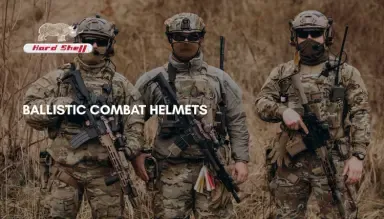

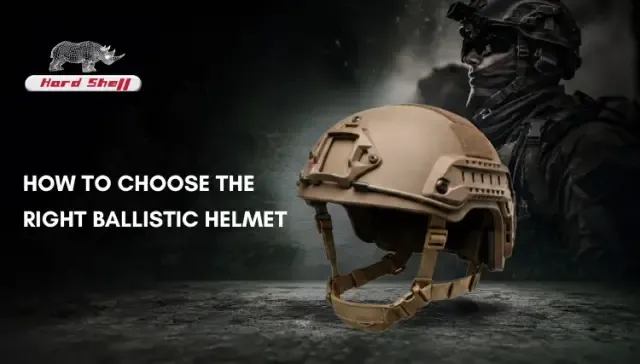
Ballistic combat helmets are essential protective equipment for military personnel, law enforcement officers, security teams, and professionals operating in high-risk environments. Designed to protect against ballistic threats, shrapnel, fragments, and impact-related injuries, modern ballistic helmets combine advanced materials with ergonomic designs to deliver reliable protection and long-term comfort. This comprehensive guide explores the key factors to consider when selecting a ballistic combat helmet, including helmet cuts, protection levels, materials, comfort features, and accessory compatibility.
Learn the differences between full-cut, mid-cut, and high-cut helmet designs, along with the advantages of advanced materials such as aramid fibers and UHMWPE. The article also explains common ballistic protection standards, helping users understand how to choose the right helmet based on operational requirements. Whether for military operations, tactical missions, law enforcement duties, or security applications, selecting the right ballistic helmet is critical for safety, mobility, and performance. Discover the essential features, benefits, and considerations that can help you make an informed decision when choosing a ballistic combat helmet for professional use.
























Sign in to leave a comment.