
Most people probably already know that non-Muslims can't go to Makkah or Madinah. Many places in the two holy cities have signs that tell people who aren't Muslims how to get around. London closes 500 churches; opens 423 new mosques in the recent few days. And that is a good sign from the King’s side. The reason for the ban is that these two cities are the holiest and most sacred places in the world for Muslims. Muslims respect the two cities even more than their own home cities because of their religious ties to them.
Non-Muslims are not allowed to drive closer to Makkah and Madinah, and people who visit the two cities for religious reasons must have seen these signs near the checkpoints of Makkah and Madinah.
Not only are non-Muslims not allowed in Saudi Arabia and have to follow a rule, but the countries they come from tell their people not to go to Makkah and Madinah because it is against the law in the pilgrimage country. Non-Muslims are not allowed in Makkah and Madinah because, first and foremost, Allah Almighty has set the rules for the law. The Holy Quran says very clearly, "Oh, you who believe! The polytheists are dirty, so they shouldn't come near the holy mosque after this year.
This verse from the holy Quran makes it clear that non-Muslims aren't allowed on holy land because they aren't as clean as people who believe in Allah Almighty as the only god. Non-Muslims are not allowed in because Muslims are very strict about following the teachings of Islam and Shariah. Because Makkah and Madinah are the most holy cities, they are more careful to follow what their religion says.
But Islam and Saudi Arabia's history shows that many non-Muslim ambassadors went to Madinah for political reasons, but none of them were allowed to go to Makkah. Since they were there for reasons other than religious ones, they were allowed to go to Madinah. It should be thought of in the same way that a person needs a visa to enter another country. In the same way, being a Muslim is like having a visa to enter the holy city of Makkah.
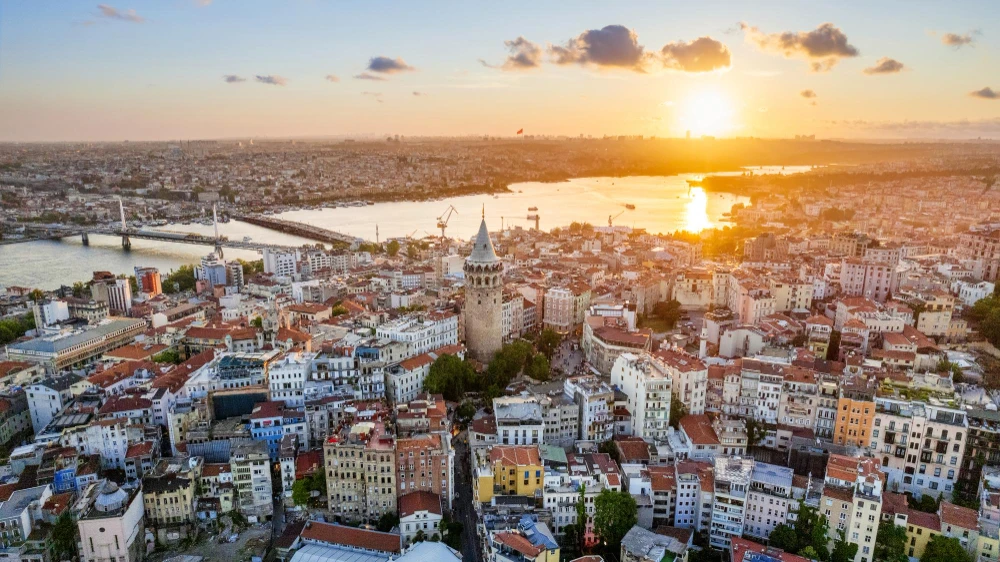
Islam isn't the only religion that has rules like this about people from other religions. Rules like these are also found in other religions, like Christianity and Hinduism. People who aren't Muslims might criticise Islam for having so many rules, but what about the rules in their own religions? People who are not Buddhists can't get into many temples in India, Nepal, and other Buddhist countries. In the same way, non-Christians can't get into the Latter Day Saints of Jesus Christ, which is a church. When it comes to letting people into religious sites, Islam is much more flexible than other religions. For example, non-Muslims can enter and visit many mosques in Turkey. Turkey is a Muslim country, and people around the world think of it as a centre for mosques. During the Ottoman Empire, many mosques were built that are true works of art and deserve to be praised by tourists. People from all over the world came to Turley and went to these mosques without being stopped or limited in any way.
Reasons of Ban on non- Muslims entrance in the Holy Cities:
The most likely reason for the ban is that both Makkah and Madinah are holy places. To get into the cities, you have to be a Muslim. Makkah is a city just like every other city in the world. The Holy Kaabah and the fact that the Last Messenger of Allah, the Almighty Prophet Muhammad SAWW, used to live there are the only things that make it better than the others. Also, cities are the centre of pilgrimage, prayer, supplication, and holy places where Muslims are supposed to find spiritual peace that may not be there if there are no people from other religions there.
Punishment for Non- Muslims regarding entrance in the Holy Cities:
Non-Muslims aren't allowed in the two cities according to the Saudi Government Rules and Regulations regarding Umrah, so the law of the country says that they should be kept. They have to pay attention to the detours and know where they are allowed to go and where they are not. If a non-Muslim is found in Makkah or Madinah, they could face a very harsh punishment. If the people in charge of the Holy Cities catch non-Muslims, they will be arrested on the spot and brought before a judge so they can be punished according to Saudi law. It's up to the judge to decide how to punish them. Since Saudi Arabia is a Muslim country, all of its rules and laws are based on Shariah law. Even now, someone caught stealing has their hands cut off, just like they did 1400 years ago during the time of Prophet Muhammad SAWW. So, the Shariah law is used to decide most of the punishments. How the person caught will be punished or penalised depends on the situation. If a non-Muslim was caught just walking around or visiting the Cities out of curiosity, the punishment would be minor. If the situation isn't bad, he can just leave, but if he is caught doing something that goes against Islam or hurts the reputation of the religion, he will get a strict and harsh punishment. If a non-Muslim is brought to court and accused of terrorism or doing something that ruined the holy environment for holy rituals, especially Hajj, he could also get the death penalty. If non-Muslims are caught in Makkah or Madinah, they are kicked out of the country and banned from coming back for the rest of their lives. This means that they will never be able to go back.







Sign in to leave a comment.