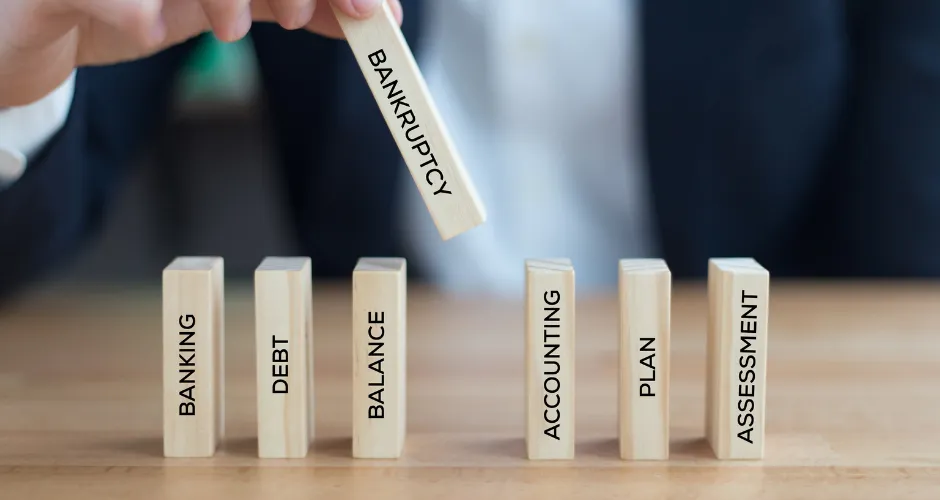

A bankruptcy trustee in Scarborough hears the same two questions more than any others: will my spouse be dragged into this, and what actually happens once the paperwork gets filed. Both questions come from a place of fear, usually after months of avoiding the topic altogether. The answers are more straightforward than most people expect, and knowing them ahead of time removes a lot of the anxiety around that first phone call.
Does a Spouse Share the Debt When One Partner Files?
Marriage does not automatically combine two people's finances the way many assume. Each spouse is responsible for their own debt unless their name is directly tied to it. If one partner files for bankruptcy and the other never co-signed a loan or shared an account, the second spouse keeps their own credit score and their own clean record.
Joint accounts change the picture completely. A shared credit card, a co-signed loan, or a jointly held mortgage means both names are legally attached to that debt. If one spouse stops paying because of bankruptcy, creditors can and will pursue the other spouse for the entire balance, not half of it.
Here is how responsibility usually breaks down:
- Individual credit cards or loans: only the account holder is responsible
- Joint credit cards used by both spouses: both are responsible for the full balance
- Supplementary cards rarely used by the second spouse: responsibility is less clear and often reviewed case by case
- Co-signed loans, including mortgages: both parties remain fully liable
- Jointly owned property: usually reviewed asset by asset during the bankruptcy process
Divorce tends to make joint debt even messier, since cooperation between spouses often breaks down right when it matters most. A licensed trustee reviews these situations individually rather than applying a blanket rule, which is why anyone dealing with joint debt and spouse responsibility for credit card balances should bring account statements to their first meeting instead of guessing which cards count.
Bankruptcy Trustee in Scarborough : How Filing for Bankruptcy Actually Works

The word bankruptcy carries a lot of weight, mostly because people picture the worst-case version before learning how the process actually runs. In reality, it follows a fairly predictable path once a trustee gets involved, and most of the heavy lifting shifts off the individual's shoulders almost immediately.
The general filing process looks like this:
- Meet with a Licensed Insolvency Trustee for a free consultation to review income, debts, and assets
- Decide together whether bankruptcy, a consumer proposal, or another option fits best
- Complete and submit the required forms to the Office of the Superintendent of Bankruptcy
- Surrender credit cards and report any changes in address, income, or assets
- Attend a meeting with creditors, along with two required counselling sessions
- Make monthly payments to the trustee, who distributes them to creditors
- Receive a discharge once responsibilities are met, typically within nine months for a first-time filing
Once the paperwork is filed, creditors are legally required to stop contacting the individual directly. All communication runs through the trustee instead, which removes a major source of stress almost overnight. Wage garnishments and collection calls stop as well, giving people breathing room to actually follow the plan without new pressure piling on. For a full walkthrough of how to declare bankruptcy and what a bankruptcy help line typically covers, reviewing each stage in advance makes that first meeting far less intimidating.
What Happens After the Paperwork Is Filed
Filing is not the finish line. It marks the start of a structured period where income gets reviewed monthly and compared against government guidelines. Anyone earning above a certain threshold pays surplus income toward their debts, and that amount adjusts based on household size and any changes in earnings during the process.
A common mistake happens right around this stage. People assume the hard part is over once the forms are submitted, then get caught off guard by surplus income payments or a missed counselling session. Staying in close contact with the trustee avoids this. Two counselling sessions are required by law, and skipping them can delay a discharge that would otherwise happen automatically.
Assets get reviewed carefully too, especially anything owned jointly with a spouse. A car, a shared bank account, or furniture bought together during the marriage may need to be assessed to determine what portion belongs to the person filing. This is often where people feel the most anxious, worrying that everything will be taken. In practice, many essential items are exempt, and a trustee explains exactly what applies before anything gets touched.
Getting the Right Advice Before Taking the Next Step
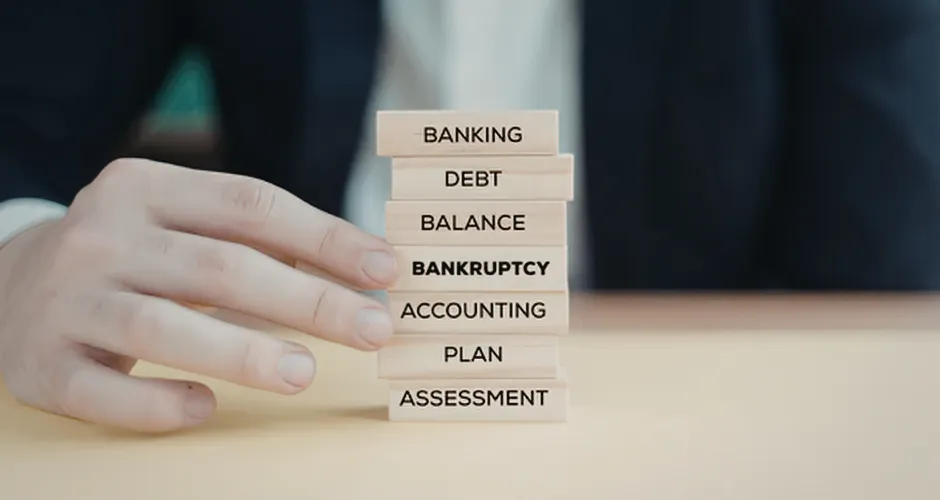
Every situation looks different once real numbers and real relationships are factored in. A couple with one joint credit card faces a very different outcome than a couple with a shared mortgage and three co-signed loans. This is why generic online answers rarely hold up once someone's specific paperwork gets reviewed.
Before that first appointment, it helps to gather account statements, a list of joint debts, and a rough monthly budget. Bringing this information saves time and leads to a much clearer picture of what to expect, whether the plan involves a consumer proposal, a consolidation loan, or bankruptcy itself.
- Pull recent statements for every joint account
- Write down who signed for each loan or credit card
- List monthly income and fixed expenses honestly
- Ask about surplus income rules before assuming a number
- Book a consultation early instead of waiting for creditors to call first
Debt tied to a marriage or a shared account can feel more complicated than it actually is once the right questions get answered. A conversation with a bankruptcy trustee in Scarborough is usually the fastest way to replace guesswork with an actual plan.





























Sign in to leave a comment.