Basecamp vs Workstatus: Which Software Helps Improve Project Profitability?


The process can be well structured, the deadlines met, and the people kept busy—but the profit margin might remain low. The reason behind this is that there are uncounted hours, hidden expenses, and inefficient processes.
And that is why the selection of the proper software becomes so crucial. Let’s have a closer look at how the platforms Basecamp and Workstatus help in managing projects.
Why Do Well-Managed Projects Still Lose Money?
Task completion does not necessarily guarantee profitability for a project since teams might incur losses due to delays in completing work or even a lack of insight into how the resources have been used.
Typical problems include:
- Hours that have not been tracked to accurately bill customers.
- Projects taking more time than anticipated.
- Insufficient insight into the project’s costs.
- Misallocation of workloads and delayed deliveries.
Businesses need more than just organized communication and task lists to avoid such problems.
How Can Basecamp Alternatives Help Teams Protect Project Margins?
When looking for alternative software to Basecamp, it is important to consider not only assignment management and team cooperation but also analysis of working hours, productivity and project efficiency.
Basecamp software helps in organizing projects, communicating with team members, creating to-do lists, scheduling and sharing documents. But a team that manages client projects requires additional functions such as tracking time spent, analyzing delays and workflow problems, seeing how people work with their working hours and project budget.
The required features include:
- tracking time spent on projects and tasks;
- identifying delays and bottlenecks;
- understanding working hours distribution;
- analyzing project budgets and resource management.
How Does Workstatus Help Improve Project Profitability?
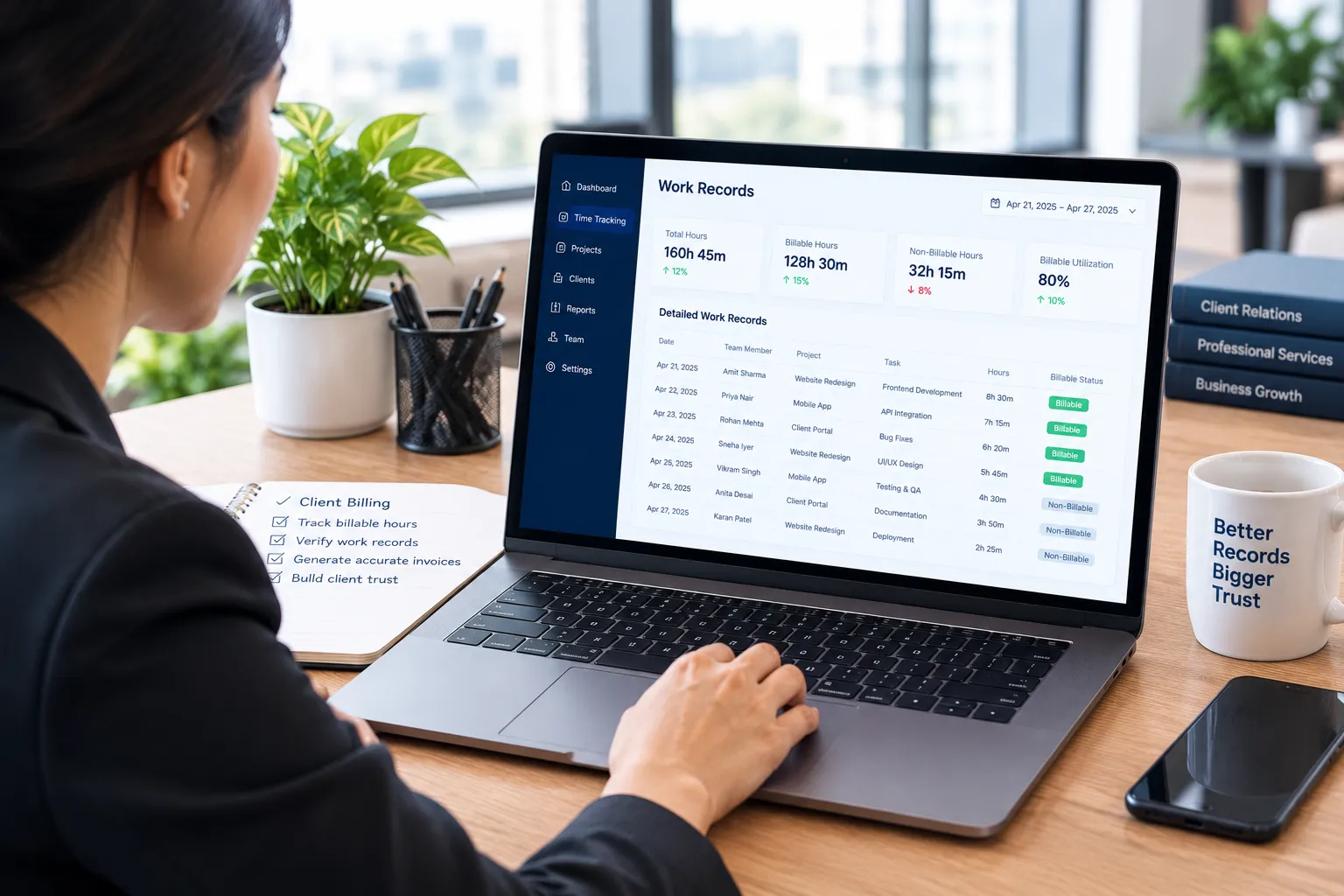
Workstatus offers time tracking, productivity insights, and project management features in one solution to help teams look beyond the completion of tasks.
Management can view work hours, follow up on the progress of projects, and leverage certain budget and cost management features to see how it impacts project results.
These features include:
- Time tracking: Maintain an accurate record of work hours.
- Productivity insights: Spot trends that can impact efficiency.
- Project tracking: Track tasks and project delivery.
- Budget management: Examine project costs through certain features.
Such an approach allows companies to make pragmatic decisions regarding workloads and project performance.
How Do Basecamp and Workstatus Compare?
Both platforms support teamwork, but they serve somewhat different priorities.

When comparing Basecamp competitors, consider whether your team needs collaboration alone or a wider view of time, productivity, and project costs.
Which Features Make the Biggest Difference to Profitability?
Selecting appropriate characteristics will allow managers to see issues before they turn into costly ones.
Give preference to features that will allow you to:
- Manage timesheets: Organize your data about hours spent.
- Budget management: Compare planned and real costs.
- Process control: Spot issues before the deadlines expire.
- Productivity analysis: Know where you spend your time.
- Workload management: Make better resource allocation decisions.
How Should You Choose the Right Platform?
It all depends on your workflow and what issues you have to address.
Basecamp can work well for companies that prefer simple project management and collaboration. Workstatus can be more suitable if time tracking, productivity analysis, and greater project transparency is needed.
In advance of picking one of them, it is important to take into account the following aspects:
- Your team size and complexity of projects.
- Need in time tracking details.
- Requirements for reporting and budget transparency.
- Already integrated tools in your team.
- Pricing and available features in different plans.
Conclusion
Basecamp and Workstatus can both be used for project management purposes, however, profit needs more than just task and communication management. It is also necessary to know the working hours, detect inefficiency and control the costs of the project.
If you are looking for some Basecamp alternatives, you can use Workstatus because of its time tracking features, productivity analytics, and project management. With better knowledge of the process of work, you will be able to make the right decisions regarding resources and delays.
FAQs
1. Can project management software improve profitability?
Yes. It helps teams monitor progress, manage resources, track time, and identify issues that could increase project costs.
2. What is Basecamp mainly used for?
Basecamp focuses on project organization, team communication, to-do lists, schedules, and file sharing.
3. How does Workstatus support project profitability?
Workstatus combines time tracking, productivity insights, and project management features to help teams understand work patterns and project performance.
4. What should I compare when evaluating Basecamp alternatives?
Compare collaboration, time tracking, project management, productivity insights, budget visibility, integrations, and pricing.
5. Which platform is better for client-facing teams?
Basecamp may work well for teams focused on collaboration and task coordination. Workstatus may better suit teams that also need workforce visibility and time tracking to review project performance. Compare current plans against your requirements before deciding.







Sign in to leave a comment.