
A basement should be more than a place to store boxes. Whether you use yours as a home gym, laundry room, workshop, storage area, or finished living space, the concrete floor needs to handle moisture, foot traffic, spills, and everyday wear.
Fortress Floors of Pennsylvania installs professional basement floor coating in Pennsylvania using a durable polyurea basecoat and protective polyaspartic topcoat. The result is a seamless, easy-to-maintain surface that improves the appearance of your basement while protecting the concrete underneath.
Why Coat Your Basement Floor?
Bare concrete is porous. Over time, it can collect dust, absorb stains, develop surface wear, and become difficult to keep clean. Basement floors can also be exposed to humidity and moisture from the surrounding environment.
A professionally installed coating creates a sealed surface that is easier to clean and better suited for everyday basement use. It can also give an unfinished concrete floor a more finished appearance without the maintenance associated with many traditional flooring materials.
Common reasons Pennsylvania homeowners choose basement floor coating include:
- Protecting concrete from everyday wear
- Creating an easier-to-clean surface
- Reducing dust from bare concrete
- Improving the appearance of an unfinished basement
- Adding slip-resistant texture options
- Creating a more durable surface for storage and daily use
- Providing a seamless finish with minimal maintenance
A Polyurea Basecoat Built for Concrete
Not all floor coating systems are the same. The materials used and the way the concrete is prepared have a major impact on the finished floor.
Fortress Floors uses a polyurea basecoat as the foundation of its coating system. Polyurea provides a combination of adhesion, flexibility, and durability that makes it well suited to concrete surfaces that experience everyday movement and changing conditions.
The basecoat is followed by a polyaspartic topcoat that helps protect the finished surface. Polyaspartic provides a durable finish with resistance to everyday wear, stains, and UV exposure.
This layered system gives homeowners more than a decorative coating. It creates a complete flooring system designed around the performance of the concrete beneath it.
Does Basement Floor Coating Stop Moisture?
Moisture is one of the most important considerations when coating a basement floor.
A properly installed coating can help protect the concrete surface from moisture exposure, but it is important to understand what a coating can and cannot do. If water is actively entering through cracks, foundation walls, plumbing leaks, or the slab, the underlying water problem should be addressed before coating the floor.
The EPA recommends identifying and correcting sources of basement seepage and leaks rather than simply covering the symptoms. Concrete moisture can also affect the performance and adhesion of flooring systems, which is why the condition of the slab should be evaluated before installation.
Fortress Floors takes the condition of the existing concrete into account before applying the coating system. This helps ensure the floor is properly prepared for the installation.
Benefits of Basement Floor Coating in Pennsylvania
Moisture-Resistant Surface
Basements naturally have different moisture conditions than above-ground rooms. A seamless coating helps protect the concrete surface and makes the finished floor easier to maintain.
Durable Under Everyday Use
A basement may see more activity than homeowners initially expect. From exercise equipment and storage shelves to furniture, tools, and frequent foot traffic, the floor needs to withstand regular use.
Polyurea provides a tough foundation, while the polyaspartic topcoat adds another layer of protection.
Easy to Clean
Bare concrete can hold dust and absorb spills. A coated surface is much easier to clean because the finished system creates a smooth, sealed surface.
Routine sweeping and cleaning can keep the floor looking neat without the extensive maintenance required by some other flooring options.
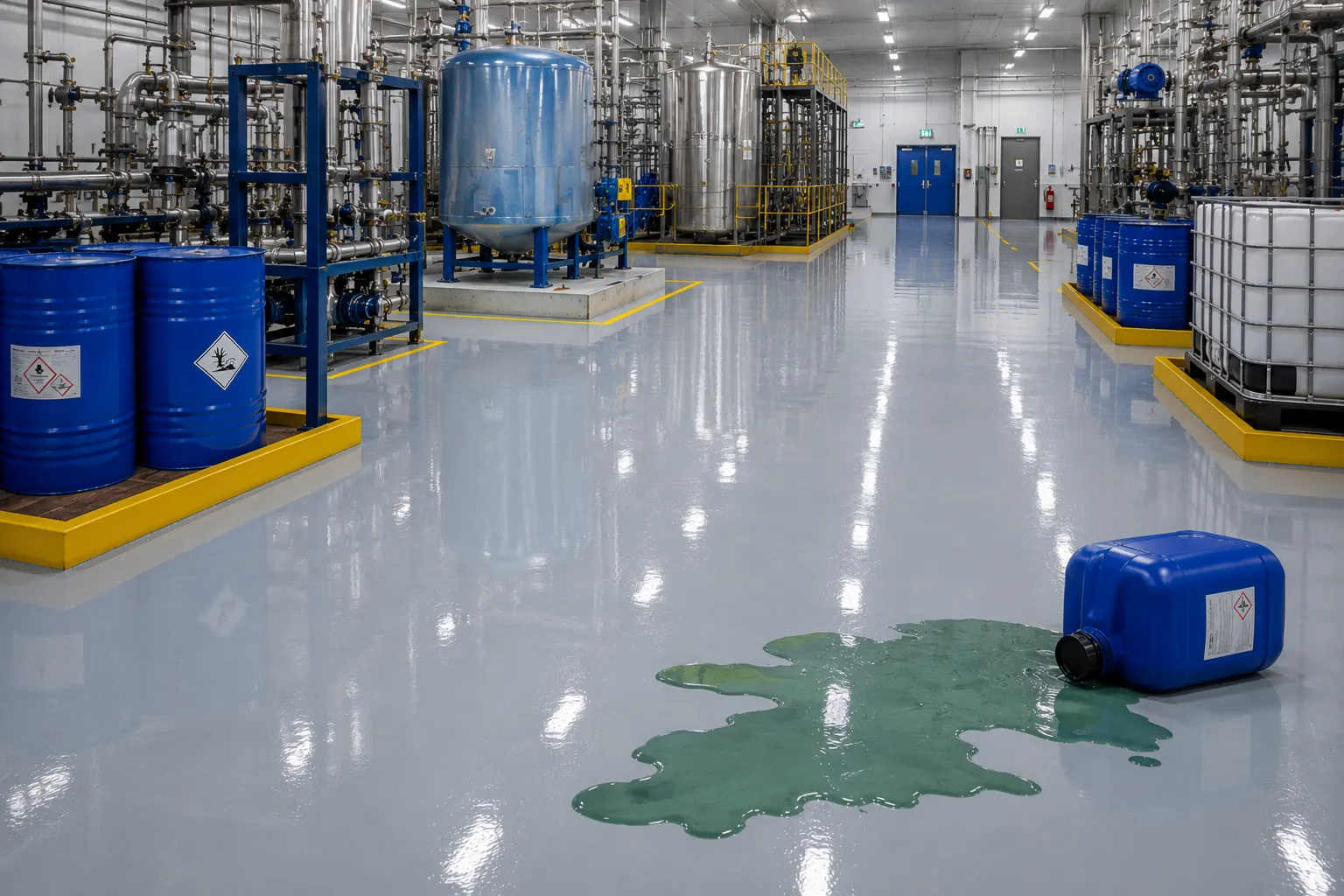
Stain and Chemical Resistance
Basements can be used for hobbies, workshops, storage, and laundry. These activities can expose flooring to household chemicals, cleaners, oils, and other substances.
A properly installed coating system helps protect the concrete from everyday spills and staining.
Improved Appearance
A basement floor does not have to look like unfinished concrete. Decorative flake systems and different color combinations can create a cleaner, more finished appearance.
The result can make the entire basement feel brighter and more intentional.
Slip-Resistant Options
A smooth floor can become slippery when moisture is present. Slip-resistant additives or textures can be incorporated into the coating system where appropriate to provide additional traction.
This can be particularly useful around basement laundry areas, utility spaces, and other locations where the floor may occasionally become wet.
Our Basement Floor Coating Process
A long-lasting floor starts with proper preparation. Applying coating directly over dirty, weak, or improperly prepared concrete can lead to adhesion problems and premature failure.
Our process focuses on preparing the slab before building the coating system.
1. Concrete Inspection
We evaluate the existing basement floor and look for cracks, surface damage, old coatings, stains, and potential moisture concerns.
2. Surface Preparation
The concrete needs the right surface profile for the coating to bond properly. Mechanical preparation helps remove contaminants and create a suitable bonding surface.
3. Crack and Surface Repairs
Where necessary, cracks, chips, and other imperfections are addressed before the coating system is installed.
4. Polyurea Basecoat
The polyurea basecoat provides the foundation of the system and bonds to the properly prepared concrete.
5. Decorative Flake Application
If a decorative flake finish is selected, flakes can be broadcast into the basecoat to create texture, visual depth, and a distinctive appearance.
6. Polyaspartic Topcoat
The final polyaspartic topcoat seals the system and provides an additional layer of protection against everyday wear, stains, and UV exposure.
Where Can Basement Floor Coatings Be Used?
Basement floor coating can work well in many residential spaces, including:
- Finished basements
- Home gyms
- Laundry rooms
- Storage areas
- Workshops
- Recreation rooms
- Utility rooms
- Hobby areas
- Basement hallways
- Home offices
The best flooring solution depends on the condition of the concrete and how you plan to use the space.
Why Choose Fortress Floors of Pennsylvania?
Choosing a coating company is about more than choosing a color. The preparation, materials, installation process, and attention to detail all influence how the finished floor performs.
Fortress Floors of Pennsylvania focuses specifically on concrete coating systems and uses a polyurea basecoat with a polyaspartic topcoat. The company also emphasizes thorough preparation, quality materials, fair pricing, and hands-on project oversight.
Fortress Floors of Pennsylvania serves homeowners throughout Pennsylvania from its Plymouth Meeting location, helping customers upgrade concrete surfaces with durable coating systems.
Whether your basement is unfinished and practical or fully finished and part of your living space, our goal is to install a floor that looks better, cleans easier, and stands up to everyday use.
Frequently Asked Questions
Is polyurea a good choice for a basement floor?
Yes. Polyurea can provide a durable and flexible base layer for properly prepared concrete. It is particularly useful when homeowners want a seamless surface with strong resistance to everyday wear.
Can you coat a damp basement floor?
The concrete needs to meet the coating manufacturer's requirements before installation. Active water intrusion, leaks, or excessive moisture should be evaluated and addressed rather than simply covered with a coating. Concrete moisture can contribute to coating failure if not properly managed.
Will basement floor coating prevent mold?
A coating can create a sealed, easier-to-clean surface, but it should not be presented as a standalone mold solution. Moisture control is the key to preventing mold growth, and the EPA recommends correcting leaks and other sources of water intrusion.
How long does basement floor coating take?
Installation time depends on the size and condition of the basement, the selected system, and the amount of preparation required. Once the concrete is evaluated, Fortress Floors can provide a more accurate project timeline.
Is basement floor coating easy to maintain?
Yes. One of the main advantages is the sealed, non-porous finished surface. Regular sweeping and routine cleaning can help keep the floor looking clean without extensive maintenance.
Can I customize the appearance?
Yes. Decorative flake systems provide different color combinations and textures, allowing homeowners to create a finish that complements the rest of the basement.
Is basement floor coating better than traditional flooring?
There is no single flooring solution that is right for every basement. Coating is especially attractive when durability, easy cleaning, moisture-conscious performance, and a seamless appearance are priorities.
How do I know if my basement floor is ready for coating?
The existing concrete should be inspected for moisture conditions, cracks, contaminants, weak areas, and previous coatings. Proper preparation is one of the most important parts of a successful installation.
Upgrade Your Basement Floor With a Professional Coating
If your basement has worn, dusty, stained, or unfinished concrete, a professional coating can give the space a cleaner appearance and a more durable surface.
Fortress Floors of Pennsylvania provides basement floor coating in Pennsylvania using a polyurea basecoat and polyaspartic topcoat system designed for long-term performance.
Contact Fortress Floors today to schedule a consultation and find out whether your basement concrete is a good candidate for a professional coating system.



















Sign in to leave a comment.