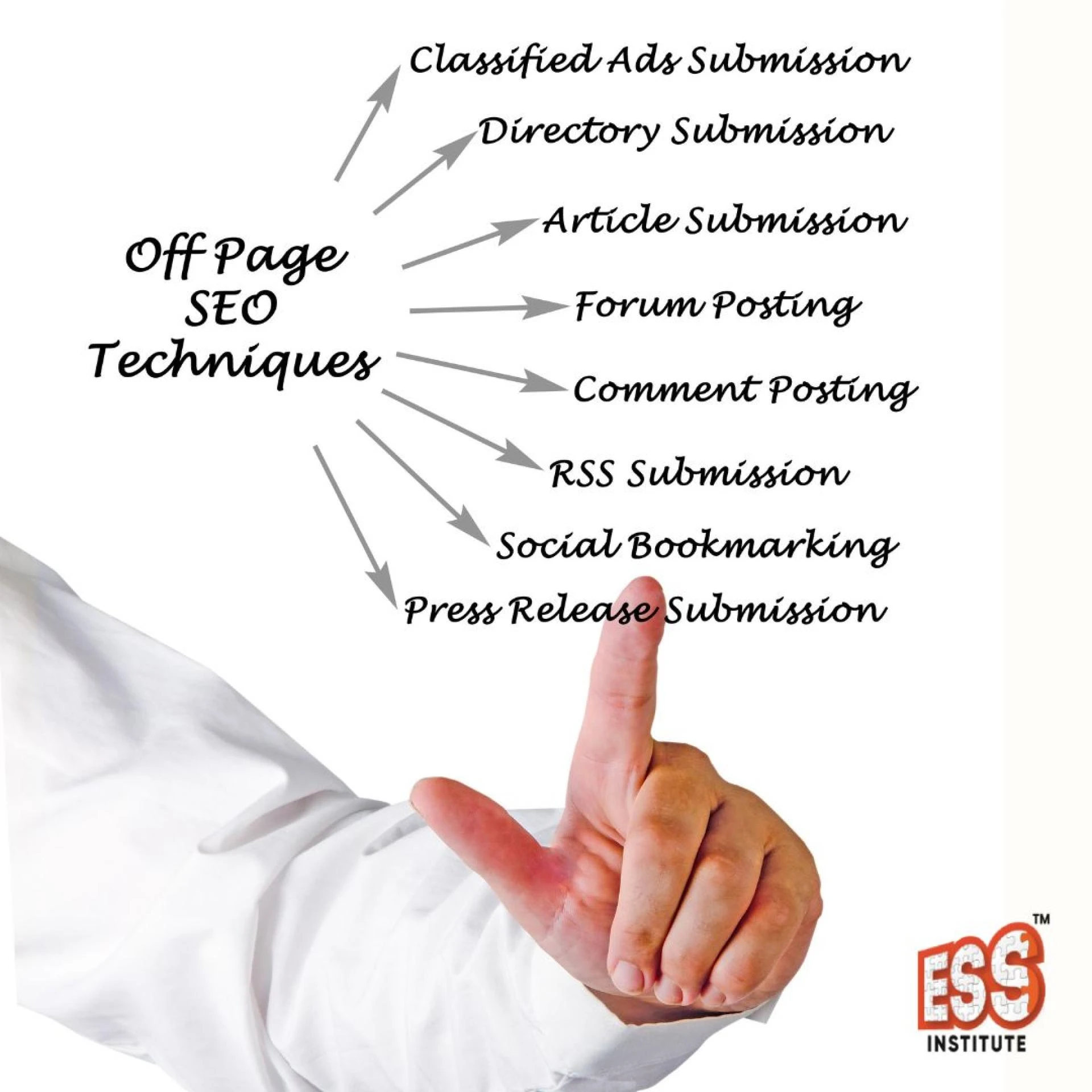

Having a strong online presence is extremely important for anyone who wants to make an impact on the internet. However, while many people focus on developing quality content and optimising their websites. But, there is more to it than just those two things. This is where off-page SEO comes in.
Suppose your website was part of a large library, with many books. On-page SEO is making sure your book is well-written and properly formatted. Whereas, off-page SEO is like getting other people to recommend your book or put it on top shelves where everybody can see what you’re talking about.
This guide covers the basics of off-page SEO and reveals how these techniques can help increase your site’s credibility.
What is Off-Page SEO
Off-page SEO refers to activities performed outside your website to enhance its position on search engines. These activities are aimed at enrolling your site with some credibility, relevance, and trustworthiness from the perspective of search engines. Unlike on-page SEO which emphasises upon itself, off-page optimization is about creating a positive image online.
Why is it important?
Various reasons make off-page optimization important. For one it increases domain authority; this means how well the site appears in search results. When search engines consider these external factors they automatically increase rankings in organic searches. An effective off-site optimization can bring more visitors from other sites and also boost your brand recognition.
Key Off-Page SEO Strategies
Listed below are some of the most effective off-page SEO strategies:
1. Link Building
Link building is the most important part when it comes to optimising a page externally. This tells Google that other reputable websites value your content enough to link back to them. Some ways of getting links include writing detailed guides or original research materials that others would like to share. You can also create guest posts for sites targeting the same audience but different categories. You can provide valuable articles or replace any broken links on popular blogs and news sites.
2. Social Media Engagement
Although social media doesn’t directly affect ranking on SERPs (search engine result pages), it has a huge impact on spreading content and developing a brand’s authority. While using social media to full effect, maintain an active presence by creating profiles on places where your target audience spends time. Regularly share your content while interacting with followers to make your content visible to everyone.
3. Content Marketing
Creating and sharing valuable off-site content can significantly amplify your SEO efforts beyond your website. A good approach would be to have a plan for guest blogging on other sites where you can publish your content. You can create diverse forms of multimedia content such as videos, podcasts or slides and then distribute these through various platforms.
4. Online PR and Brand Mentions
Positive online PR can open doors for valuable mentions of your brand. Look out for opportunities to get interviewed or provide industry comments from time to time so that people will link back to you. Share important company news via press releases. Monitor mentions of your brand online & answer them accordingly.
5. Local SEO
For businesses having a physical location, local search engine optimization is an important part of off-page optimization. Claim and optimise Google My Business listing; also ensure there are no differences between business names, addresses or phone numbers on different directory listings. Encourage customers to leave reviews on platforms like Google and Yelp, and respond to these reviews.
6. Influencer Partnerships
Working with influential people in your industry can help spread your message and add credibility to your brand. Identify influencers related to your field of interest and engage them too. Develop mutually beneficial relationships for creating content or promoting products. Such connections can be used to access new audiences.
7. Forum and Community Participation
If you are active in online communities, it will position your brand as a thought leader in the industry, and it will create opportunities for natural link-building. Look for forums that are associated with your niche as well as other online communities. Offer meaningful opinions and suggestions without overdoing self-promotion. If permitted, attach a web address to your forum signature.
Measuring Off-Page SEO Success
To check if your off-page SEO efforts are working, keep an eye on these metrics:
- Domain Authority and Page Authority
- Traffic coming from backlinks
- How often your brand is mentioned and the sentiment around it
- Engagement and sharing on social media
- How visible you are in local search results and the reviews you receive
Conclusion
Off-page SEO involves many different approaches and requires patience, consistency, and strategic thinking. By using these techniques, you can significantly improve your website\'s authority, search rankings, and organic traffic. Remember, the key to successful off-page SEO is providing value to your audience and building genuine relationships within your industry.











Sign in to leave a comment.