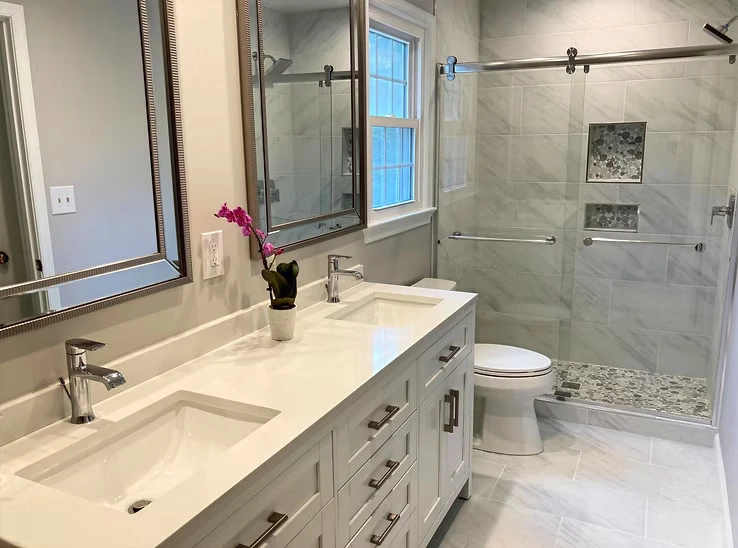

Bathroom remodeling is a strategic home improvement investment that improves daily comfort while increasing overall property value. Beyond visual upgrades, a well-designed bathroom renovation enhances efficiency, safety, and long-term durability. Understanding the key components of remodeling helps homeowners make informed decisions and achieve lasting results.
Defining Remodeling Goals and Priorities
The first step in bathroom remodeling is identifying the purpose of the renovation. Common objectives include updating outdated finishes, improving layout efficiency, increasing storage, or enhancing accessibility. Establishing clear goals early ensures that design choices align with practical needs, lifestyle considerations, and budget expectations.
Assessing Layout and Spatial Efficiency
Bathrooms often have limited space, making layout planning especially important. Evaluating existing plumbing locations, fixture placement, and circulation space helps determine whether adjustments are feasible. Efficient layouts improve functionality while minimizing construction complexity and unnecessary costs.
Selecting Materials for Durability and Performance
Bathrooms are exposed to constant moisture, temperature changes, and frequent use. As a result, material selection should prioritize durability and water resistance. Porcelain and ceramic tiles are widely used for flooring and walls due to their longevity and ease of maintenance. For cabinetry and vanities, engineered wood, laminates, or moisture-resistant finishes help prevent long-term damage.
Modern Fixtures and Sustainable Features
Advancements in bathroom fixtures offer improved performance with reduced environmental impact. Water-efficient toilets, faucets, and shower systems help conserve resources without sacrificing comfort. Smart features such as temperature controls and touchless fixtures add convenience while supporting sustainability goals.
Lighting and Ventilation Considerations
Proper lighting enhances both function and ambiance. Layered lighting that combines task, ambient, and accent lighting supports grooming tasks while creating a comfortable atmosphere. Equally important is ventilation, which helps manage humidity, prevent mold growth, and protect finishes. Upgrading exhaust systems during remodeling improves indoor air quality and extends material lifespan.
Storage Solutions and Organization
Effective storage is essential for maintaining an organized bathroom. Built-in shelving, recessed niches, vanity drawers, and medicine cabinets maximize usable space while keeping everyday items accessible. Thoughtful storage planning improves usability, particularly in shared bathrooms.
Safety, Accessibility, and Long-Term Use
Incorporating safety and accessibility features supports long-term living. Walk-in showers, non-slip flooring, grab bars, and comfort-height toilets can be integrated seamlessly into modern designs, ensuring the bathroom remains functional for users of all ages.
Conclusion: A Thoughtful Approach to Bathroom Remodeling
Bathroom remodeling requires a balance of planning, technical expertise, and quality execution. By focusing on efficient layouts, durable materials, modern systems, and long-term usability, homeowners can achieve a bathroom that delivers both comfort and value. Partnering with experienced professionals can further support successful outcomes. Companies such as Advance Construction Concepts contribute industry knowledge and practical insight that help guide well-planned remodeling projects aligned with performance, safety, and long-term satisfaction.


























Sign in to leave a comment.