
Gardening can be an incredibly rewarding hobby, but it's not without its challenges. One of the most frustrating issues that gardeners face is the presence of plant blights. These pesky diseases can wreak havoc on your beautiful garden, causing leaves to wither, fruits to rot, and overall diminishing the health of your plants. While there are chemical treatments available, opting for organic solutions is not only safer but also healthier for both your garden and the environment.
In this blog post, we'll explore what plant blights are, how to identify them, and most importantly, how to get rid of them using organic methods.
Understanding Plant Blights
Plant blights, often referred to as plant diseases, are caused by various pathogens, including fungi, bacteria, and viruses. These microorganisms can infect your plants, leading to a range of symptoms such as discolored or spotted leaves, wilting, stunted growth, and poor fruit production. Blights can spread rapidly, so it's essential to address them promptly.
Identifying Plant Blights
Before you can effectively combat plant blights, you need to identify them correctly. Here are some common symptoms to look out for:
Leaf Spots: Small, discolored spots or lesions on the leaves are a common sign of fungal or bacterial blights.Wilting: Sudden wilting of your plants, especially in hot weather, might indicate bacterial wilt or root rot.Yellowing Leaves: Yellowing or yellow streaks on leaves could be a sign of viral infections.Fruit Rot: Rotted or decaying fruits often result from fungal infections.Mildew: Powdery or downy mildew on plant surfaces is a clear indication of fungal blights.Now that you can recognize plant blights let's delve into organic methods to tackle these issues.
Organic Solutions for Plant Blights
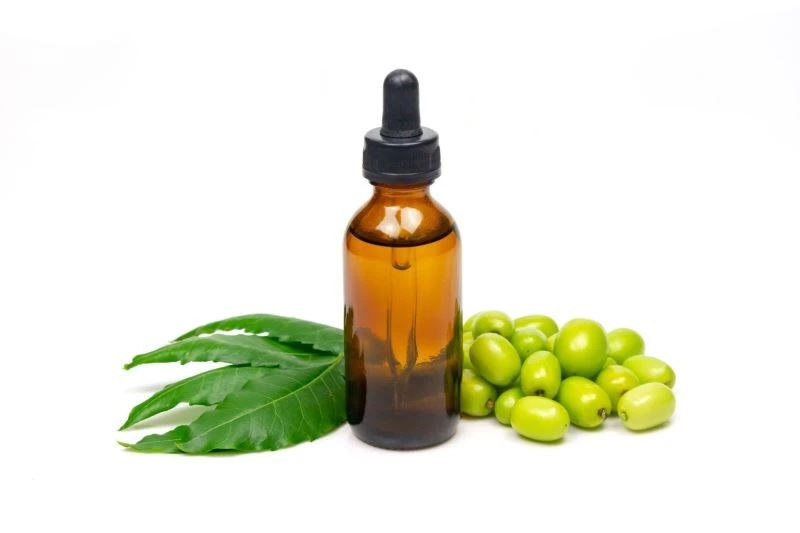
Crop Rotation: A simple yet effective way to prevent blights is to practice crop rotation. This means planting different types of crops in the same area each season to disrupt the life cycles of blight-causing pathogens.Healthy Soil: Ensure your soil is rich in organic matter and well-draining. Healthy soil promotes solid and disease-resistant plants.Proper Spacing: Plant your crops at the recommended distances to allow for adequate air circulation. This reduces the chances of fungal blights taking hold.Companion Planting: Some plants naturally deter pests and diseases when grown alongside others—research companion planting strategies to protect your crops.Organic Sprays: Organic treatments such as neem oil pray for plants, garlic, and chili pepper sprays can help deter pests and specific blights. These are safer alternatives to chemical pesticides.Biological Control: Introducing beneficial insects like ladybugs or nematodes can help control blight-causing pests.Copper-Based Fungicides: Copper-based fungicides are approved for organic gardening and can be used to combat fungal blights. Be sure to follow the application instructions carefully.Pruning and Sanitation: Regularly prune infected plant parts and remove them from your garden. Proper sanitation practices can prevent the spread of blights.Vigilance: Regularly inspect your plants for early signs of blights, and take action as soon as you spot them. Early intervention is crucial in preventing the spread of diseases.Conclusion
In the world of gardening, facing plant blights is almost inevitable, but with the right knowledge and organic approaches, you can overcome these challenges while keeping your garden vibrant and eco-friendly. Opting for organic methods not only ensures the health of your plants but also contributes to a healthier planet.
By practicing crop rotation, nurturing your soil, embracing companion planting, and employing organic sprays, you not only combat plant blights effectively but also support a thriving ecosystem in your garden. Additionally, promoting biodiversity by inviting beneficial insects and maintaining proper sanitation practices further fortifies your garden's defenses against blights.
Remember that vigilance is key. Regularly inspect your plants, promptly address any signs of blights, and stay proactive in maintaining a garden that flourishes naturally. Gardening is a journey, and with these organic solutions, you can look forward to many years of lush, disease-resistant plants, all while preserving the beauty of nature in your backyard. Happy gardening, and may your green thumb continue to flourish!









Sign in to leave a comment.