
Understanding Oily Beards
Oily beards are more than just a cosmetic concern—they are a reflection of the natural oil, or sebum, produced by the skin underneath. While sebum is essential for keeping facial hair soft and healthy, excessive oil can make your beard look greasy, feel heavy, and trap dirt and environmental pollutants. For men who notice quick oil buildup, understanding why this happens is the first step toward effective management.
Causes of Excess Oil in Facial Hair
Several factors contribute to an oily beard. Genetics play a key role in determining how much sebum your skin produces. Hormonal fluctuations, stress, diet, and environmental conditions like humidity can also increase oil levels. Additionally, using harsh soaps or over-washing your beard can trigger your skin to produce even more oil as a natural defense mechanism. Recognizing these causes allows you to create a targeted care routine.
Importance of a Gentle Beard Wash
Using the right cleansing product is essential for controlling beard oil. A gentle beard wash designed for oily skin removes excess sebum without stripping the skin of its natural protective oils. Overly aggressive soaps can leave the skin dry, causing more oil production to compensate. A mild formula keeps your beard clean, soft, and manageable while maintaining overall skin health.
Choosing the Right Beard-Specific Shampoo
Not all beard shampoos are created equal. When selecting a product, look for one formulated specifically for oily facial hair. Key features include gentle surfactants, natural soothing ingredients, and hydration without heaviness. A high-quality beard-specific shampoo helps reduce oil buildup, prevent odor, and support a healthy beard texture.
Proper Washing Techniques for Oily Beards
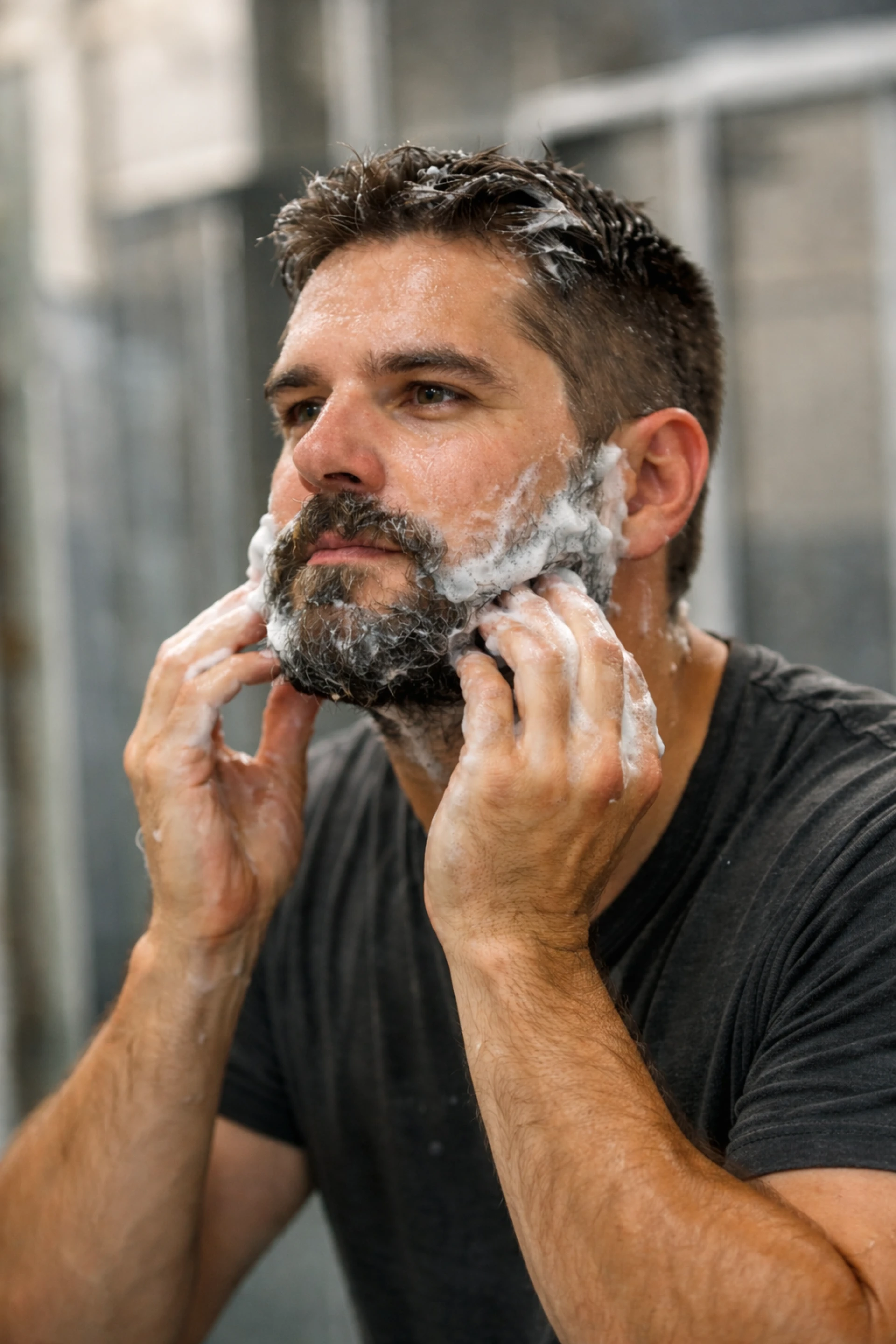
How you wash your beard matters as much as the product you use. Start with lukewarm water to avoid overstimulating oil production. Massage the shampoo gently into your beard, reaching the skin beneath, then rinse thoroughly. Avoid using hot water, which can dry out the skin and trigger excess sebum. Washing two to three times per week is typically enough for oily beards, depending on your individual skin type.
Maintaining Natural Oil Balance
While removing excess oil is important, over-washing can harm your beard and skin. Maintaining a balance ensures that your facial hair remains soft, hydrated, and healthy. Using a beard-specific shampoo in moderation, paired with proper hydration, keeps the skin’s natural oils in check and prevents greasiness without over-drying.
Styling Tips to Manage Greasiness
Proper styling also plays a role in managing oily beards. Comb or brush your beard regularly to distribute natural oils evenly and prevent clumping. Lightweight beard oils or leave-in conditioners can add nourishment without contributing to excessive greasiness. Avoid heavy creams or waxes that may exacerbate the oily appearance.
Long-Term Benefits of Regular Beard Care
Consistent care improves both the look and health of your beard over time. Reduced oiliness leads to softer, cleaner facial hair and minimizes the risk of clogged pores and irritation underneath. A regular routine using a gentle, suitable beard specific shampoo supports healthy growth, improves texture, and helps your beard stay manageable in the long run.
Conclusion
Managing an oily beard requires a combination of the right products, proper washing techniques, and consistent grooming habits. Gentle cleansing with a high-quality beard specific shampoo keeps your facial hair fresh and healthy while maintaining the natural oil balance. With the right care routine, your beard can stay soft, well-groomed, and comfortable every day.


























Sign in to leave a comment.