
The beauty industry offers a wealth of opportunities for those interested in pursuing a career focused on skincare, wellness, and personal care. For individuals looking to enter this dynamic field, enrolling in beauty therapist courses with certification is a crucial step. Certified courses provide comprehensive training that combines theoretical knowledge with practical skills. This guide explores everything beginners and aspiring beauty therapists need to know about these courses, their benefits, and how certification can impact career prospects.
What Are Beauty Therapist Courses?
Beauty therapist courses are educational programs designed to teach the fundamentals of beauty treatments, skin care, and client care. These courses cover a wide range of topics, equipping learners with the necessary skills to provide professional beauty services.
Curriculum Overview
Typically, these courses include modules on skincare treatments, body therapies, makeup application, waxing, and nail care. In addition to practical techniques, students learn about hygiene standards, client consultation, and product knowledge. This well rounded curriculum ensures that graduates are ready to meet client needs effectively.
Different Levels of Courses
Beauty therapist courses are available at various levels, from beginner to advanced. Beginners gain foundational skills, while more experienced learners can pursue specialized training. The level chosen depends on prior experience and career goals, allowing for flexibility in learning paths.
Importance of Certification in Beauty Therapy
Certification acts as an official recognition of the skills and knowledge acquired through training. It holds significant value in the beauty industry and plays a key role in career advancement.
Industry Recognition
Certified beauty therapists are often preferred by employers and clients because certification verifies competency and professionalism. It demonstrates a commitment to quality and adherence to industry standards, which builds trust and credibility.
Legal and Safety Compliance
Many regions require beauty therapists to hold certification to practice legally. Certified courses emphasize safety protocols, hygiene practices, and ethical standards, ensuring that therapists deliver treatments safely and responsibly.
Key Components of Beauty Therapist Courses with Certification
Courses that offer certification are structured to cover all essential aspects of beauty therapy, ensuring comprehensive learning and skill development.
Hands On Training
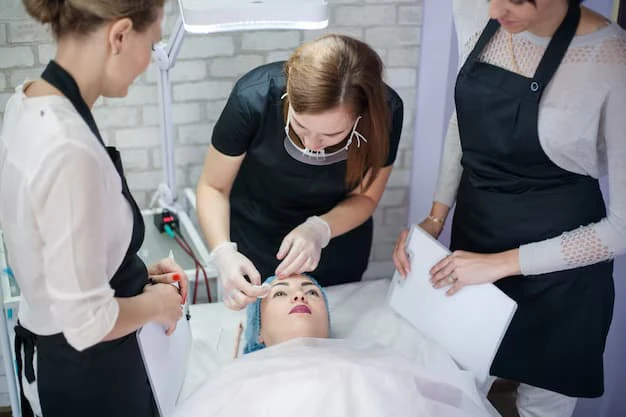
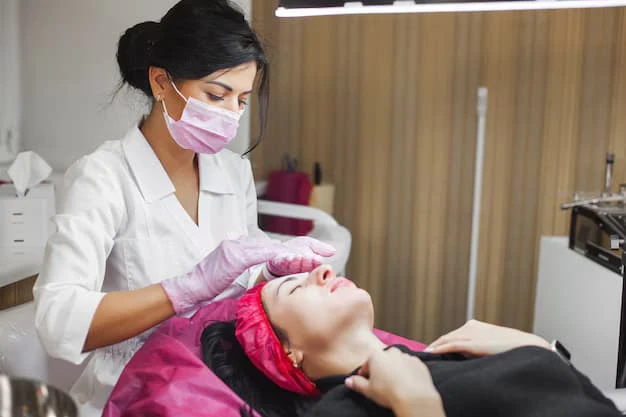
Practical experience is a cornerstone of certified courses. Students perform treatments on clients or models under supervision, which helps them develop confidence and refine their techniques. Hands on training bridges the gap between theory and real world application.
Theory and Knowledge
Understanding the science behind beauty treatments is equally important. Certified courses include theoretical lessons on anatomy, skin conditions, and the effects of various products and procedures. This knowledge allows therapists to customize treatments for individual clients safely.
Assessment and Evaluation
To earn certification, students must successfully complete assessments that evaluate both their practical skills and theoretical understanding. These assessments ensure that graduates meet the required standards to provide professional services.
Benefits of Enrolling in Certified Beauty Therapist Courses
Pursuing certification offers multiple advantages that enhance both personal growth and career opportunities.
Increased Employability
Certification improves job prospects by demonstrating verified expertise. Employers are more likely to hire candidates who have completed recognized training programs, as this reduces training time and ensures quality service delivery.
Confidence in Skills
Certification boosts confidence by validating one’s abilities. Therapists can approach their work knowing they have been thoroughly trained and assessed. This confidence translates into better client interactions and service outcomes.
Career Advancement
Certified therapists have access to a wider range of job roles and higher salary potential. Many career advancement opportunities require specialized certifications, making initial certification an essential foundation for growth.
Choosing the Right Beauty Therapist Course
Selecting the most suitable course is critical to gaining meaningful knowledge and valuable certification. Various factors should be considered before enrolling.
Accreditation and Reputation
It is important to choose courses offered by accredited institutions or organizations recognized within the beauty industry. Accreditation ensures the course meets established standards and that the certification will be widely accepted.
Course Content and Duration
Prospective students should review the course syllabus to ensure it covers topics relevant to their career goals. Course duration varies, so choosing a program that fits one’s schedule and learning pace is essential.
Trainer Expertise and Support
Experienced trainers who provide ongoing support and constructive feedback enhance the learning experience. Quality instruction makes a significant difference in skill acquisition and confidence building.
Career Paths After Certification
Certified beauty therapists can pursue various career options, each offering unique opportunities for growth and specialization.
Working in Salons and Spas
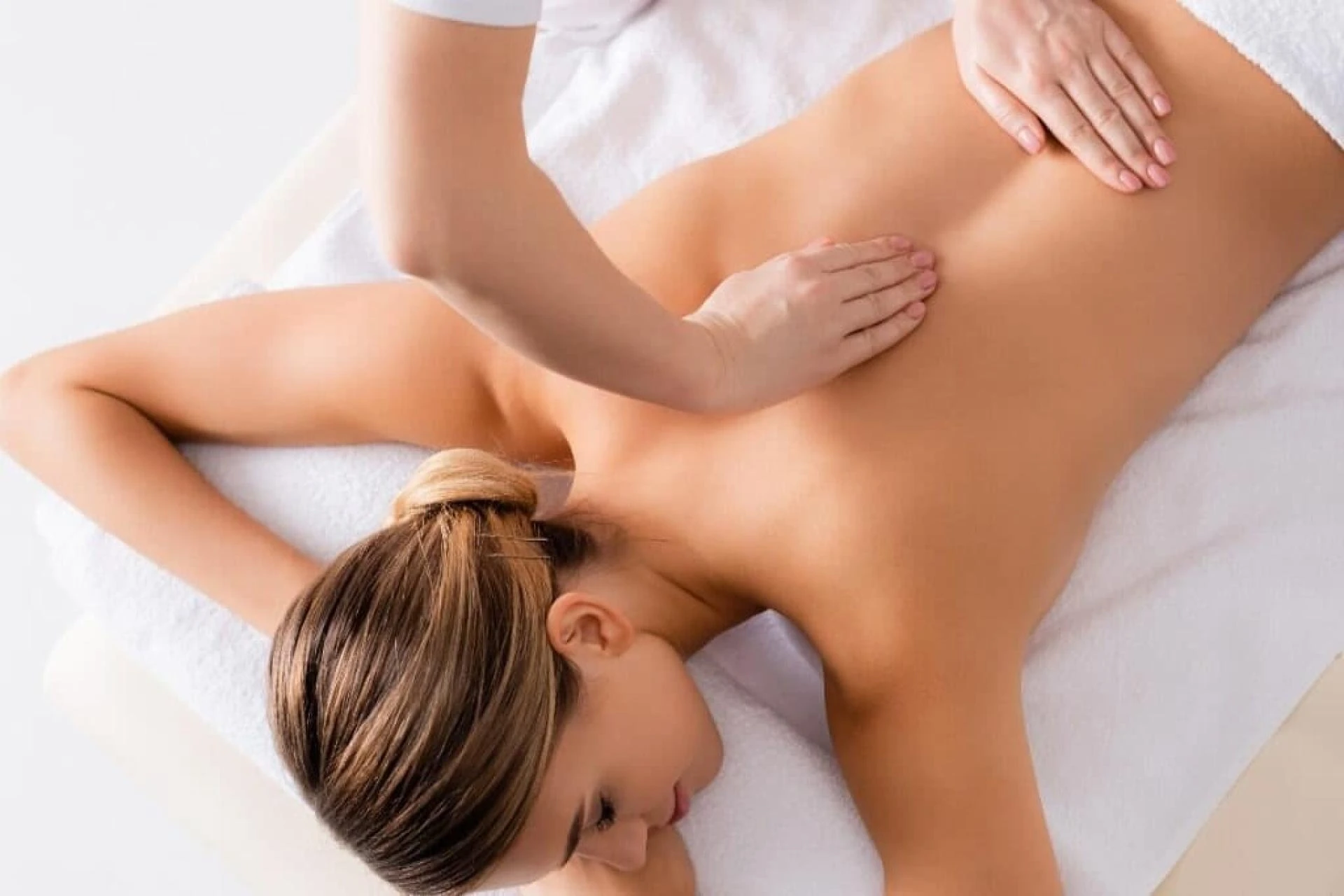
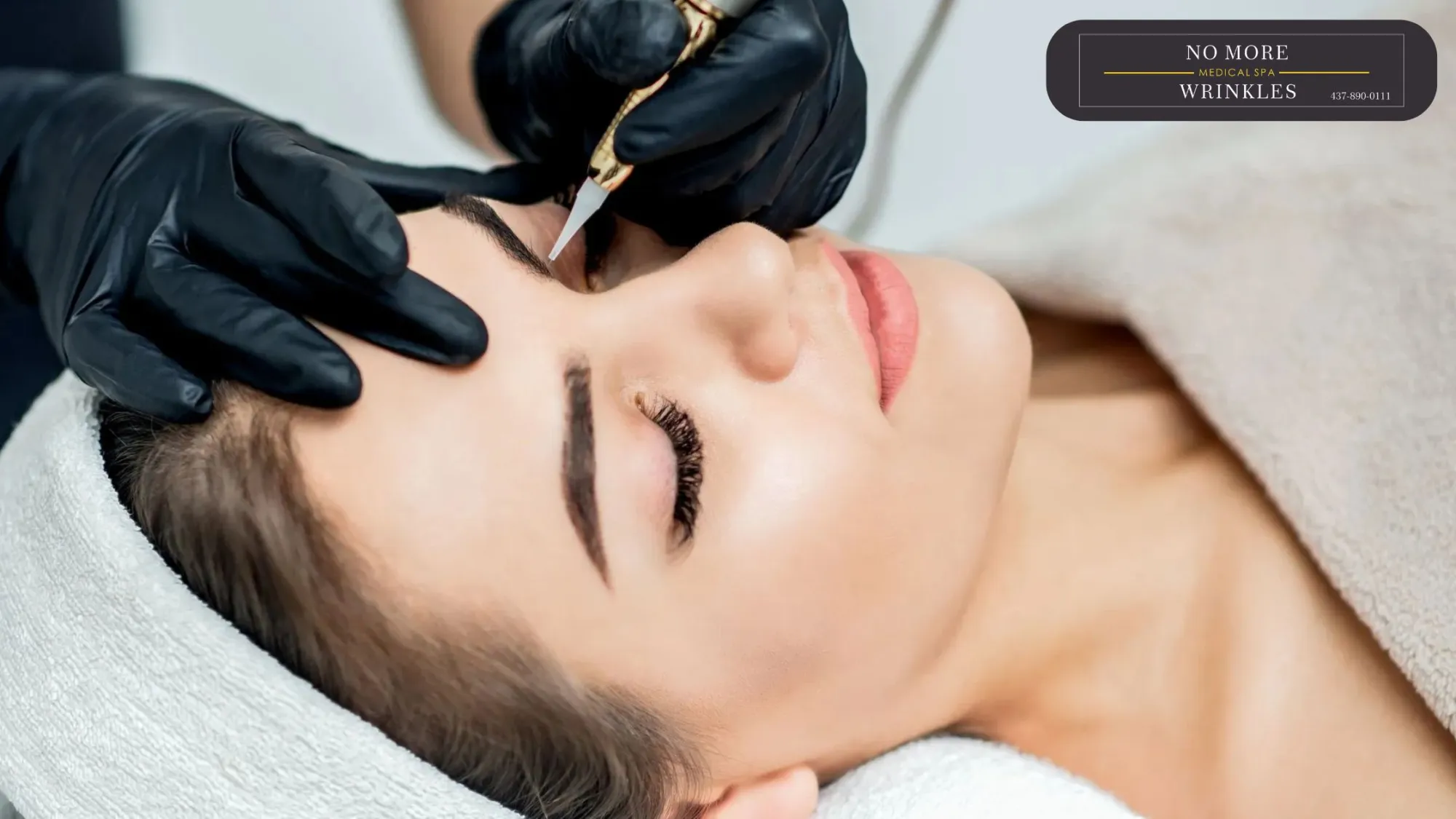
Many beauty therapists find employment in salons and spas, offering treatments such as facials, massages, and waxing. These settings provide opportunities to develop client relationships and gain hands on experience.
Mobile Beauty Therapy
Some certified therapists choose to offer mobile services, bringing treatments directly to clients’ homes. This career path offers flexibility and the ability to build a personalized client base.
Specializing in Advanced Treatments
With foundational certification, therapists can pursue specialized courses in areas such as makeup artistry, laser treatments, or medical aesthetics. Specialization can increase earning potential and open doors to niche markets.
Tips for Success in Beauty Therapy Training
Succeeding in beauty therapy courses requires dedication and an eagerness to learn. The following strategies help maximize the benefits of training.
Practice Regularly
Consistent practice helps improve technique and build muscle memory. Practicing outside of class hours solidifies skills and prepares learners for real world scenarios.
Seek Feedback and Improve
Actively seeking feedback from trainers and peers encourages growth. Constructive criticism highlights areas for improvement and helps learners refine their approach.
Stay Updated with Industry Trends
The beauty industry evolves rapidly with new products and technologies. Keeping abreast of trends ensures therapists remain relevant and can offer innovative treatments.
The Role of Soft Skills in Beauty Therapy
While technical skills are essential, soft skills significantly contribute to success in the beauty industry.
Communication Skills
Effective communication is vital for understanding client needs and explaining treatment procedures clearly. Building rapport creates a comfortable environment for clients, leading to better satisfaction.
Professionalism and Ethics
Maintaining professionalism through punctuality, reliability, and ethical behavior fosters trust. Adhering to client confidentiality and respecting boundaries are also important aspects of a therapist’s role.
Time Management
Managing appointments and treatment durations efficiently ensures a smooth workflow. Good time management enhances client experience and maximizes productivity.
Conclusion
Beauty therapist courses with certification provide a solid foundation for anyone aspiring to enter the beauty industry. These programs combine theoretical knowledge, practical skills, and professional standards to prepare learners for successful careers. Certification not only validates expertise but also enhances employability and career advancement. By selecting the right course and committing to continuous learning, individuals can unlock a rewarding future in beauty therapy. For those ready to embark on this journey, Este Training Academy offers comprehensive courses designed to guide learners toward professional success.















Sign in to leave a comment.