
Bed bugs are pesky little creatures that feed on human blood and leave itchy bites all over the body. They are notoriously difficult to get rid of, and traditional pest control methods often involve the use of harmful chemicals that can be dangerous for both humans and the environment.
Fortunately, there are a variety of eco-friendly approaches to bed bug removal and control that can help you eliminate these pests without harming the planet or risking your health. In this guide, we’ll explore some of the best eco-friendly approaches to bed bug removal and control.
Understanding Bed Bugs
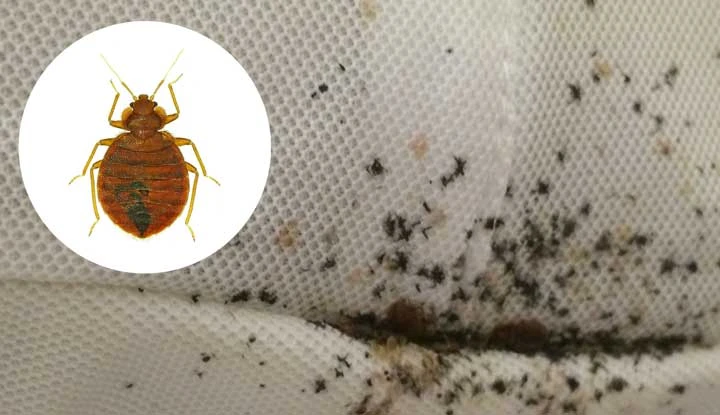
Bed bugs are small, reddish-brown insects that feed on the blood of humans and other warm-blooded animals. They are typically found in areas where people sleep, such as beds, couches, and chairs, and they can be extremely difficult to detect because they are so small and often hide during the day.
Bed bugs are expert hitchhikers and can easily travel from one location to another by hitching a ride on clothing, luggage, or other items. Once they have infested a home, they can be very difficult to get rid of because they reproduce quickly and are resistant to many traditional pest control methods.
Bed Bug Interceptors - Eco-Friendly Approaches to Bed Bug Removal and Control
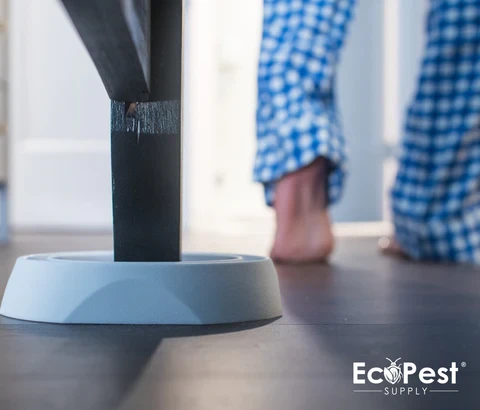
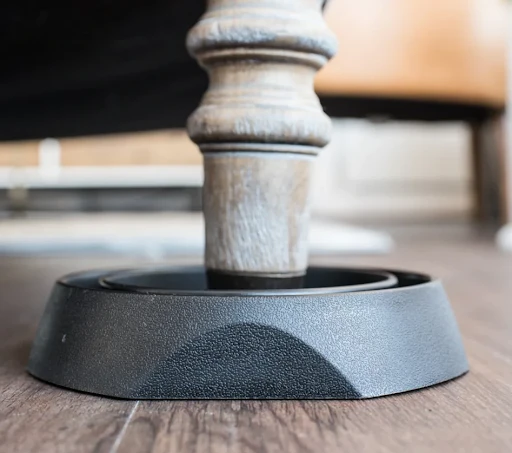
Bed bug interceptors are an eco-friendly approach to bed bug removal and control. These traps are designed to prevent bed bugs from accessing your bed or other furniture by creating a barrier that bed bugs cannot climb over.
To use bed bug interceptors, simply place them under the legs of your bed or other furniture. The textured exterior walls make it easy for bed bugs to climb in, but the slippery interior walls prevent them from climbing out.
One of the benefits of bed bug interceptors is that they are a proactive approach to bed bug control. By preventing bed bugs from accessing your bed or other furniture, you can reduce the likelihood of an infestation occurring in the first place.
However, despite their effectiveness, there are cases where bed bug interceptors may not work as expected. If you’re struggling with bed bug interceptors not working, there are a few things you can do to improve their performance and increase your chances of eliminating bed bugs from your home.
Check Your Placement
One of the most common reasons why bed bug interceptors may not work is improper placement. Interceptors should be placed under the legs of beds and other furniture in areas where bed bugs are likely to travel, such as near walls or baseboards.
Make sure that the interceptors are level and that they are not touching the walls or any other objects. If the interceptors are not level, bed bugs may be able to crawl out of them, defeating their purpose.
Use the Right Type of Interceptor
There are different types of bed bug interceptors available, and some may work better than others depending on your specific situation. For example, some interceptors are designed to be used on smooth floors, while others are designed for use on carpeted floors.
If you’re using an interceptor that is not working, try switching to a different type to see if that improves their performance.
Keep Your Home Clean
Bed bugs are attracted to clutter and dirty environments, so keeping your home clean can help to reduce the likelihood of an infestation. Vacuum your floors and furniture regularly, and be sure to clean up any spills or messes promptly.
Reducing clutter in your home can also make it easier to detect bed bugs and eliminate them before they have a chance to infest your home.
Try a Different Approach
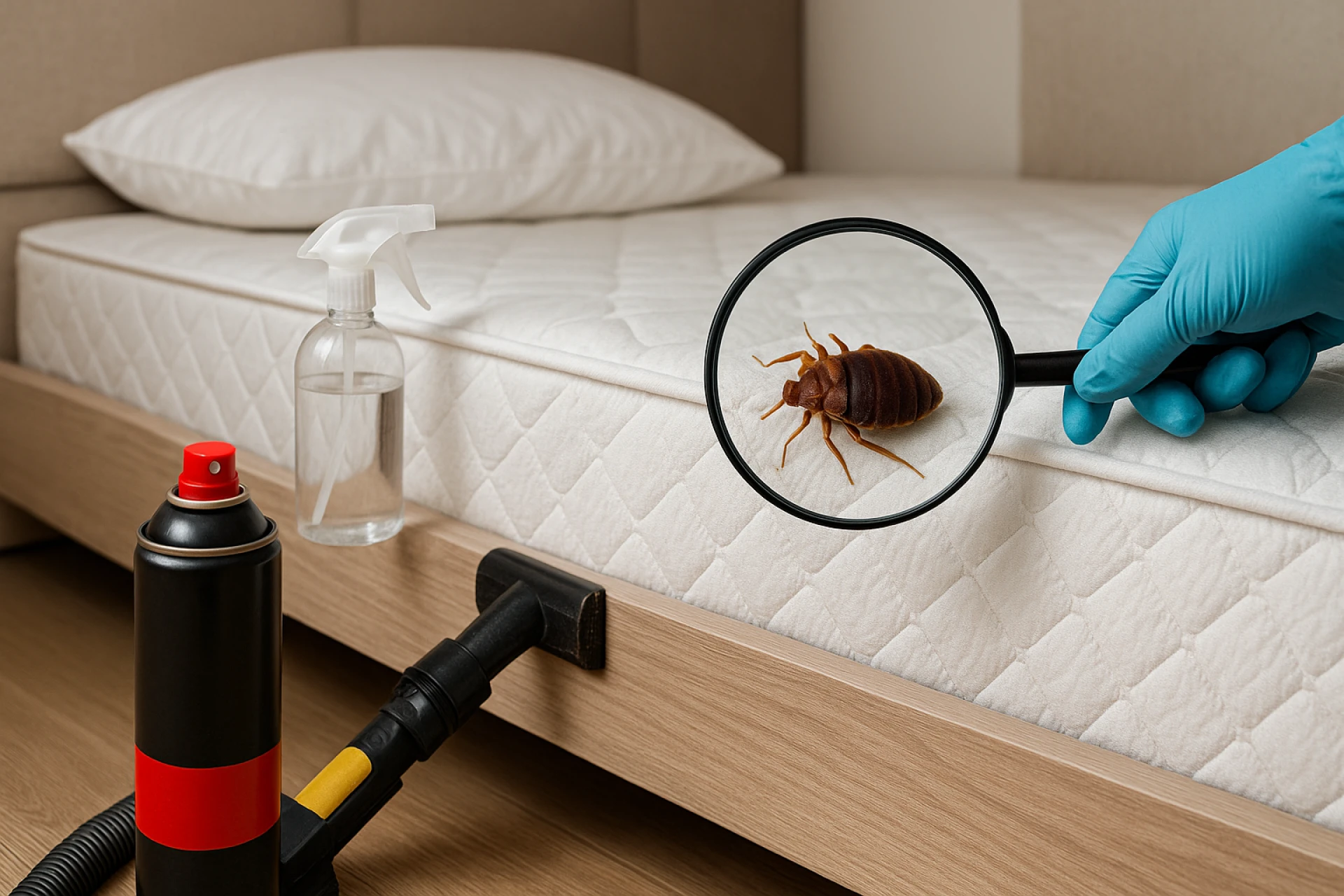
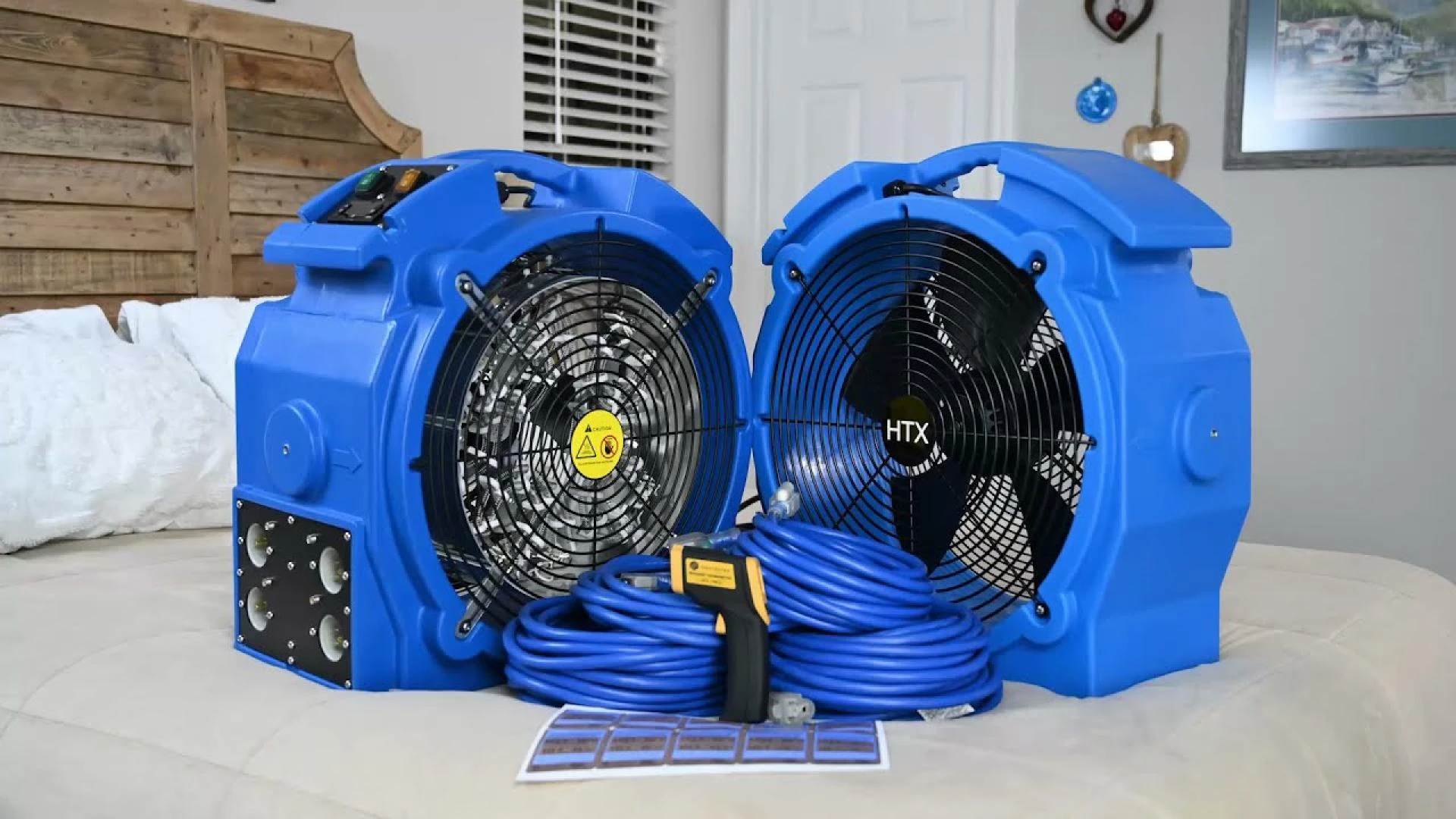
If bed bug interceptors are not working for you, it may be time to try a different approach. There are many eco-friendly methods of bed bug control available, such as diatomaceous earth, essential oils, and heat treatment.
These methods can be effective at eliminating bed bugs without the use of harmful chemicals, and may be a better option for those who are struggling with bed bug interceptors not working.
The Bottom Line
Bed bugs can be a frustrating and difficult problem to deal with, but with the right eco-friendly approaches to bed bug removal and control, you can eliminate them without harming the planet or risking your health.
Bed bug interceptors are a great proactive approach to preventing infestations, but it's important to ensure proper placement and use the right type of interceptor. Keeping your home clean and trying different eco-friendly methods can also be effective. Remember, eco-friendly bed bug control is possible, and with persistence, you can successfully eliminate these pesky pests.






Sign in to leave a comment.