Many new beekeepers assume that thick jackets, hoodies, jeans, or general workwear are enough to protect them from bee stings. At first, this assumption feels logical—after all, multiple layers seem tough and protective. However, once you start working closely with active hives, the reality becomes clear very quickly. There is a significant difference between a beekeeper suit and regular protective clothing, and that difference can impact your safety, confidence, and long-term success in beekeeping.
A beekeeper suit is not just clothing—it is specialized safety equipment designed specifically for working with bees. This is why professional and experienced beekeepers rely on proper gear from trusted brands like bebees, rather than experimenting with everyday clothing. Let’s take a closer look at what truly separates a beekeeper suit from regular protective clothing.
What Is a Beekeeper Suit?
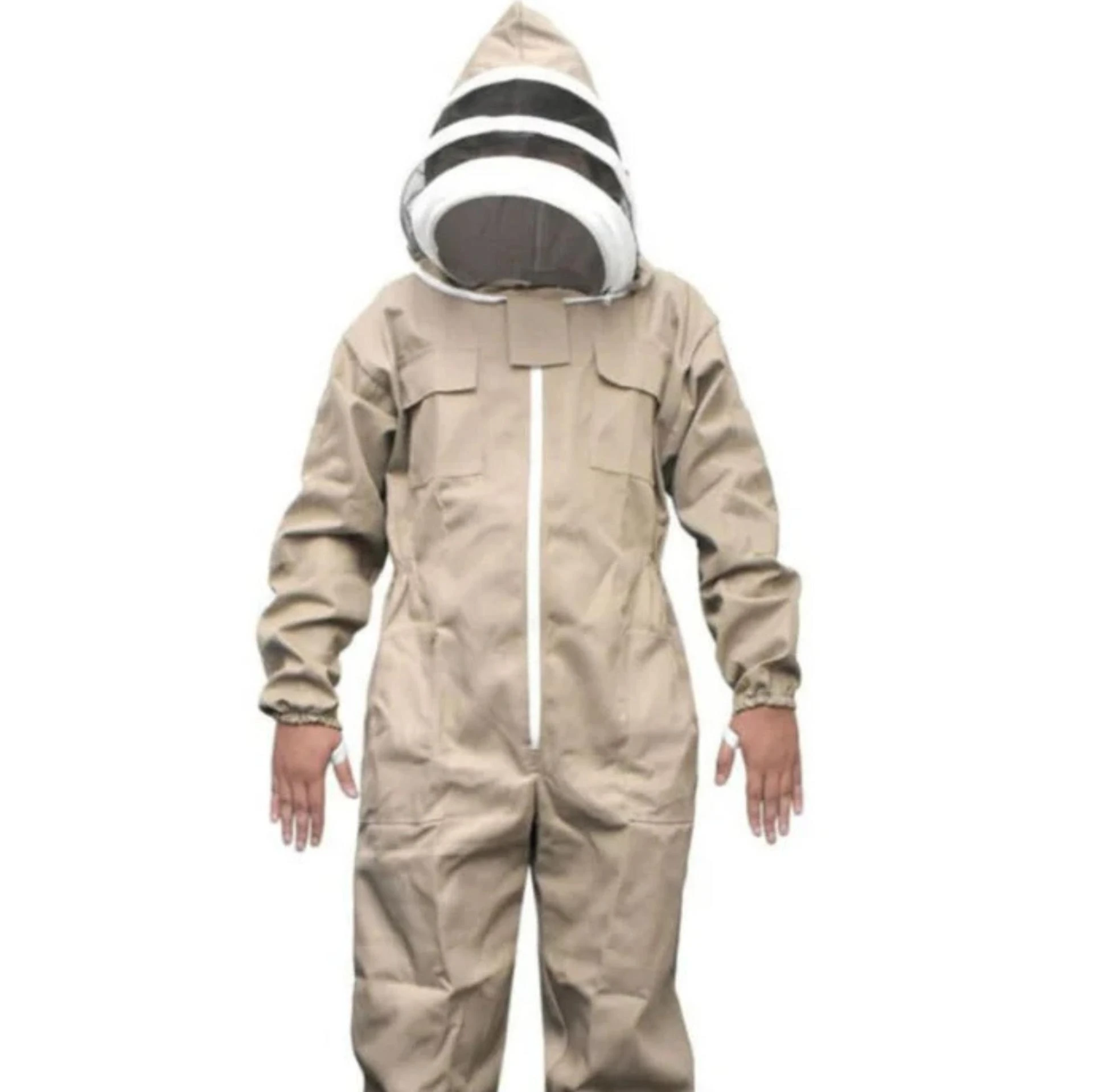
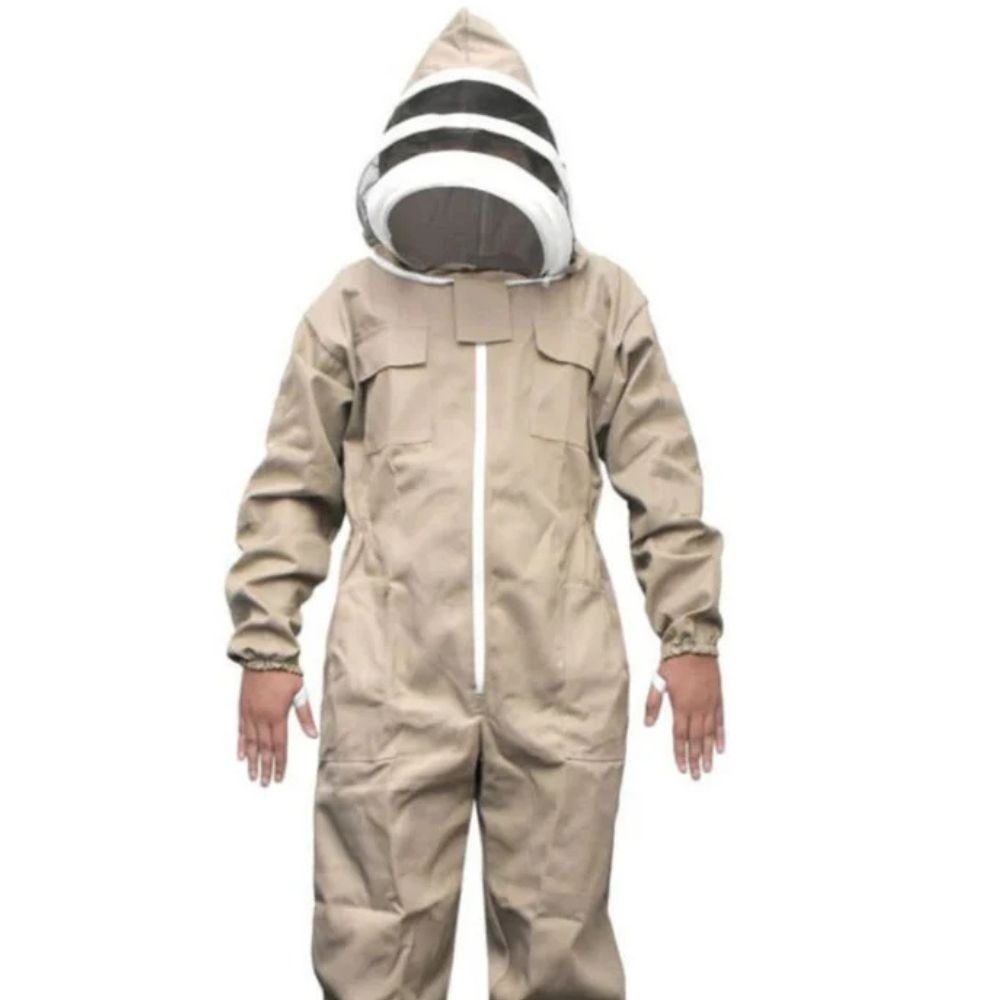
A beekeeper suit is a purpose-built protective outfit designed to shield the wearer from bee stings while allowing comfortable movement during hive inspections. Unlike everyday clothing, it is engineered with specific materials, stitching, and design features to address the unique risks of beekeeping.
Key features of a beekeeper suit include:
- Sting-resistant fabric
- Full-body coverage
- Integrated veil for face and neck protection
- Secure closures at wrists, ankles, and zippers
- Breathable construction for heat control
Each element exists for a reason: to reduce stings, prevent bees from entering the suit, and keep the beekeeper calm and safe.
What Counts as Regular Protective Clothing?
Regular protective clothing refers to items people already own and use as makeshift protection, such as:
- Thick hoodies or jackets
- Denim jeans
- Leather or work gloves
- Scarves or face coverings
- Overalls or raincoats
While these items may feel protective, they are not designed to stop bee stings or prevent bees from crawling inside. They rely solely on fabric thickness, which is unreliable when dealing with determined insects like bees.
The Real Differences That Matter
1. Sting Protection
Beekeeper Suit:
Beekeeper suits use tightly woven fabrics or layered ventilated mesh systems that prevent a bee’s stinger from reaching the skin. The suit is structured to keep material slightly away from the body, reducing sting penetration.
Regular Protective Clothing:
Bees can sting through denim, hoodies, and even some leather when the fabric presses against the skin. Once stung, the clothing offers no additional defense.
Difference: Beekeeper suits are designed to stop stings; regular clothing only hopes to.
2. Coverage and Sealing
Beekeeper Suit:
- Built-in veil protects face and neck
- Elastic or fitted cuffs at wrists and ankles
- Overlapping zipper flaps block entry points
- Full-body coverage without gaps
Regular Protective Clothing:
- No integrated face or neck protection
- Loose collars and sleeves create openings
- Bees can crawl inside unnoticed
Difference: A beekeeper suit blocks entry points; regular clothing creates them.
3. Bee Behavior and Safety
Bees react to pressure, heat, and trapped movement.
Beekeeper Suit:
Designed to minimize fabric contact with skin, reducing the chance of bees being crushed or pinned, which helps keep colonies calmer.
Regular Protective Clothing:
Loose or tight clothing can trap bees, increasing agitation and defensive behavior.
Difference: Proper suits reduce aggression; regular clothing can trigger it.
4. Heat and Ventilation
Beekeeper Suit:
Modern beekeeper suits prioritize airflow, especially ventilated designs that allow heat to escape while maintaining sting protection.
Regular Protective Clothing:
Layering thick clothes traps heat, leading to overheating, sweating, fatigue, and dehydration—conditions that increase the risk of mistakes.
Difference: Beekeeper suits balance protection and comfort; regular clothing causes heat stress.
5. Mobility and Comfort
Beekeeping requires controlled, steady movement.
Beekeeper Suit:
Designed for flexibility, allowing easy lifting, bending, and tool handling.
Regular Protective Clothing:
Bulky layers restrict movement, making hive work awkward and increasing the risk of dropped frames or sudden movements.
Difference: Beekeeper suits support precision; regular clothing limits it.
6. Durability and Longevity
Beekeeper Suit:
- Reinforced seams
- UV-resistant materials
- Designed for repeated washing and outdoor use
Regular Protective Clothing:
- Tears easily
- Degrades under sun exposure
- Loses effectiveness quickly
Difference: Beekeeper suits are long-term investments; regular clothing wears out fast.
Safety Goes Beyond Avoiding Stings
Inadequate protection can cause:
- Panic reactions
- Sudden movements near hives
- Increased colony aggression
- Dropped equipment
- Higher sting frequency
A beekeeper suit provides psychological comfort as well. When you feel protected, you work calmly and confidently, which leads to better outcomes for both you and your bees.
Cost: Cheap Option vs Smart Choice
Many beginners avoid buying a beekeeper suit to save money. However, poor protection can lead to:
- Medical costs from stings
- Ruined clothing
- Reduced productivity
- Fear that causes people to quit beekeeping
In the long run, investing in a proper beekeeper suit is usually more economical than relying on makeshift solutions.
When Is Regular Clothing Ever Enough?
Regular protective clothing may only be acceptable when:
- Observing hives from a distance
- Handling empty equipment
- Performing brief tasks away from active colonies
Once a hive is opened, a beekeeper suit becomes essential.
Final Verdict: What’s the Real Difference?
The difference between a beekeeper suit and regular protective clothing is clear and significant.
A beekeeper suit is:
- Purpose-built
- Tested for safety
- Designed for comfort and durability
Regular protective clothing is:
- Improvised
- Inconsistent
- Risky
For anyone serious about beekeeping, proper protection is not optional. That’s why experienced beekeepers choose reliable gear from brands like bebees, where safety, comfort, and long-term performance come first.


















Sign in to leave a comment.